
(This article by Col. Teresa Otto, USAR (Ret), originally appeared in the May 2026 issue of Military Officer, a magazine available to all MOAA Premium and Life members who can log in to access our digital version and archive. Basic members can save on a membership upgrade and access the magazine.)
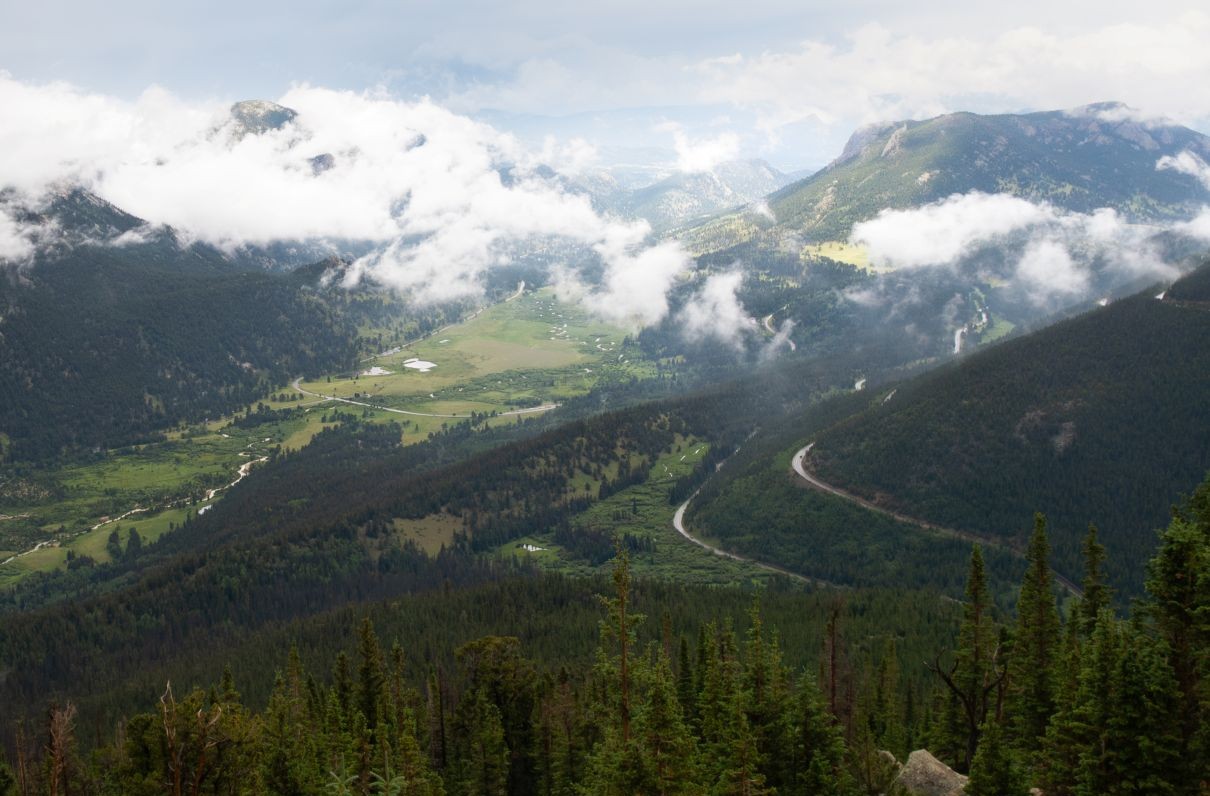
Established in 1915, Rocky Mountain National Park captures some of the finest real estate along the Continental Divide. You’ll find meadows carpeted with wildflowers, forests with idyllic lakes, vast tundra, and 118 named peaks that top 10,000 feet.
Whether you explore by car, on foot, or during outdoor activities, this national park is, in a word, majestic.
The High Roads
Two legendary roads allow visitors to explore by car. Trail Ridge Road, recognized as both an All-American Road and a Scenic Byway, is the highest continuous paved road in the country. It connects the gateway towns of Estes Park in the east and Grand Lake in the west.
The road’s hairpin curves begin in the valley and climb above the tree line. Scenic overlooks reveal jaw-dropping views of mountain peaks piercing the clouds. Here, heaven and earth meet.
Along the way, look for bighorn sheep at the aptly named Sheep Lakes and for elk grazing in both the tundra and the west side’s Kawuneeche Valley. Midway, the Alpine Visitor Center is a great place to stretch your legs, admire the view, and grab lunch.
[RELATED: Save on Travel With MOAA Vacations]
Old Fall River Road, the park’s original thoroughfare, is equally impressive. This one-way gravel road branches off Trail Ridge Road in the east and ends at the Alpine Visitor Center. It invites you to slow down and explore some of the park’s attractions. Horseshoe Falls, Chasm Falls, and Willow Park — a lush meadow that’s prime moose habitat — are short walks from the parking spots. Above the tree line, Forest Canyon Overlook offers a panorama of the Continental Divide and a front-row seat to the antics of yellow-bellied marmots.
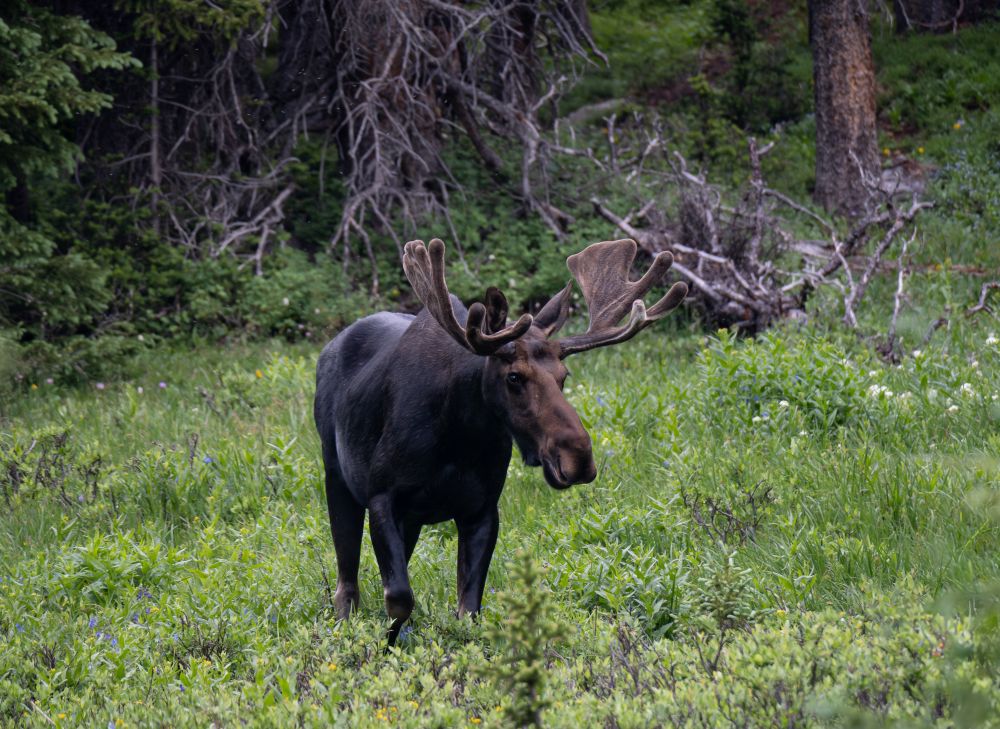
Visitors may be greeted by a bull moose in Willow Park.
Breathtaking Trails
There are more than 350 miles’ worth of hiking trails, from easy walks to multi-mile treks. Popular hikes include the fully accessible walkways around Sprague and Bear lakes. A trail continues from Bear Lake to a string of jewels — Nymph Lake, Dream Lake, and Emerald Lake.
For a trek that literally takes your breath away, hike the Ute Trail. Beginning and ending at the Alpine Visitor Center, the elevation never dips below 10,759 feet and is as much as 11,796 feet. The air is thin, but the views are worth it.
[RELATED: More Travel News From MOAA]
Recreation in the Great Outdoors
You’ll find a variety of recreational activities at the park, including horseback riding and mountain biking on subalpine trails.
Kayaking is an option in the alpine lakes; so is fishing, but check the rules surrounding this sport beforehand. Local guides offer fly-fishing classes for beginners.
If mountaineering tops your list, climb Longs Peak, the park’s tallest mountain at 14,259 feet. And for those who enjoy camping under a blanket of stars, you’ll see the majesty above this protected ecosystem.
Col. Teresa Otto, USAR (Ret), is a writer based in Texas.
Military Officer Magazine
Discover more interesting stories in MOAA’s award-winning magazine.