
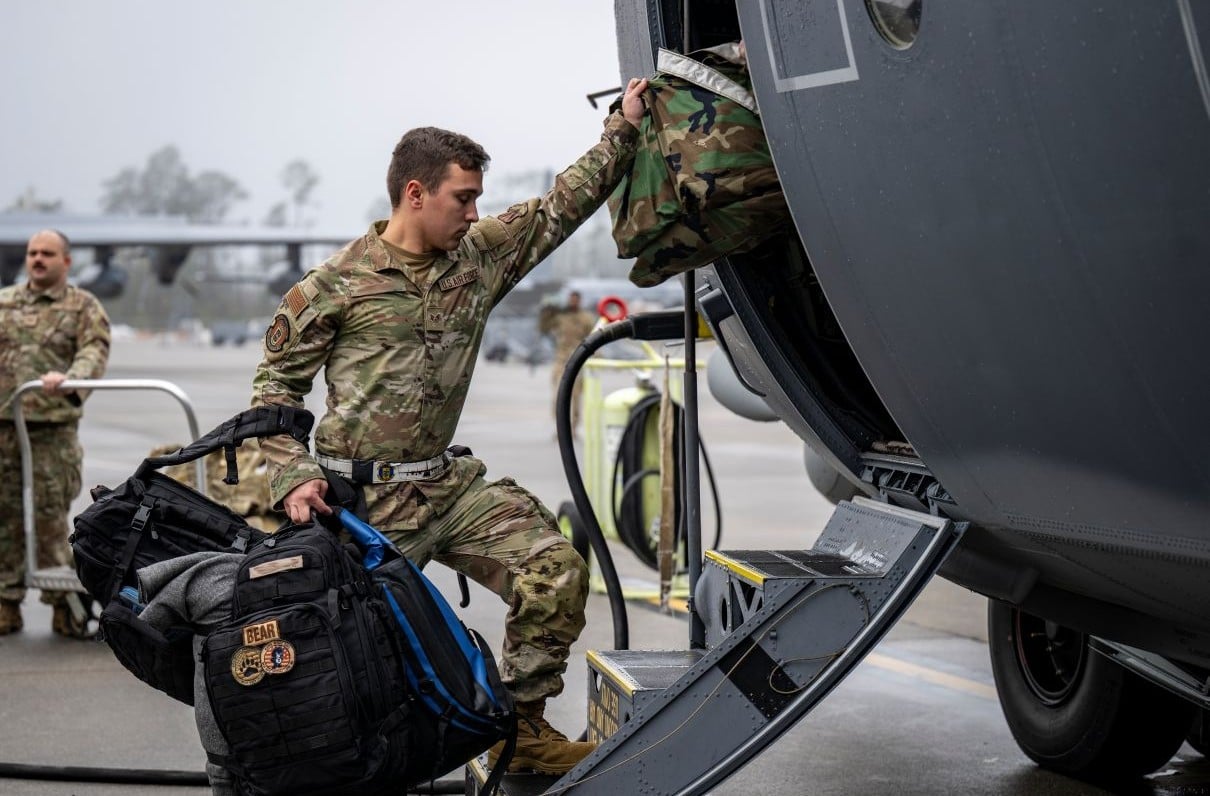
Staying mission-focused during a deployment means making solid plans for your family, and your finances, during your absence.
No two deployments are alike, and no two financial situations will require the same preparations. But these eight tips should help you begin the process:
1. Lock Down the Basics
Locate your important documents before you need them: A power of attorney may be helpful, but not if you lost track of the paperwork a few moves ago. This Military OneSource checklist goes over some other must-haves, to include:
- Recent bank, credit card, tax, and investment statements.
- Birth, marriage, and/or divorce certificates.
- Health insurance and medical history.
- Mortgage and home insurance documents.
- Auto loan and title paperwork.
You’ll also want to ensure financial passwords (bank accounts, credit cards, utilities, etc.) are in a centralized location and available to those who might need them.
[RELATED: MOAA Members Can Get Organized for Less With Everplans]
2. Build Your Budget Toolkit
No matter how well you track your income and spending, there’s always room to improve – and the run-up to a deployment is a good time to make some changes. Consider:
- Setting financial goals to reduce debt or increase savings during your deployment.
- Streamlining day-to-day financial duties by setting up autopay or consolidating credit cards, and establishing paperless billing.
- Discussing both spending and saving priorities with all family members to set expectations.
[RELATED: More Financial Resources From MOAA]
3. Plan for Special Pays
Deployed servicemembers may receive hostile fire pay, imminent danger pay, or a range of other special compensation connected to their mission. Receiving this special pay can also provide access to the Savings Deposit Program. Servicemembers may also secure tax-exempt compensation depending on where they’re serving, and they may have special Thrift Savings Plan (TSP) considerations.
All of these factors should be incorporated into existing financial needs and strategies – some servicemembers may plan to use the money to pay down debt, for instance, while others could maximize TSP contributions to build (or rebuild) a retirement nest egg.
Most servicemembers will need support in crafting these kinds of financial plans, so …
4. Seek Personalized Guidance
If you work with a financial professional, be sure to make them aware of your deployment schedule (or concerns) and get their input on possible changes.
Your nearest installation offers free access to accredited personal financial counselors through family readiness centers; you can find out more about these programs via this directory. Not near an installation or want to meet virtually? Access a financial counselor through Military OneSource.
As with anything deployment-related, the earlier you can arrange these meetings (especially involving installation personnel), the better.
5. Strategize Against Scams
A deployed servicemember means more stress on the homefront, and that could increase vulnerability to fraud. Go over scam prevention protocol and consider placing an active duty fraud alert on your credit report.
More deployments could trigger a rise in military-specific scams – be sure your loved ones are wary of common themes, to include:
- Fake military charities preying on the generosity of service-connected families.
- Fake “credit monitoring” agencies who promise to monitor a deployed servicemember’s accounts for suspicious activity.
- Scammers posing as military, defense, VA, or other government officials, which could range from fraudulent websites to phishing email attempts.
6. Take SCRA 101
The Servicemembers Civil Relief Act (SCRA) offers multiple financial protections for those in uniform, ranging from loan limits to eviction prevention. Some lesser-known provisions can apply before or during deployments, including provisions allowing for the termination of residential or automobile leases.
Unsure whether these protections could apply to your financial (or personal) situation? Military OneSource has a full SCRA rundown, and this MOAA.org piece includes SCRA details and links for more information.
7. Make the Uncomfortable Updates
This includes:
- Establish a family care plan, to include contact information and emergency guidance.
- Confirm all contact information across service databases, especially the ID Card Office.
- Check to ensure your record of emergency data is correct (DD Form 93) with your personnel center.
- Ensure your will is updated, and that those who may need access to it (or other planning documents) remain in the loop.
- Double-check any life insurance policies to ensure coverage is adequate and beneficiaries are up-to-date.
8. Don’t Do It Alone
Beyond support from your unit and Military OneSource, you may also find useful information via:
- Health.mil: Preparing for Deployment
- Military.com: Deployment Checklists
- USAA: Deployment Resources
- Everplans: Military Deployment Checklist

Resources for Currently Serving Officers
MOAA can help you succeed in your military career and beyond.