
Long-term efforts to end an unjust pay offset faced by 54,000 combat-injured veterans have made major strides both inside and outside the halls of Congress, a sign of the effectiveness of grassroots efforts championed by MOAA and other advocacy groups.
The Major Richard Star Act not only continues to pick up cosponsors – six in the House and one in the Senate in April alone, pushing the combined count above 400 – it has been front and center during key congressional hearings, in state capitals, and in local media. Here’s a look at some of the latest.
[TAKE ACTION: Ask Your Lawmakers to Support Combat-Injured Veterans]
On Capitol Hill
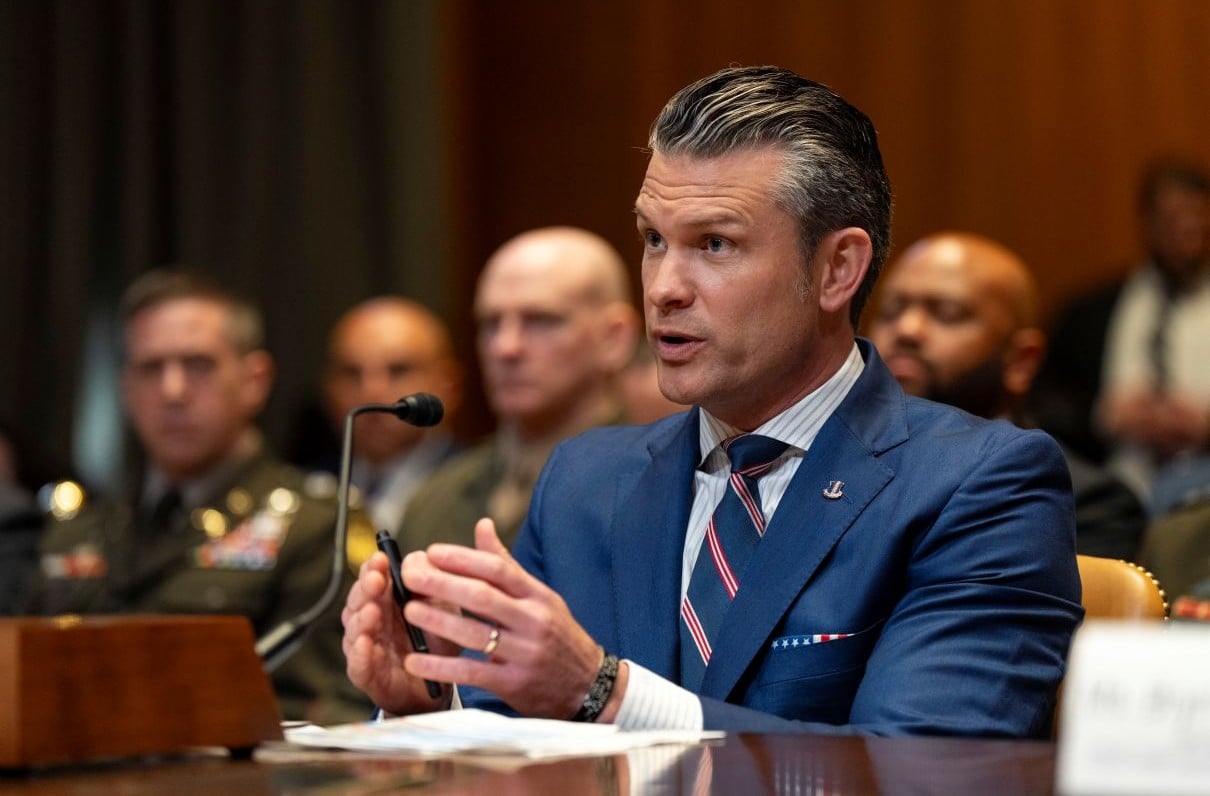
Secretary Pete Hegseth made clear where the Pentagon stands on the bill in April 30 testimony before the Senate Armed Services Committee.
“As I have said in the past to other organizations, we support the Richard Star Act,” Hegseth said during questioning from Sen. Richard Blumenthal (D-Conn.). Blumenthal, who introduced the Senate version of the bill, also put a spotlight on the legislation during a Senate Committee on Veterans’ Affairs hearing the day before, which featured testimony from MOAA and other veterans groups.
[FROM MILITARY TIMES: Hegseth Supports Bill Eliminating Offsets for Combat-Disabled Military Retirees]
“I am hopeful that we will move forward on the Major Richard Star Act,” Blumenthal said April 29. “I know that the chairman [Kansas Republican Sen. Jerry Moran] is sympathetic, and I believe we have an opportunity for a bipartisan step forward on an act that is about simple justice for combat-injured veterans, and I believe strongly that it is an overdue measure.”
At the State Level
More than a dozen states have introduced resolutions supporting the federal Major Richard Star Act, including four states – California, Iowa, Louisiana, and Pennsylvania – which have passed such a measure, according to the Star Act Alliance.
[MOAA ISSUE PAPER: The Major Richard Star Act]
These resolutions may not provide direct benefits to veterans, but they keep the issue at the forefront, showing lawmakers the importance of ending this “wounded veteran tax” in the minds of their local constituents.
As with all state-level legislation, MOAA members can add their voices not just by contacting their local representatives, but by reaching out to their local MOAA council or chapter to take part in advocacy efforts.
In the Media
MOAA’s Legislative Action Center allows letter-writers to customize their messages to lawmakers, giving them the opportunity to share how proposed legislation could affect them, their families, or their fellow servicemembers. However, some retirees have taken their message to a broader audience by reaching out to local news outlets.
“The Major Richard Star Act would change the lives of more than 1,500 veterans here in Washington,” wrote Army veteran Benjamin Heck in an April 18 opinion piece for The Seattle Times. “These are our friends and neighbors. Some cannot work at all, so this bill would be a lifeline. For others, the bill would bring a bit more financial stability and peace of mind.”
Heck’s combat injuries caused by a roadside bomb and small-arms fire in Iraq, led to his early retirement after 16 years of service.
“I loved being in the military and serving my country,” he wrote. “It gave me purpose, and I wouldn’t trade those experiences for anything.
“But you know what I can’t make peace with? The way my government is treating combat-injured veterans like me when we get home.”
Other veterans have made similar appeals in publications based in Arizona, Kentucky, South Carolina, and other states. These pieces, along with other types of media coverage, help ensure the fight to end this offset is not overshadowed by other legislative priorities.
What’s Next
MOAA will continue its work to rally congressional and administrative support in the coming months, and to work toward ending the offset via any available legislative channel, which could include adding the substance of the Major Richard Star Act to the annual National Defense Authorization Act or other must-pass legislation.
However, grassroots efforts must continue just the same. If you’ve already written to your legislator, do so again to ensure they do more than just add their name to the sponsorship list. Your efforts can help MOAA keep this issue front and center, moving the fight forward for a long-overdue end to this unfair pay practice.
When MOAA Speaks, Congress Listens
Learn more about MOAA’s key advocacy issues, and contact your elected officials using our messaging platform.