Whether you are updating a résumé, pitching an idea, or following up after an interview, your writing often speaks before you do. Writing to influence isn’t about fancy language – it’s about being clear, credible, and focused on your reader.
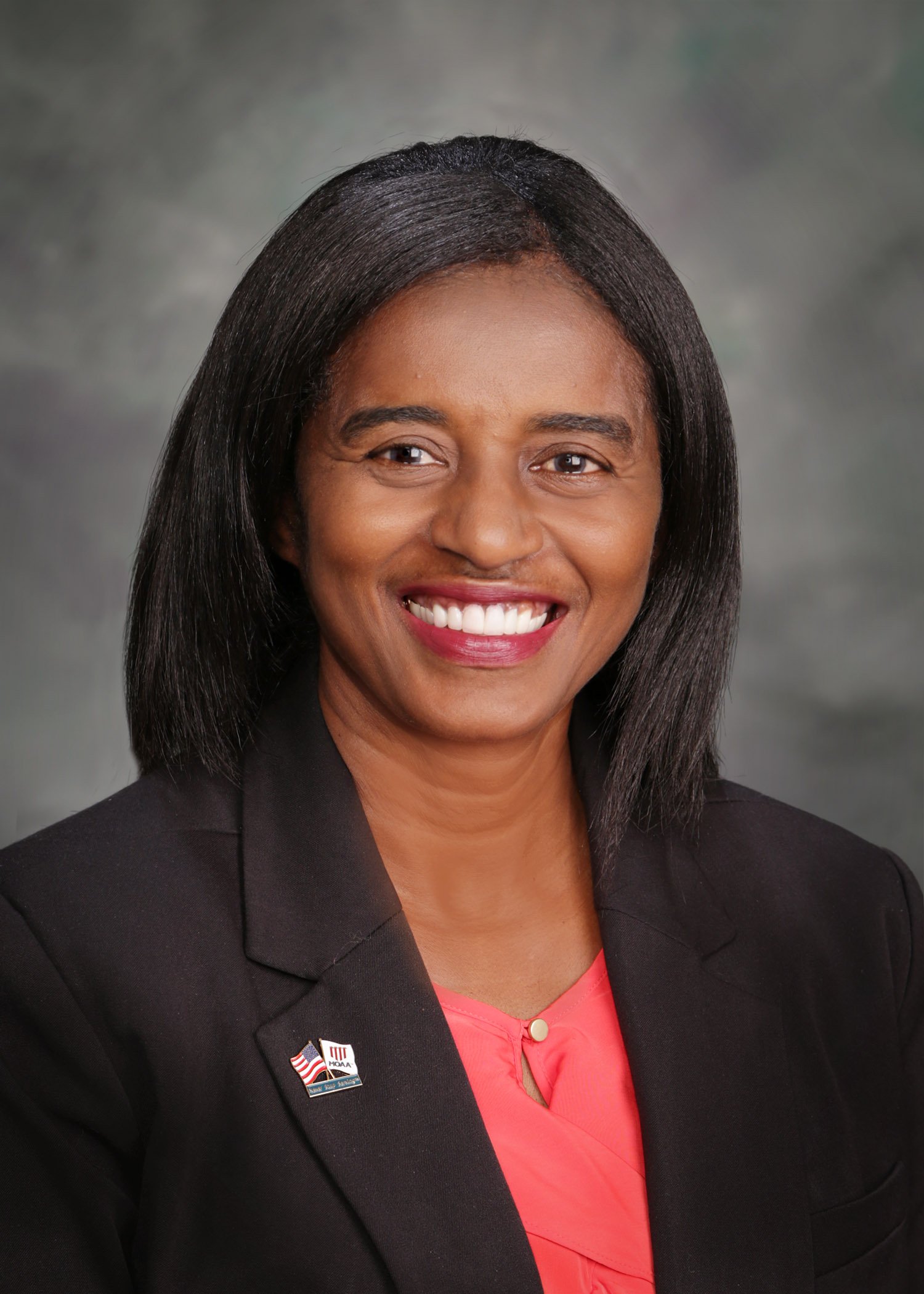
Award-winning author (and MOAA Life member) Col. Carla Bass, USAF (Ret), recently shared guidance from her Write to Influence! program with attendees at a MOAA webinar. Find some of those tips below; MOAA Premium and Life members can access the full webinar recording (MOAA.org login required) along with dozens of other recordings on topics ranging from transition support to financial guidance to explanations of service-earned benefits as part of MOAA’s webinar archive.
Core Strategies
- Start with your reader, not yourself: Before you write a word, ask: Who is reading this? What do they care about? What do I want them to do afterward? Shape your message around their needs.
- Lead with your main point: Busy readers skim. Put your purpose or request in the first two sentences, then support it with specific details.
- Show results, not just responsibilities: “Managed a team” is a duty. “Led a team of 12 and reduced onboarding time by 30%” is influence. Use numbers, outcomes, and specifics wherever you can.
- Translate your experience: Avoid acronyms and insider jargon (such as military and industry shorthand). Describe your skills in terms your reader will immediately understand and value.
[RELATED: Learning ‘Civilianese’ Is Key to a Successful Job Search]
Quick Tips You Can Use Today
- Use active voice. “I developed the program” is stronger than “The program was developed.”
- Choose strong verbs. Skip “help with” and “responsible for.” Instead, you led, directed, managed, built, launched, negotiated, and streamlined.
- Keep sentences short. If you run out of breath when reading it aloud, split it.
- Match your tone to the audience. Be professional but human. Warmth builds trust.
- Tell a brief story. A two-sentence example of a challenge you solved is more compelling than a list of adjectives.
- Edit painstakingly. Cut filler words like “very,” “just,” and “I think.” Then read the passage aloud.
- Proofread twice. Typos undercut credibility. Ask a trusted colleague for a second pair of eyes.
A Simple Checklist
Before you hit “send,” ask yourself:
- Is my main point clear in the first few lines?
- Have I shown results, not just duties?
- Would someone outside my field understand this?
- Is my request specific and easy to act on?
- Have I read it aloud and proofread it?
Final Thoughts
This only scratches the surface of the myriad strategies that can help you achieve award-winning writing. The stories you tell, and how well you tell them, will shape your future.
Practice these strategies in everyday emails, applications, and conversations, and your writing will start to open doors. Need more help preparing your résumé or a job application? Visit MOAA’s Résumé Reference Desk.
Upcoming MOAA Transition and Career Events
- Jan. 6 MOAA Webinar: Marketing Yourself in the New Year
- January Workshop Series: Finding Your Dream Job (starts Jan. 12)
- Feb. 26: MOAA’s Hybrid Executive Career Transition Accelerator Seminar
- March 10: MOAA’s Virtual Career Fair and Hiring Event