(This article originally appeared in the February 2026 issue of Military Officer, a magazine available to all MOAA Premium and Life members who can log in to access our digital version and archive. Basic members can save on a membership upgrade and access the magazine.)
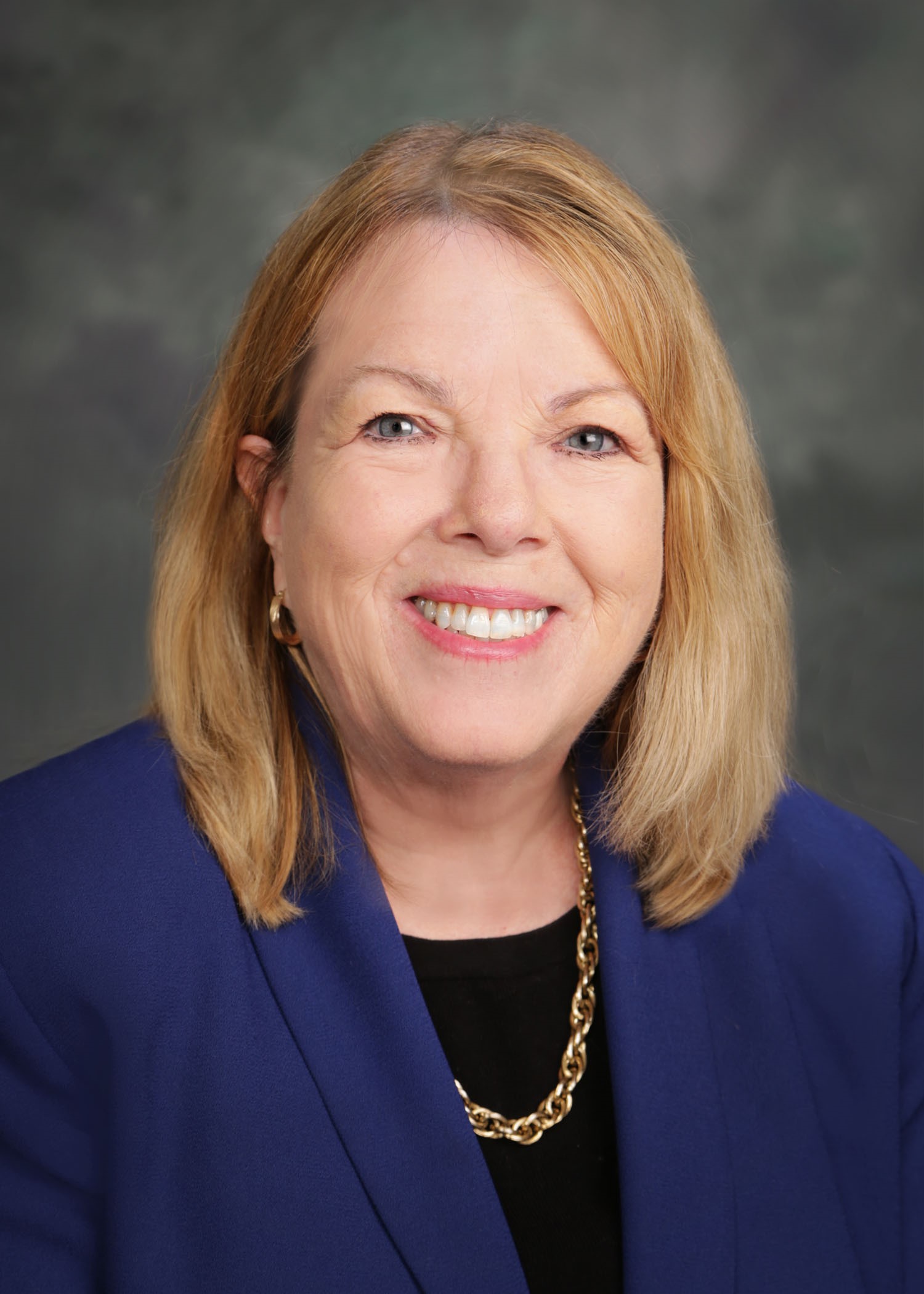
The California Council of Chapters (CALMOAA) has 23 chapters across the state and 1,300 members. Leading at the helm as council president is Capt. Ramona Chávez, USAF (Ret), who has served on active duty, in the California Air National Guard, and Air Force Reserve.
After CALMOAA’s recent significant victory on behalf of the state’s 150,000 military retirees, Chávez told Military Officer in an interview about her perspective on best practices and approaches for MOAA advocacy efforts.
Q. What motivates you to advocate for MOAA?
A. In 2025, we can proudly say we helped deliver a victory that impacts nearly 150,000 military retirees across California. Until now, California was the only state in the nation that fully taxed military retirement pay. Through grassroots advocacy — testimonies, letter writing, and a fair share of sweat and tears — we changed that. Thanks to our collective effort, California now exempts a portion of military retirement pay and Survivor Benefit Plan annuities from state income tax. It’s a win that honors service and restores fairness to those who served.
Knowing that when we speak out and stand together, real change happens — that’s what motivates me. Each success proves that advocacy matters and that our unified voice truly makes a difference for our military community.
[RELATED: MOAA’s Military State Report Card and Tax Guide]
Q. What Accomplishments Would You Like to Share?
A. A major accomplishment was Gov. Gavin Newsom’s signing of Senate Bill (S.B.) 132, which a portion of uniformed services retirement pay and DoD Survivor Benefit Plan annuities from California state income tax. This was a historic milestone for our military community — the result of years of knocking on legislators’ doors, showing up at hearings, and educating our communities about fairness for those who served.
Our success on this legislation reflects more than just policy change — it demonstrates how effective communication and engagement can drive real results.
Our letter-writing campaign was stronger than ever this year, and we’re now seeing the positive impact of that unified effort. We’re also proud of our work supporting S.B. 694 (Deceptive Practices: Service Members and Veterans) — a bill designed to protect veterans seeking assistance with their benefits and safeguard their personal information. While the bill was held in the Senate Rules Committee and became a two-year bill, it remains very much alive. In California, a bill introduced in the first year that doesn’t advance can still be taken up in the second year, and we’ve built strong groundwork for its success in 2026.
Each of these accomplishments reinforces what we’ve long believed — when we stay engaged, coordinated, and persistent, we can make meaningful change for California’s veterans and their families.
[RELATED: MOAA Members Save on Identity Theft Protection With Aura]
Q. What approach works well for coalition building?
A. I love the word “coalition” because it’s all about unity — bringing together organizations and individuals who share a common purpose.
There are many groups out there committed to serving our brothers and sisters in uniform and their families. Coalition building starts with recognizing that shared mission and finding ways to amplify each other’s voices.
My first step is simple: Make ourselves known. Clearly communicate who we are, what we stand for, and why our goals matter. From there, it’s about building trust, showing up consistently, and being both a partner and a supporter.
True collaboration comes from listening, finding common ground, and following through. When you do that, partnerships turn into lasting alliances — and that’s when real impact happens
[RELATED: MOAA Members in the Spotlight]
Q. What is the best way to communicate your message to legislators?
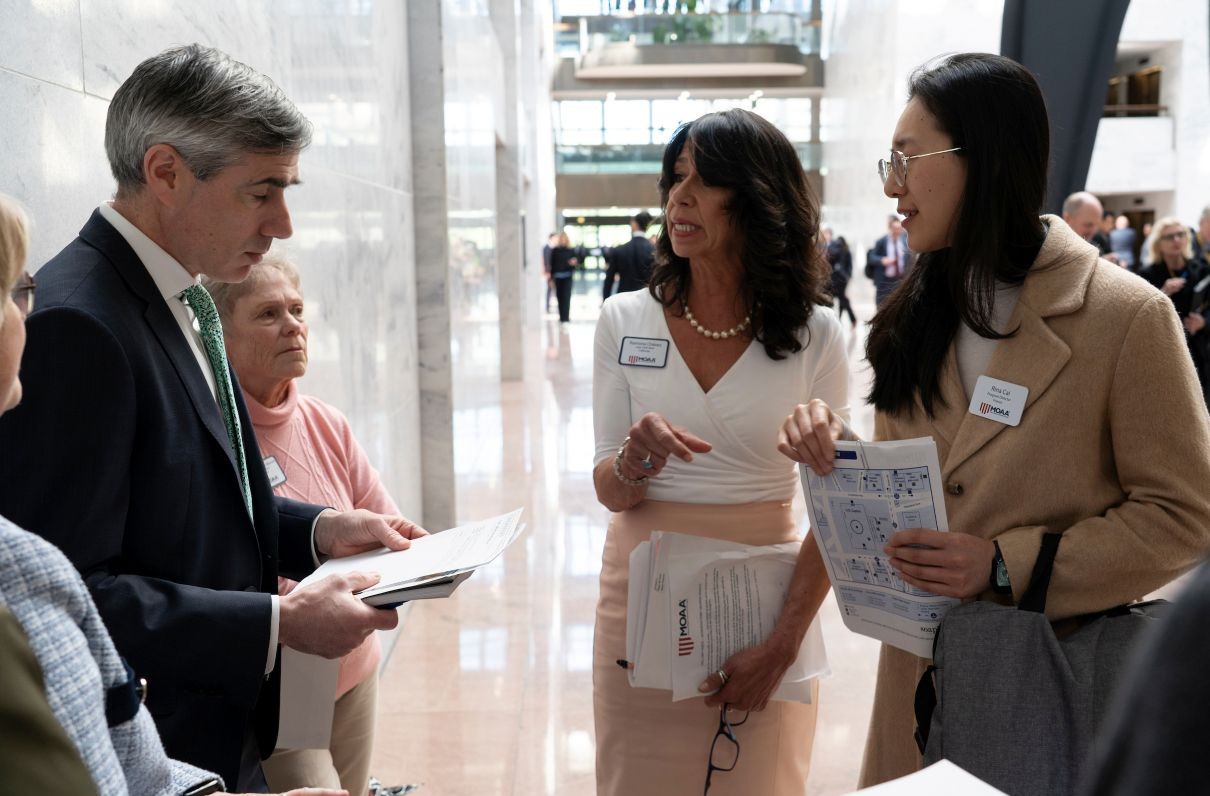
A. The best way to communicate with legislators is face-to-face. When you meet in person, you can convey who you are, why you care, and the passion that drives you to their door.
Whether the meeting is in person, over Zoom, or by phone, the key is preparation — know your issue, know what you’re asking for, and ask clearly. Make it personal. Help them understand how the change you’re advocating for affects not just you, but the people and communities you represent. That personal connection often turns an issue into a priority. And always follow up. A second contact gives them time to process your first conversation.
[RELATED: MOAA’s Legislative Action Center]
Q. What issues in your state should other states be aware of?
A. One of the most important issues we’re tackling in California is protecting veterans from “claim sharks.” These are predatory companies that charge veterans high fees to file benefits claims — services that should always be free through accredited organizations such as county veterans service offices (CVSOs) and veteran service organizations.
Our bill, S.B. 694, addresses this problem by prohibiting unaccredited actors from charging veterans or demanding sensitive personal information like VA logins. It’s about protecting those who served from being exploited while trying to access the benefits they’ve earned.
Q. What else would you like to do?
A. Our top priority is strengthening California’s new military retirement tax exemption. While the law was a tremendous step forward, its current income caps prevent some veterans from receiving the benefit. Many of our retired servicemembers have second careers, and their earnings exceed the current thresholds of $125,000 for single filers or $250,000 for joint filers. We’re pushing for a full exemption so that all who served can benefit equally.
Membership is also a major priority. It’s our members who help us educate, advocate, and elevate our collective voice. Growing and empowering our membership base is essential to sustaining momentum and ensuring that every veteran’s story is heard.
I want to continue building a strong coalition among the organizations that support veterans, servicemembers, and families. I want to see us become even more immersed in local communities to educate, advocate, and ensure every Californian understands the importance of supporting those who’ve worn the uniform.
Want to Help Servicemembers in Your Community?
Learn how you can make a difference with your local chapter.