
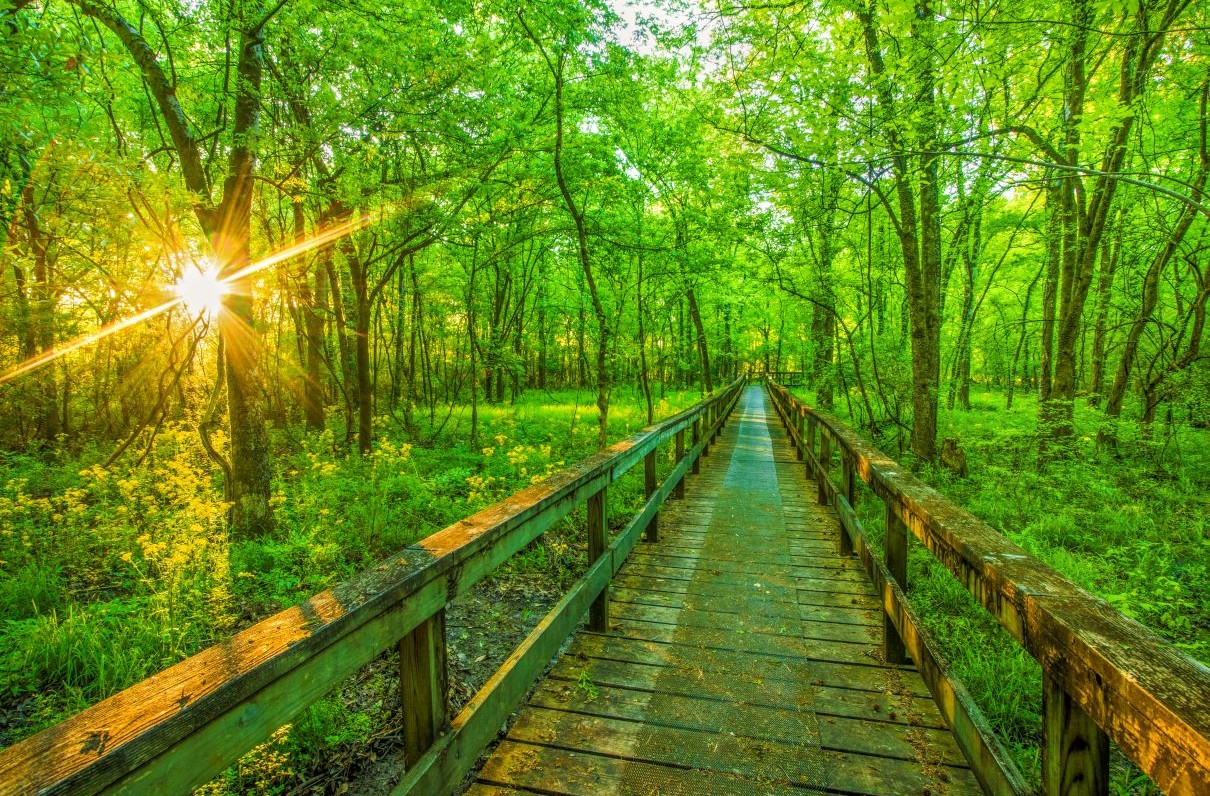
(This article by Lt. Col. Patrick J. Chaisson, USA (Ret), originally appeared in the April 2026 issue of Military Officer, a magazine available to all MOAA Premium and Life members who can log in to access our digital version and archive. Basic members can save on a membership upgrade and access the magazine.)
Some roads are built for speed, others for stories.
For those seeking a reprieve from the congestion and monotony of the American interstate system, the U.S. National Park Service maintains four designated national parkways. Among them is the Natchez Trace Parkway, a scenic 444-mile byway that winds through the lush landscapes of Mississippi, Alabama, and Tennessee.
This two-lane thoroughfare connects Natchez, Miss., with Nashville, Tenn. Large trucks are prohibited, and the parkway’s speed limit is generally capped at a gentle 50 mph.
While you can drive the entire parkway in about 10 hours, knowledgeable travelers recommend you devote three or four days to fully explore its pullouts, exhibits, and walking trails.
Whether you are operating a motor vehicle or riding your bicycle, the Natchez Trace Parkway demands a slower pace.
History at Every Bend
For thousands of years, the area around the parkway has served as a major travel corridor — first for the Choctaw, Chickasaw, Natchez, and other Indigenous groups and later for settlers, boatmen, soldiers, traders of enslaved people, and future presidents. Long ago, the region’s earliest human inhabitants constructed ceremonial mound complexes. They now stand as silent reminders of ancient cultures.
By the early 19th century, the area around the parkway became the primary return route for “Kaintucks” — frontiersmen who floated goods downriver, sold their flatboats for lumber, and then walked hundreds of miles back home.
[RELATED: Travel With MOAA Vacations]
The area also holds disturbing memories. Thousands of enslaved people were moved against their will along this route, and several Civil War battles took place in the region. Some nearby battlefields worth checking out are Shiloh, Vicksburg, Brice’s Cross Roads, Tupelo, and Franklin.
The Great Outdoors
The parkway also offers opportunities for hiking, biking, horseback riding, and camping. Neighboring state parks and locally owned venues provide access to swimming, boating, and fishing.
The region’s wondrous biodiversity supports 134 bird species, plus dozens of different mammals, reptiles, amphibians, and fish. Every October, trees transform into a riot of fall colors.
Cultural landmarks that deserve a visit include Emerald Mound and the Meriwether Lewis National Monument. Among the parkway’s natural wonders are majestic Jackson Falls and the eerie, yet beautiful Cypress Swamp boardwalk trail.
Several pullouts lead to sunken sections of the original trail.
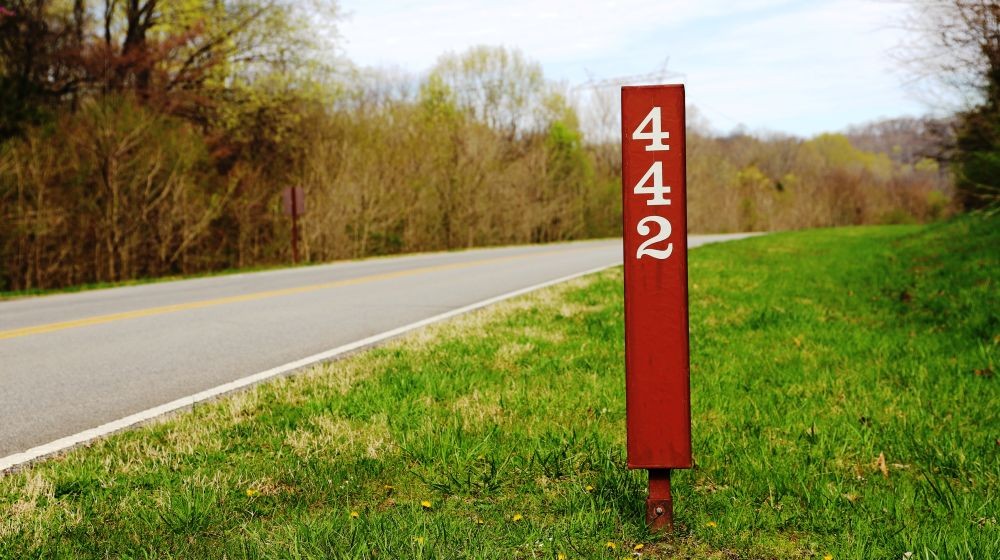
The 444-mile Natchez Trace Parkway covers parts of three states. (Photo by Lt. Col. Patrick J. Chaisson, USA (Ret))
Plan Your Visit
Three general campgrounds are along the way, plus five bicycle-only camping areas — all free. Recreational vehicles are allowed but cannot exceed 55 feet in length and 14 feet in height. The closest major airports are in Nashville and in Alexandria, La.
The main visitor center is in Tupelo, Miss. If you go this way, you’ll be traveling along one of the oldest routes in North America.
Lt. Col. Patrick J. Chaisson, USA (Ret), is a writer and historian in Scotia, N.Y.
Military Officer Magazine
Discover more interesting stories in MOAA's award-winning magazine.