
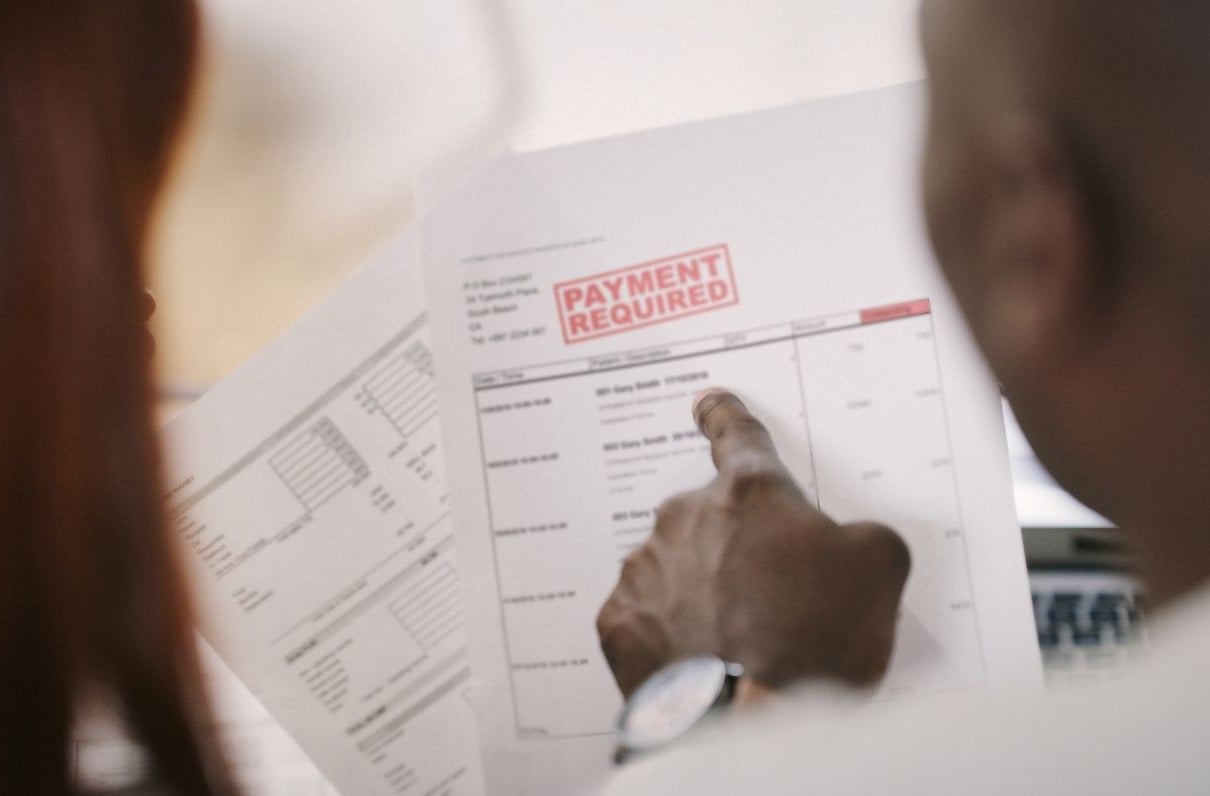
Nearly 13,000 “military consumers” – servicemembers, veterans, and their family members – reported debt collection scams to the Federal Trade Commission in 2025, behind only bank- and lender-related fraud within the military community. Debt management scams, including mortgage-related fraud, cost military consumers nearly $9 million last year.
These scams take advantage of the financially vulnerable, offering promises of debt relief that instead can lead to identity theft and more money trouble. And many are created with military-connected targets in mind.
Here’s some advice to help steer clear of these scams, courtesy of MilitaryConsumer.gov, the VA, and other sources. Keep up to date on the latest scam news, and review best practices to stay safe, at MOAA’s Scam and Fraud Prevention Resources page.
1. Confusing Contact
Scammers may reach out via email, text, or social media and portray themselves as a reputable financial company, often one that’s service-connected. Even if the name sounds familiar and the offer sounds legitimate, receiving an unsolicited offer out of the blue is an early red flag. If you decide to learn more, go to the official website of the financial firm (not through a link in the message) and reach out through legitimate channels.
Never heard of the company before and unsure where to start your research? Find your state’s consumer protection office.
[RELATED: How to Avoid a Benefits Buyout Scam]
2. Advance Payment
Debt relief companies cannot charge a fee before they remove or reduce your debt. Any offers that involve upfront payment should be ignored.
Some scammers may not be as direct with their request, offering instead to enroll you in a debt-relief service (possibly “exclusive” to military members or veterans). Others may insist any debt payments be made to them directly instead of to your creditors. These are clear signs of fraud.
3. Aggressive Claims
Legitimate debt relief agencies will not:
- Threaten you with criminal charges or jail time over unpaid debts.
- Offer to simply “erase” debts or negative credit information.
- Refuse to provide details on the debt in question, or to provide a contact number or address to verify their services.
[LEARN MORE: MOAA’s Crisis Relief Program]
4. False Confidence
A Naval Criminal Investigative Service (NCIS) warning outlines a particularly insidious scam type, where a debt relief scammer will offer to forward money to help the victim begin paying off debts. After the victim accepts the money, the scammer asks the victim to wire a portion of it to a third party … only to use the bank account information to set up loans in the victim’s name.
These confidence-building scams take many forms, but all are designed to separate the victim from their money or personal data, or both.
5. Real Solutions
Many of those facing mounting debts may fall victim to fraud because they are not aware of legitimate relief programs. Some examples:
- The VA offers support for those facing debts related to benefit overpayment and copay charges.
- The Consumer Financial Protection Bureau offers do-it-yourself advice for addressing credit report problems, which could help correct credit scores and open up more financial alternatives.
- Servicemembers and retirees may qualify for military-connected financial relief programs.
The Smart Money’s on MOAA
Making sound financial decisions is not always as simple as we would like. PREMIUM and LIFE members can access MOAA's Financial Planning Guide, as well as speak with a MOAA financial expert for additional assistance.