
This article was originally published in March 2026. Last update: Aug. 28, 2026.
Servicemembers and some military retirees can access their file in the Individual Longitudinal Exposure Record (ILER), a database launched in 2019 that tracks potential exposures to environmental hazards based on all types of deployment and assignment information.
They also can self-report information regarding such assignments and duties that they believe is missing from the record, though such submissions will not “change official source data,” according to military health system (MHS) ILER guidance.
Servicemembers and retirees will need a Common Access Card and a private email address to establish an ILER account. They can begin the process at the ILER Account Logon page after accepting a series of disclaimers. A full walkthrough of the process is available via a Health.mil instructional video; those with questions can call the Defense Health Agency Global Support Center at (800) 600-9332 or email dha.jbsa.j-6.mbx.mhs-service-desk@health.mil.
The VA is expected to offer similar access and self-reporting procedures in the fall to veterans using “department-approved access methods,” according to an August update from the department.
[MOAA/DAV REPORT: Ending the Wait for Toxic-Exposed Veterans]
What Is ILER?
The database provides full information on exposure history for servicemembers and veterans throughout their careers. This allows medical professionals to review such materials when diagnosing illnesses and establishing treatment plans, and offers a wider data set to researchers who can identify and analyze exposure patterns.
It can also be used as part of the VA disability evaluation process, though ILER information “does not determine eligibility, disability ratings, or benefit decisions,” per the MHS guidance.
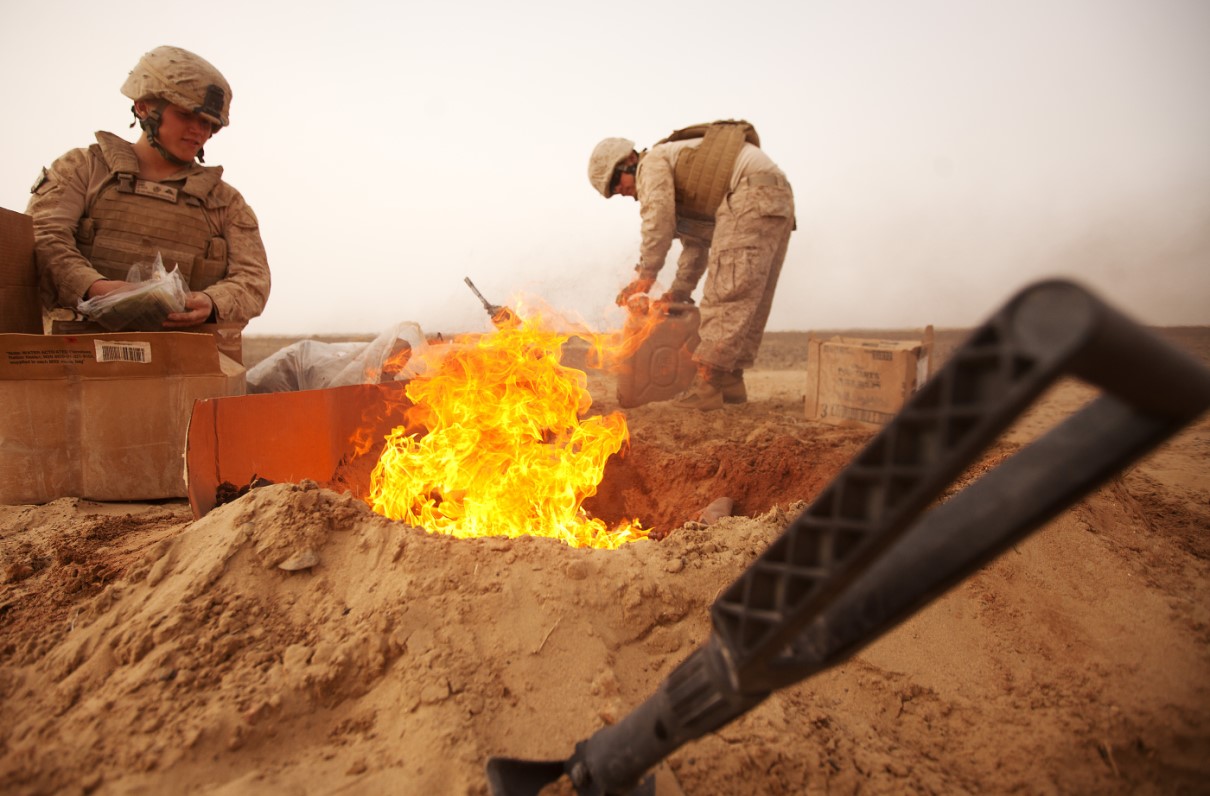
The database pulls information from various sources to create “individualized exposure summaries,” more than 11.9 million of which existed as of April 2026, according to a Government Accountability Office report. It incorporates a range of historical registries, including the VA Gulf War Registry and the Airborne Hazards and Open Burn Pit Registry.
MOAA has supported congressional efforts to expand ILER to include stateside exposures and ensure all data is made available for VA use. Language to that effect was included in the FY 2026 National Defense Authorization Act.
[RELATED: AI, the VA, and Fraud: What You Need to Know]
Self-Reporting
Servicemembers and retirees (and eventually all veterans) can self-report deployment locations, exposure events, or other details missing from their ILER record via the online portal. While the information will not override existing records, it could be used by health care providers when considering treatment options.
Users are encouraged to self-report such details even if specific dates or details are not available. They’re also asked to review their ILER record “periodically,” according to MHS materials, especially after deployments and prior to leaving service.
More Resources
To learn more about accessing the ILER, visit these Health.mil pages:
- Understanding the Individual Longitudinal Exposure Record
- ILER: Exposure Data Management for Service Member and Veteran Care
- Frequently Asked Questions: ILER
Get Help Navigating VA Benefits
Questions about VA benefits? Start here. PREMIUM and LIFE Members have direct access to our webinar archive with to-the-point information on everything from claims and appeals to concurrent receipt to home loans and more.