
By MOAA Staff
MOAA offered nine proposals in a May 8 letter to lawmakers that “address issues integral to readiness, retention, and quality of life” and should be included in the upcoming must-pass defense authorization bill.
The issues cover the needs of active duty families, Guard and Reserve members, as well as retirees. Many have been part of MOAA advocacy efforts dating to the beginning of this Congressional session (or before) and are reflected in bills making their way through the 119th Congress; the FY 2027 National Defense Authorization Act (NDAA) offers a legislative vehicle for passage of these improvements.
Learn more about each item below, and click the links to send messages to your lawmakers about the individual bills via MOAA’s Legislative Action Center. Continued grassroots support of these pieces of legislation strengthens the argument for their NDAA inclusion.
Duty Status Reform Act: H.R. 6976 would cut the more than two dozen reserve duty statuses to four, better ensuring these members earn the same benefits and service credit as their active duty counterparts when performing the same duties.
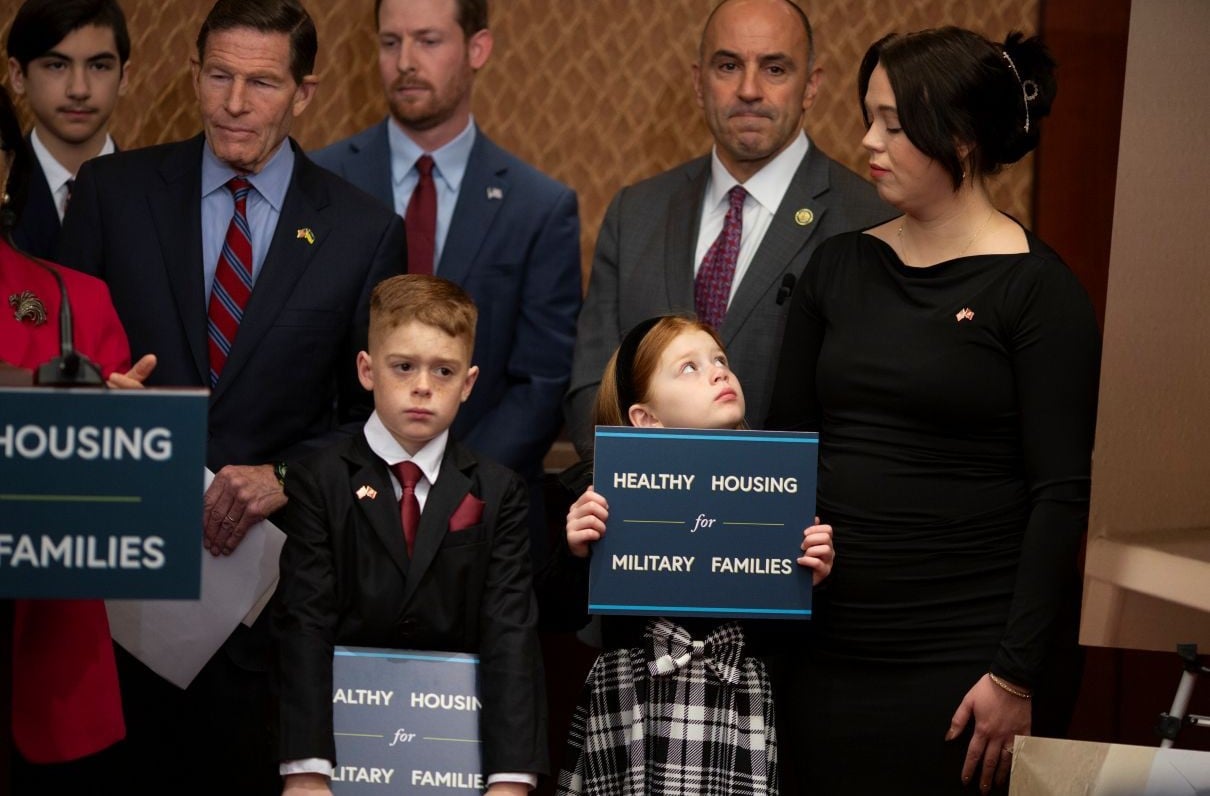
MOLD Act: H.R. 7188/S. 3654 would give families in military housing more resources to escape unhealthy living conditions, including required independent inspections to remediate toxic mold and the ability to withhold housing payments until treatment and repairs are complete.
Military CARE Act: H.R. 6796 would establish a digital reporting system to allow patients at military hospitals and clinics to report access to care issues. The system would connect beneficiaries with patient advocates while reporting data to the Defense Health Agency for use in identifying issues at individual facilities and systemwide trends.
[REGISTER NOW: MOAA’s Legislative Action Center]
Major Richard Star Act: H.R. 2102/S. 1032, already cosponsored by more than 400 House and Senate members, would end an unjust pay offset faced by combat-injured retirees, who lose a dollar of military retirement pay for every dollar of VA disability compensation. MOAA is a founding member of the Star Act Alliance, which has worked to increase momentum behind the legislation in recent weeks.
TRICARE For Life and GLP-1s: MOAA has been outspoken regarding the need to reverse last year’s decision to end coverage of these drugs for certain TRICARE For Life users, creating a two-tier coverage system that sets a dangerous precedent and weakens the service-earned health benefit.
Health Care Fairness for Military Families Act: H.R. 4768/S. 2448 would allow dependents to remain on TRICARE coverage until age 26, bringing parity with commercial health plans. Eligibility currently ends at 21 (or 23 for full-time students), meaning military families must decide between costly TRICARE Young Adult premiums or the end of health care coverage.
[RELATED: More Advocacy News From MOAA]
Basic Allowance for Housing (BAH) Restoration: BAH has not covered full housing costs since 2015 and now sits at 95% of expected rent and utility bills. This means most of the force, to include junior members in high cost-of-living areas, are forced to cover at least 5% of these bills out of pocket. Bringing BAH back to 100% not only restores a service-earned benefit, it will help address other financial concerns faced throughout the all-volunteer force.
Prenatal Care for Military Families Act: H.R. 4381 would create a pilot program to establish pregnancy as a TRICARE qualifying life event (QLE), allowing expectant moms to change plans and secure access to vital prenatal care where it is available. The current system leaves many such patients trapped in a plan that may not allow them to access critical, timely maternity resources.
Child Care Improvements: By expanding the Child Care In Your Home pilot program as well as increasing access to au pairs among military families, the NDAA could help address the more than 8,000 military children now on child care waitlists.
Register at MOAA’s Legislative Action Center to keep up with the latest on these MOAA advocacy priorities and others.
When MOAA Speaks, Congress Listens
Learn more about MOAA’s key advocacy issues, and contact your elected officials using our messaging platform.