
(This article by Lt. Col. Nick Barringer, USA (Ret), originally appeared in the October 2026 issue of Military Officer magazine.)
Imagine you get a call about a colleague with whom you served — someone you still picture at the front of every formation run, a soldier who could outpace troops half her age. She has fallen at home and broken her hip. When you reach her, the word her physician has used is one most people have never heard: sarcopenia.
Some version of this scenario plays out for thousands of aging veterans every year, and it usually finds the people who believed they were too fit to be vulnerable. That is the nature of this threat. It arrives quietly, and it rarely announces itself until someone hits the floor.
Here is the uncomfortable truth for those of us who built our identity around cardio: A fast mile tells you almost nothing about the tissue that keeps you upright, independent, and alive. Decades of physical-readiness testing trained us to equate fitness with aerobic capacity. That blind spot has a cost, and the neglected variable is skeletal muscle.
Starting in your late 30s, you begin losing muscle mass and strength, slowly at first, then faster. When the loss crosses a threshold, it becomes sarcopenia, the age-related decline of muscle mass and function. It is both common and underdiagnosed. According to a large study laid out in the journal Innovation in Aging that followed adults for more than a decade, sarcopenia rose from 5% of people in their late 60s to 36% by their late 80s.
[HEALTHY LIVING: Oral Health and Aging]
It is a major contributor to falls, fractures, hospitalization, and the loss of independence that follows. Because the early stages produce no symptoms, most people never feel it until they hit the floor.
Now the part that should command your attention: Strength is one of the best predictors we have of how long a person will live, and it holds up even after accounting for cardio. A review in the European Journal of Internal Medicine found muscular strength was independently linked to all-cause mortality even after adjusting for physical activity and cardiorespiratory fitness. In plain terms, your strength predicts survival on top of your endurance, not instead of it.
A meta-analysis of roughly 2 million adults in the journal Physical Medicine and Rehabilitation found those with higher grip strength had a 31% lower risk of dying from any cause. Furthermore, the international Prospective Urban Rural Epidemiology study reported that every 5-kilogram drop in grip strength raised the risk of death by 16% and cardiovascular death by 17%, according to an article in The Lancet, a medical journal.
A simple hand squeeze, it turns out, could forecast your future better than expensive tests.
[HEALTHY LIVING: Spotting and Treating Cellulitis]
So why does muscle carry so much weight? Because it does far more than move you.
Skeletal muscle is the largest organ in your body by mass, and it clears roughly 80% of the sugar from your blood after a meal. It also acts like a gland, releasing signaling molecules called myokines that sharpen insulin sensitivity. In other words, lose muscle and you will lose your body’s largest sugar sponge and one of its best functional tools. That is a major reason low muscle mass travels alongside diabetes and heart disease. Running is good for you, but it will not build this tissue — only loading a muscle does that.
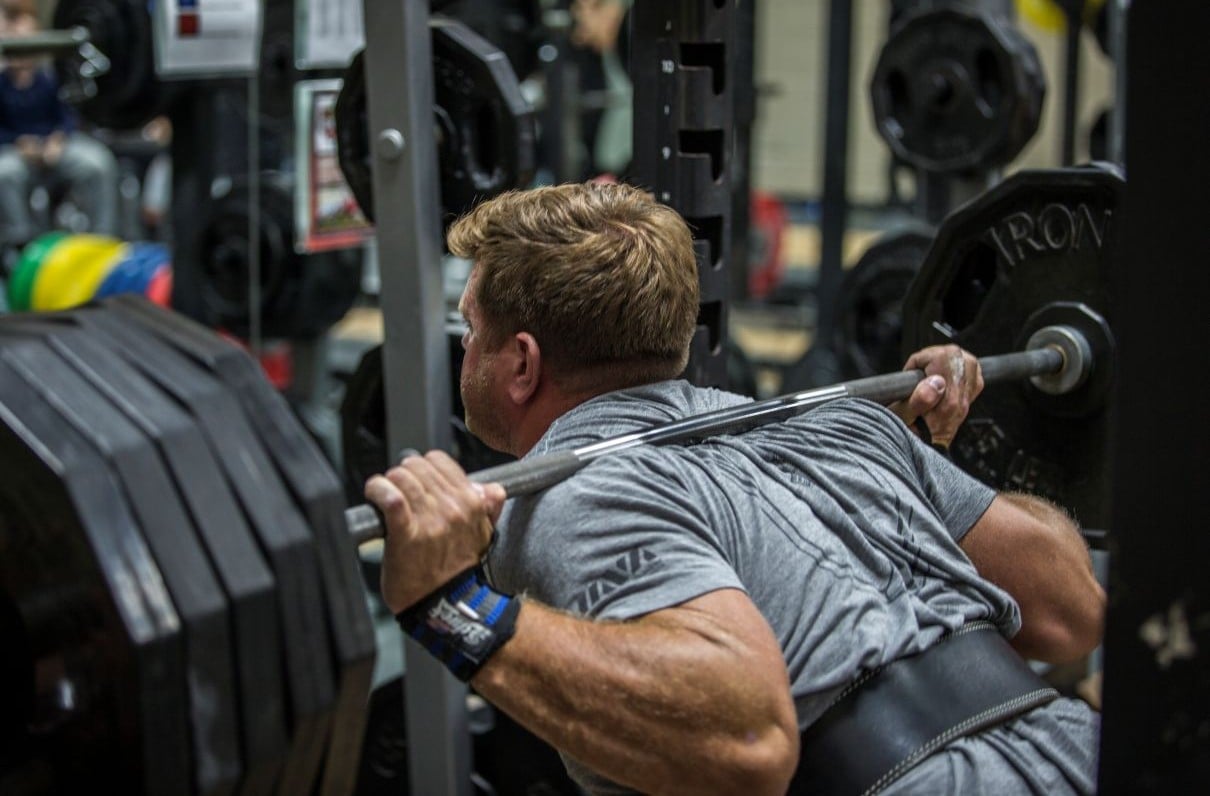
And now for some good news: This is all one of the most fixable problems in the world of medicine. Resistance training is one of the most effective ways to rebuild strength and function as we age, with or without supplements.
You do not need an elaborate program. Two to three sessions a week covering the basics — pushing, pulling, squatting, and hinging, with enough weight that the last few reps are genuinely hard — is enough to change your trajectory.
Then add appropriate nutrition to the mix. Aging brings anabolic resistance, meaning older muscle responds less readily to protein, so you need more of it. Current guidance for older adults is 1.2 to 1.6 grams of protein per kilogram of body weight daily. Spread it out, aiming for 25 to 40 grams per meal rather than loading it all at dinner.
[HEALTHY LIVING: Beat Back Pain With a Strong Core]
Notably, a trial in older former military men found that pairing resistance training with 1.6 grams per kilogram of body weight improved body composition and performance with no harm to kidney or liver function for those older adults with healthy kidney function.
We spent our careers managing risk and staying ready. Sarcopenia is preventable, and muscle is one of the few things about your long-term health that stays fully under your command. Stay left of the bang and start training now.
If you find weight training intimidating, I recommend investing in a personal trainer or coach to get started. It is money well spent, as the return on investment is continued health and physical ability.
Lt. Col. Nick Barringer, USA (Ret), is chief academic officer and dean of graduate studies at Lionel University.
Get Organized With Everplans
MOAA partners with Everplans, a digital estate planning tool offering discounted rates to all MOAA members. Find out more about their offerings ... and how much you can save.