
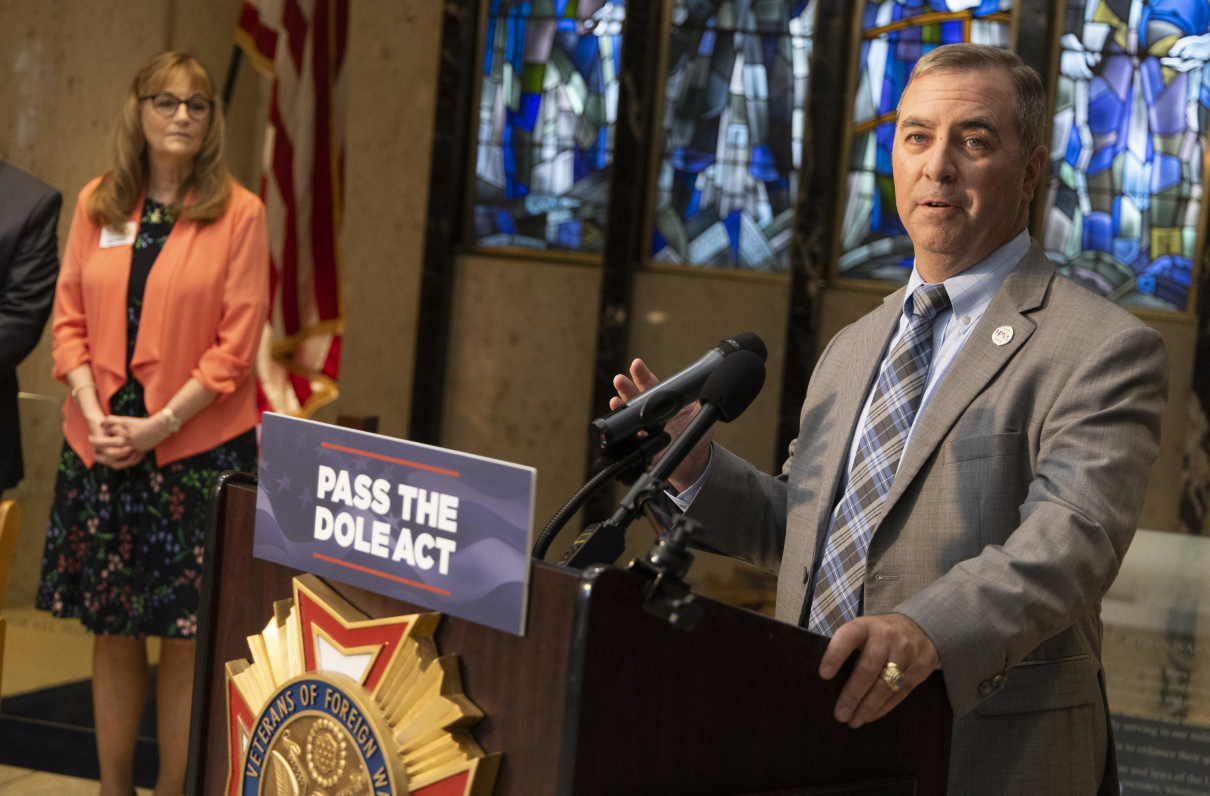
Many provisions of a MOAA-supported law designed to expand veteran benefits, strengthen services, and improve caregiver support remain unfinished more than a year after its passage, lawmakers said during a March 4 hearing.
The Senator Elizabeth Dole 21st Century Veterans Healthcare and Benefits Improvement Act, enacted in January 2025, represents more than 90 bipartisan provisions developed during the 118th Congress and was supported by MOAA and more than 40 other veterans organizations. Lawmakers from both parties on the House Veterans’ Affairs Committee panel on oversight and investigations noted that the VA has fallen behind on several requirements, especially those aimed at improving caregiver support, expanding mental health services, completing staffing models, and increasing access to home and community‑based care.
With key reforms still pending and implementation delays affecting the very populations the law was designed to help, MOAA continues to press for full execution of the Dole Act’s requirements while also urging swift passage of the Veteran Caregiver Reeducation, Reemployment, and Retirement (3R) Act to close other persistent gaps.
[TAKE ACTION: Ask Your Lawmakers to Support Veteran Caregivers]
Oversight Raises Concerns About Delayed Reforms
Many Dole Act provisions remain incomplete, according to subcommittee members, with some already flagged as at risk or behind schedule. They pressed VA leaders to provide clearer timelines, measurable benchmarks, and stronger transparency around progress.
A Government Accountability Office witness emphasized that persistent obstacles, including limited access to caregiver mental health services and gaps in program monitoring and outreach, continue to hinder caregivers’ ability to benefit fully from the law’s intended reforms.
[WATCH THE HEARING: Delivering for Veterans and Caregivers: Year One of the Dole Act]
Why the Legislation Matters
The Dole Act includes critical improvements for veterans and caregivers, such as expanding VA’s share of home nursing coverage to 100%, offering grants and contract opportunities to mental health providers to help caregivers, and streamlining support programs intended to reduce financial strain and improve home‑based care outcomes. Stalled implementation means caregivers continue to face out‑of‑pocket costs, limited access to mental health support and respite services, and inconsistent awareness of available resources.
Senior VA officials told lawmakers that oversight of the Dole Act has been elevated to the Office of the Secretary to enhance coordination. They noted progress in expanding access to community care and home‑based services but acknowledged that funding shortfalls, staffing challenges, and logistical constraints have slowed implementation. As a result, the VA has had to shift resources within existing budgets or make internal adjustments to keep requirements moving forward.
MOAA’s Advocacy Work Continues
MOAA remains at the forefront of pressing Congress and VA leadership to prioritize caregiver support enhancements and ensure the Dole Act is fully implemented. MOAA President and CEO Lt. Gen. Brian T. Kelly, USAF (Ret), testified Feb. 24 before a joint session of the House and Senate Veterans’ Affairs Committees, urging lawmakers to take meaningful action to strengthen support for caregivers who play a vital role in veterans’ long-term care.
To advance this work, MOAA is championing the Caregiver 3R Act, a top priority this Congress. The bill would help caregivers transition after their caregiving role ends by expanding health coverage, offering bereavement and employment assistance, and improving access to retirement planning resources.
[RELATED: MOAA’s Legislative Priorities for the 119th Congress]
Help Move the Caregiver 3R Bill Forward
MOAA urges members and supporters to continue engaging with their lawmakers to ensure this important legislation advances to the House and Senate floors and become law.
Add your voice by taking action through MOAA’s Legislative Action Center and help keep caregiver and veteran support at the forefront of Congress’ agenda.
When MOAA Speaks, Congress Listens
Learn more about MOAA’s key advocacy issues, and contact your elected officials using our messaging platform.