
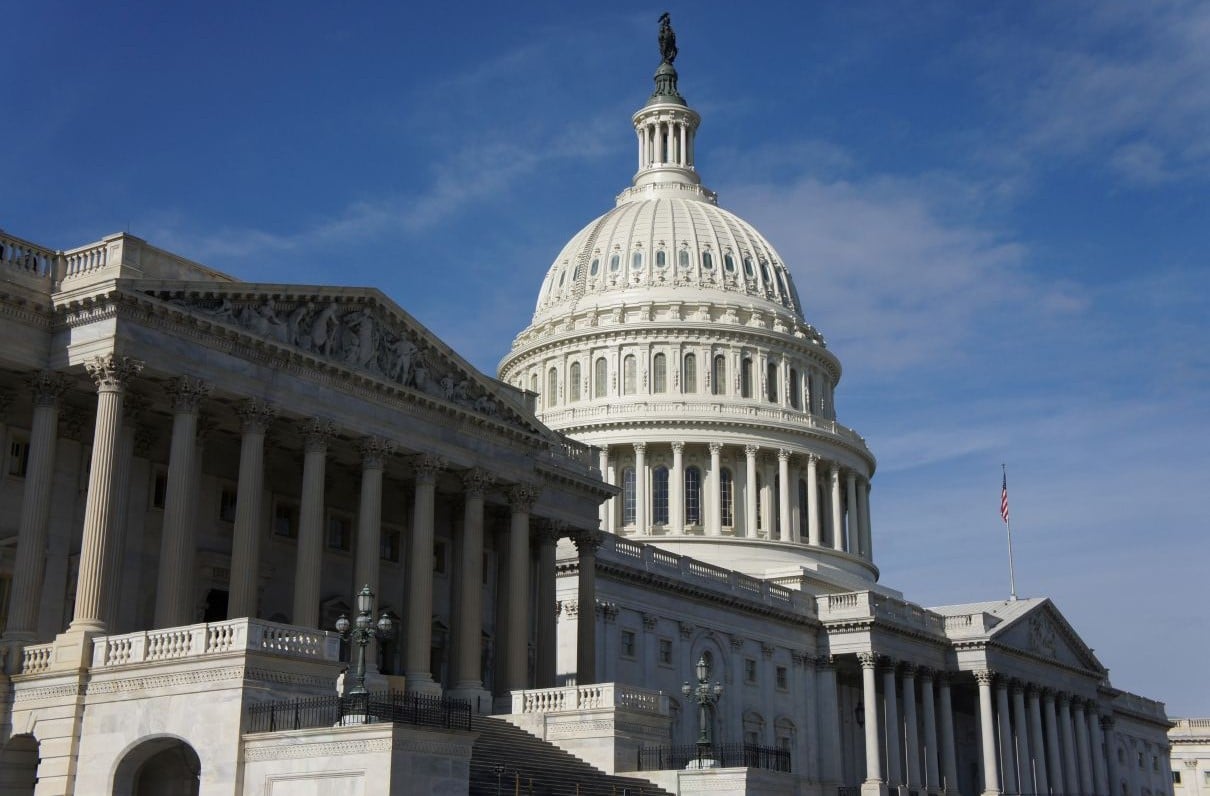
The FY 2026 National Defense Authorization Act (NDAA) cleared the Senate on Dec. 17 by a 77-20 margin and will move to the president’s desk for signature.
The $901 billion measure passed the House 312-112 on Dec. 10. MOAA outlined key elements of the legislation at that time, to include:
- A 3.8% basic pay raise, in line with private-industry benchmarks.
- Further protections against medical billet cuts at military treatment facilities.
- A range of additional improvements for currently serving members and their families, to include child care fee assistance, an increase in Family Separation Allowance, and a report on unreimbursed expenses attached to PCS moves.
MOAA Government Relations staff members continue to analyze the NDAA and will offer greater details on these issues and others in the coming weeks.
[MORE NDAA NEWS: Congress to Require Greater Oversight of Military Health Restructuring]
What’s Next for Congress
Dec. 18 marks the last day of the year when both the House and Senate are scheduled to be in session. The House will adjourn for the year that day, while the Senate is set to end its year Dec. 19. Both are set return the week of Jan. 5, 2026.
Lawmakers have less than a month to avert another federal funding lapse, as the continuing resolution (CR) ending the recent record-setting shutdown (Oct. 1-Nov. 12) will expire Jan. 30. Some appropriations bills, to include a measure to fund military construction and the VA, were passed as part of CR negotiations, meaning this shutdown would not affect all corners of the government.
However, defense appropriations have not been approved for the fiscal year, meaning those who serve and have served will face many of the same challenges they planned for in the fall: The potential of missed paychecks, delayed or discontinued support programs, last-minute changes to PCS moves or training timetables, and other fallout.
MOAA will continue its work over the recess and into the new year to secure protections from these effects, including legislation that would allow the Pentagon to pay all servicemembers during a funding lapse (without relying on last-minute adjustments) and to ensure retirement pay continues uninterrupted for U.S. Public Health Service Commissioned Corps and NOAA Commissioned Corps retirees.
[RELATED: 3 Ways to Protect Servicemembers and Veterans From the Next Shutdown]
Keep up with the latest on these efforts, including how you can send messages on these topics and other MOAA priorities to your lawmakers, by registering at MOAA’s Legislative Action Center.
When MOAA Speaks, Congress Listens
Learn more about MOAA’s key advocacy issues, and contact your elected officials using our messaging platform.