
By MOAA Staff
While the Pentagon and Department of Homeland Security found temporary ways to provide paychecks to the armed services (Army, Marine Corps, Air Force, Space Force, and Coast Guard), thousands of others in uniform, as well as thousands of retired officers, may not be as fortunate.
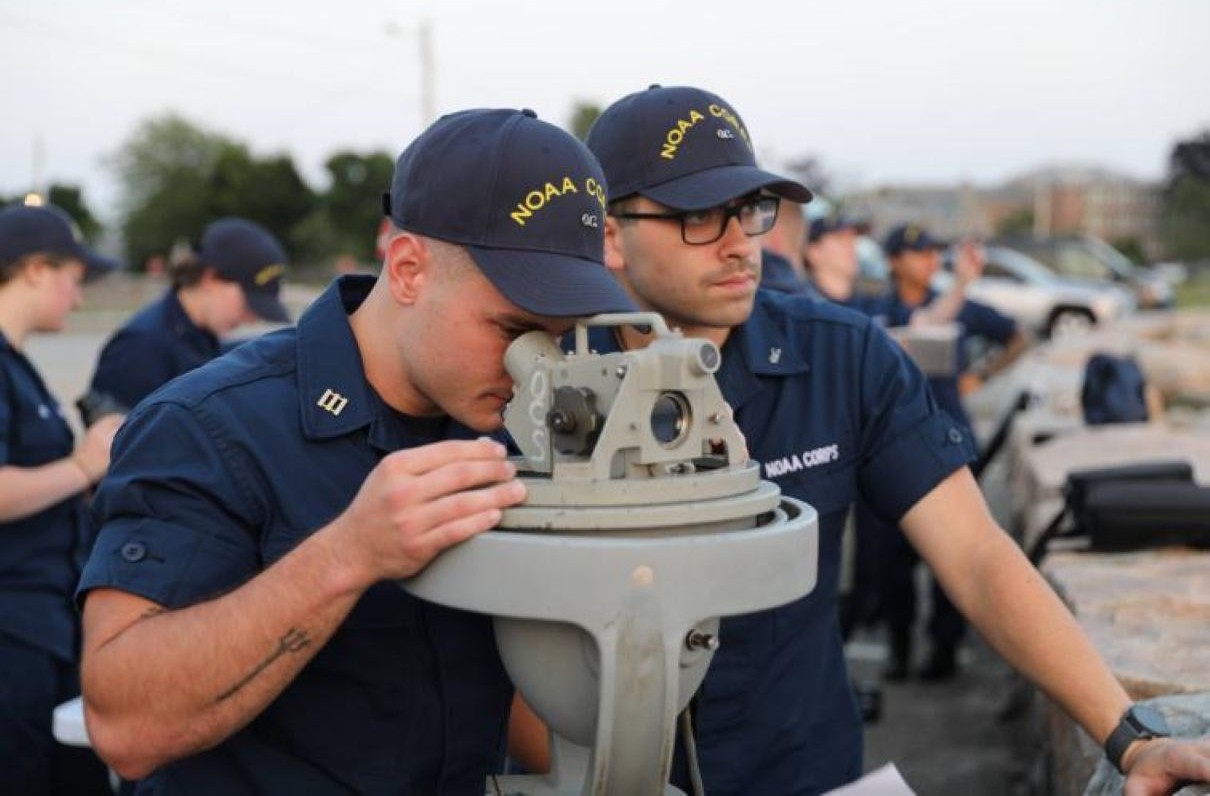
No protections are in place for members of the U.S. Public Health Service Commissioned Officer Corps (USPHS), who are paid on a monthly cycle. Members of the NOAA Commissioned Officer Corps are paid biweekly and have already missed a check. And unlike armed services retirees whose compensation comes from the Military Retirement Fund (and is protected from discretionary-funding debates), retirees from those officer corps aren’t guaranteed to receive their monthly checks as of the end of October.
[TAKE ACTION: Ask Your Lawmakers to Protect Retiree Pay for All Who Served]
“These officers serve and have served alongside those in the armed forces,” said Lt. Gen. Brian T. Kelly, USAF (Ret), MOAA president and CEO. “MOAA’s 350,000-strong membership proudly includes past and present members of both the USPHS and NOAA Commissioned Officer Corps. They’ve flown through hurricanes and fought pandemics. They’ve deployed across the globe for missions vital to our national security. Yet despite their service, they continue to face uncertainty and unequal treatment. We urge lawmakers and administration leaders to come together to correct this inequity and uphold our shared commitment to all who serve in uniform.”
MOAA’s work on the issue has included regular communication with key stakeholders, including letters sent to Department of Health and Human Services Secretary Robert F. Kennedy Jr. and Department of Commerce Secretary Howard Lutnick on the need to match efforts by the armed services to find available funds to pay those in uniform. Another letter to key leaders of House and Senate committees outlines the need to pay USPHS and NOAA uniformed retirees, noting that “immediate congressional attention will prevent further harm to those who have dedicated their careers to protecting the health, safety, and welfare of the American people.”
[READ THE LETTERS: HHS | Commerce | Congress]
MOAA Shutdown Resources
- WRITE YOUR LAWMAKERS: Support the Pay Our Troops Act | Protect retiree pay for all who served
- MORE MOAA ADVOCACY: Joining forces to support servicemembers and their families
- SHUTDOWN FAQ: Uniformed pay and retirement pay during the funding lapse
- SUPPORT FROM MOAA: The MOAA Foundation’s Crisis Relief Program is accepting applications from those impacted by the government shutdown. Learn who is eligible, and find out how to apply.
An Unclear System
USPHS and NOAA officers use the same pay table as members of the armed services, but that’s where the similarities end. USPHS Commissioned Officer Corps members work under the Health and Human Services Department, while NOAA Corps members work under the Commerce Department.
Neither department has announced plans to continue paying these members, even though they are exempt from federal furlough. MOAA has pressed lawmakers in both chambers to add these officers to pending legislation that would ensure servicemembers in the armed forces are paid during the ongoing funding lapse, but the bills as structured would not provide such protections.
Retirees from these organizations are paid via the Coast Guard Pay and Personnel Center. Retirement pay for the armed services (including the Coast Guard) comes from the Military Retirement Fund and will be processed regardless of federal funding status. But USPHS and NOAA retiree pay comes from other funding sources dependent on the annual budget, meaning thousands of retirees could miss their next check, set to be issued Oct. 31.
One Powerful Voice
MOAA supported language in the FY 2021 National Defense Authorization Act (NDAA) that required the Coast Guard to be included the Military Retirement Fund. The same protection should be offered to all who retire from uniform, but a shorter-term fix may be required to protect thousands of uniformed service retirees from potential financial hardship.
As MOAA works to ensure no servicemembers slip through the cracks of these emergency measures, we will continue to engage with lawmakers on the overarching problem – an ongoing inability to pass timely appropriations, and to provide proper safeguards for uniformed personnel during a lapse in federal funding.
Asking those in uniform to count on last-minute reprieves or seek assistance from relief organizations should never be the solution. Put simply, it isn’t a solution; financial insecurity undermines our nation’s readiness and jeopardizes our national defense. To remain engaged with MOAA’s efforts on behalf of the total force, register at our Legislative Action Center.
When MOAA Speaks, Congress Listens
Learn more about MOAA’s key advocacy issues, and contact your elected officials using our messaging platform.