
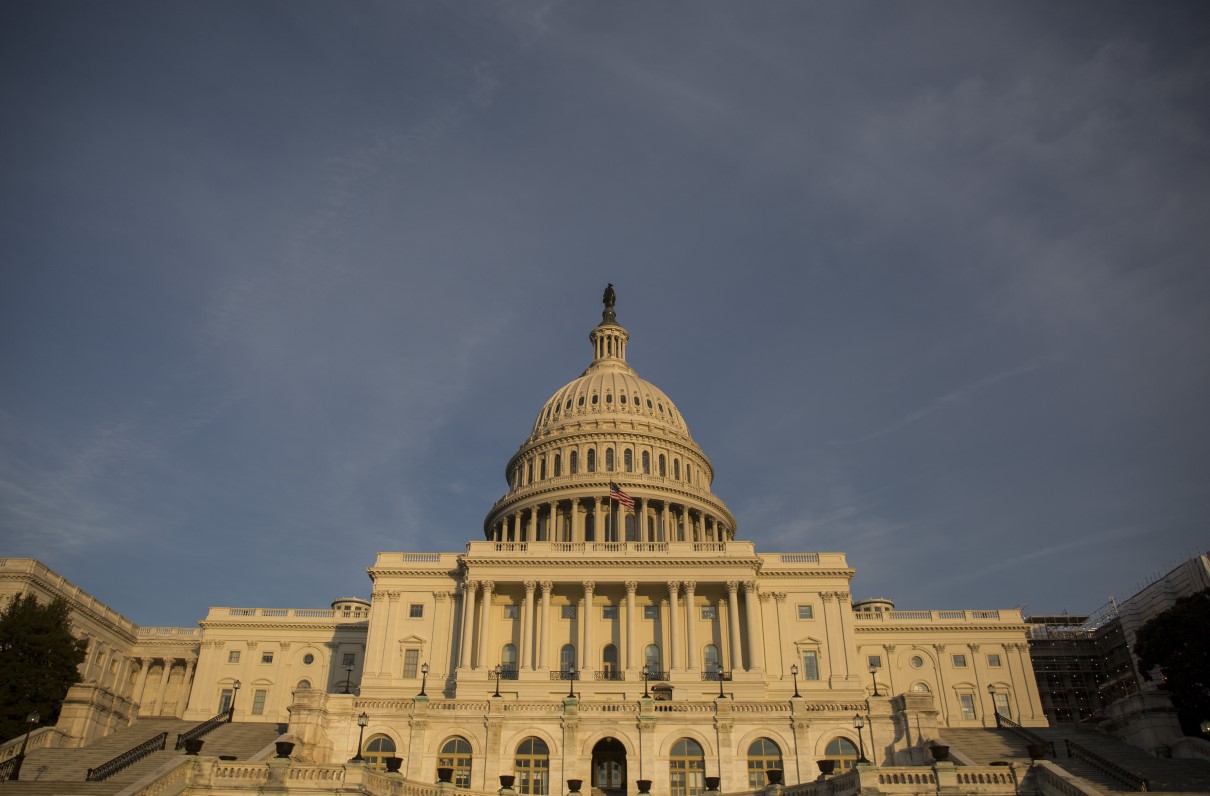
When the defense appropriations bill passed the House 221-209 on July 18, it became the second budget legislation to clear either chamber this fiscal season, behind the House’s VA and military construction legislation passed in June. To achieve full federal funding by Oct. 1, the House will need to pass 10 more budget bills, the Senate must pass a full dozen, differences in the bills must be resolved, and the president must sign them into law.
Since 1997, it’s been too much to ask.
For more than a quarter-century, Congress has relied on continuing resolutions (CRs) to keep the government running past the end-of-fiscal-year deadline. Lawmakers relied on a full-year CR in FY 2025 for only the fourth time since FY 2007.
[RELATED: Pay Raise, TRICARE Pilot Programs, and More: An Early Look at the FY 2026 NDAA]
For as long as Congress has struggled to meet its deadline, MOAA has worked to ensure lawmakers realize the damage caused by these CRs:
- Servicemembers and families wondering whether a federal shutdown will disrupt pay and services or deepen the financial strain already felt by many junior members.
- DoD and VA officials – often operating with reduced staff – diverting their energy from day-to-day operations to develop shutdown contingency plans and managing project delays caused by unclear budget rules and misaligned funds.
- Advocates seeking a path to secure the benefits for all who serve in a fiscally constrained environment … only to see billions wasted every time a new CR passes.
[RELATED: Bipartisan Bill Targets Staffing Gaps in Military Hospitals]
What’s Next
The process has become so familiar that D.C.-centric news outlets have already begun their shutdown coverage. And while there may be some time before the start of the new fiscal year, not all of that time will involve a legislative session: The House left for its summer work period early, the only August meeting set for either chamber is an Aug. 1 Senate session, and after returning to Capitol Hill on Sept. 2, both chambers are scheduled to be in recess the fourth week of September.
Talk of a CR likely would begin in earnest around that time, as lawmakers look to extend government funding beyond the deadline for appropriations legislation. Extensions are common: Congress has averaged nearly five CRs per year since FY 1998, and in that year, the single CR lasted 178 days.
MOAA will continue engaging with lawmakers to ensure they realize budget brinkmanship has consequences – uncertainty for those who serve and have served, and wasted time, money, and effort for those seeking to ensure a ready, resilient, efficient total force.
Keep up with the latest on the budget and other MOAA priorities by signing up at our Legislative Action Center.
When MOAA Speaks, Congress Listens
Learn more about MOAA’s key advocacy issues, and contact your elected officials using our messaging platform.