
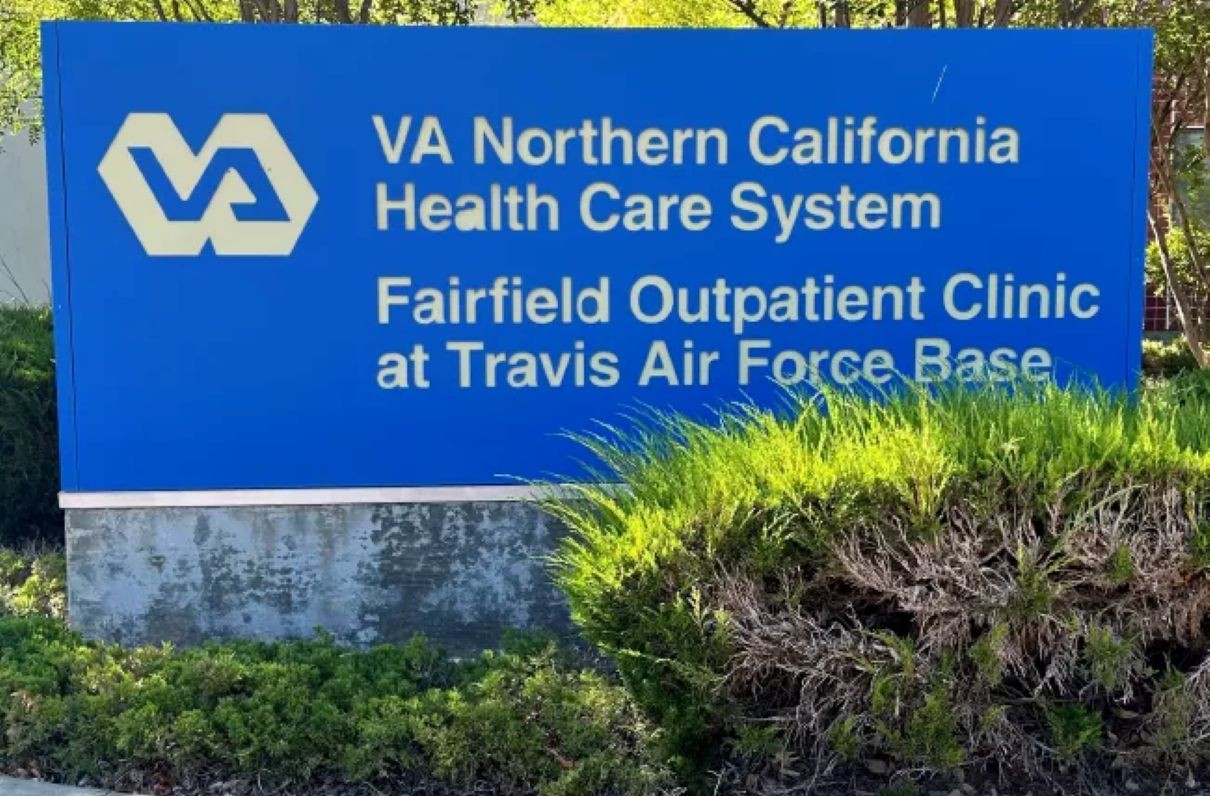
The VA and DoD health care systems are deepening their partnership to improve medical services and access to care for the more than 18 million veterans, military retirees, servicemembers, and families they serve each year. Through nearly 200 sharing agreements across the country, the agencies are working to bridge gaps in care by pooling resources, staff, and facilities.
A more integrated and efficient VA-DoD joint health system could mean faster access to high-quality care, fewer bureaucratic roadblocks, and better medical outcomes – the types of solutions that have been the hallmark of MOAA’s health care advocacy. Here’s a little more about how the cooperation is structured, and where there have been struggles so far.
Progress Through Collaboration
Interagency agreements allow VA and DoD facilities to refer patients across systems, share medical personnel, and jointly use clinical spaces. In some cases, DoD surgeons operate in VA facilities, while VA rents space on military bases for services like dental care — at a fraction of the cost of private leases.
[RELATED: Understanding DoD Health Care: 3 Dates That Shaped Your Benefit]
This collaboration not only improves access to specialty care but also reduces federal spending. Interagency reimbursements are typically 20% lower than payments to civilian providers, and shared use of underutilized space helps avoid costly infrastructure investments.
Persistent Barriers to Seamless Care
Despite these gains, a recent Government Accountability Office (GAO) review found logistical and technological barriers limit the effectiveness of these agreements. Veterans often face difficulty accessing care on military installations due to complex entry procedures. Additionally, the VA and DoD still operate separate electronic health record systems, forcing staff to duplicate documentation and increasing the risk of errors.
These challenges are compounded by broader issues within the VA’s own scheduling infrastructure. According to a separate GAO report, the VA relies on dozens of fragmented systems to manage appointments — many of which are outdated or difficult to use. Veterans report frustration with online scheduling tools, while VA staff struggle to navigate the complex system environment.
The VA has launched a modernization effort to overhaul its scheduling systems, but GAO found the project lacks a fully developed implementation plan and does not meet industry best practices. Without a comprehensive roadmap, the risk of delays and misalignment between VA offices remains high.
[RELATED: VA Disability Calculator Errors Cost Some Vets Thousands]
Call for More Coordinated Reform
To their credit, both the VA and DoD recognize these challenges and are working to address them. Joint task forces are tackling billing discrepancies and data-sharing limitations, and pilot initiatives are underway to streamline base access for eligible veterans.
For veterans, servicemembers, retirees, caregivers, families, and survivors, these health care reforms are more than policy – successful collaboration would mean better access to high-quality care. MOAA remains steadfast in its advocacy, pushing for solutions that honor the commitment made to those serving and who have served to ensure they receive the health care and benefits they have earned through service.
Get Help Navigating VA Benefits
Questions about VA benefits? Start here. PREMIUM and LIFE Members have direct access to our webinar archive with to-the-point information on everything from claims and appeals to concurrent receipt to home loans and more.