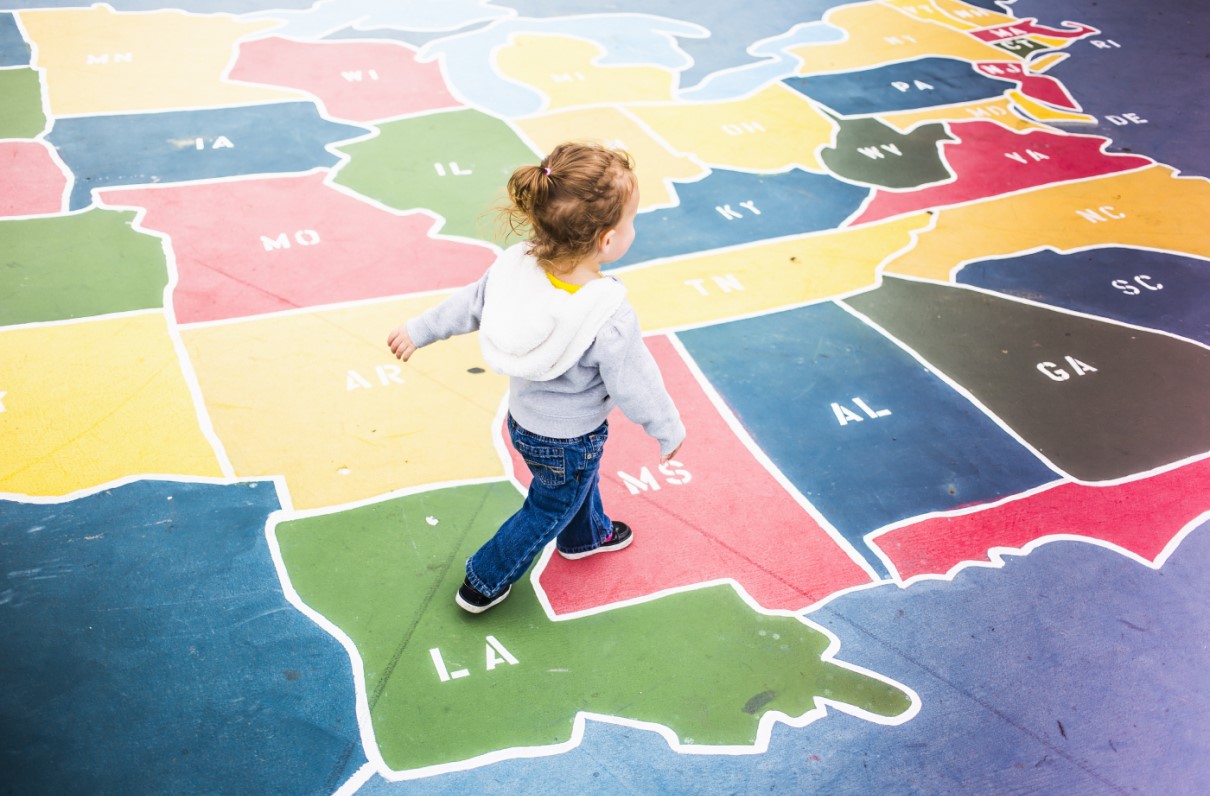
While most Americans live within 100 miles of where they grew up, moving to a new state every two to three years is commonplace for military families. These moves bring unique challenges impacting employment, education, community representation, and more.
The Defense-State Liaison Office (DSLO) was established in 2004 to address such challenges. DSLO staffers work directly with state policymakers to reduce barriers, improve quality of life, and ensure military families receive the support they need wherever they are stationed.
[TAKE ACTION: Ask Your Lawmakers to Support Military Spouse Employment]
The DSLO’s eight regional liaisons build relationships with state officials, provide data-driven recommendations, and share best practices to inform policy development. The office has an impressive track record: Since 2012, its efforts have contributed to the passage of more than 1,275 state laws, covering areas such as occupational licensing, consumer protection, child care, voting access, and education.
By focusing on the state level, the DSLO addresses critical needs influencing military readiness, family stability, and retention. Education policy, employment opportunities, and access to health care and child care are just a few areas where consistent, supportive policies make a significant difference for mobile military families.
2026 State Policy Priorities
Each year, the DSLO highlights specific areas where state action can have the greatest positive effect. For 2026, the group’s priorities reflect the continuing challenges military families face:
- Occupational Licensure Interstate Compacts: Ensuring military spouses, 35% of whom work in licensed professions, can transfer credentials seamlessly across states.
- Military Spouse Employment Preference: Allowing states to create hiring and procurement preferences to help reduce a stubborn 20% unemployment rate among spouses.
- Military Clause in Family Leave Laws: Guaranteeing family leave covers military-specific needs, such as deployments and training.
- Solutions for Military Homeschoolers: Expanding access to extracurriculars and JROTC programs, and simplifying homeschool requirements.
- State Exemption for Family Child Care (FCC) Homes: Exempting Pentagon-certified in-home providers from duplicative state licensing to expand availability and access for families.
- Support for Special Educational Needs: Ensuring timely services for military children with special needs following relocations.
- Education Policy Implementation and Information Enhancements: Improving state communication and implementation of policies for military-connected students.
- Open Enrollment Flexibility: Allowing military families to maintain consistent school placement despite frequent moves.
- Concurrent Juvenile Jurisdiction: Ensuring military-connected juveniles have access to state justice systems and rehabilitative services.
- State Response to Military Interpersonal Violence: Expanding access to protection orders and information sharing between civilian and military law enforcement.
- Military Community Representation on State Defense Councils: Ensuring military voices are included on state-level advisory bodies focused on the defense community.
[READ MORE: 2026 DSLO State Policy Priorities (PDF)]
State lawmakers have the opportunity to directly improve the lives of servicemembers and their families by addressing these issues. The DSLO remains a critical resource, providing expertise, data, and advocacy to help states enact solutions that strengthen both military readiness and family well-being.
MOAA’s State Legislative Exchange Forum frequently engages with members of the DSLO team to enhance their efforts by providing testimony, best practices, and advocacy at the local level. To take part in the Legislative Exchange Forum or join MOAA’s grassroots advocacy at the local level, find your local MOAA Chapter.
Want to Help Servicemembers in Your Community?
Learn how you can make a difference with your local chapter.