
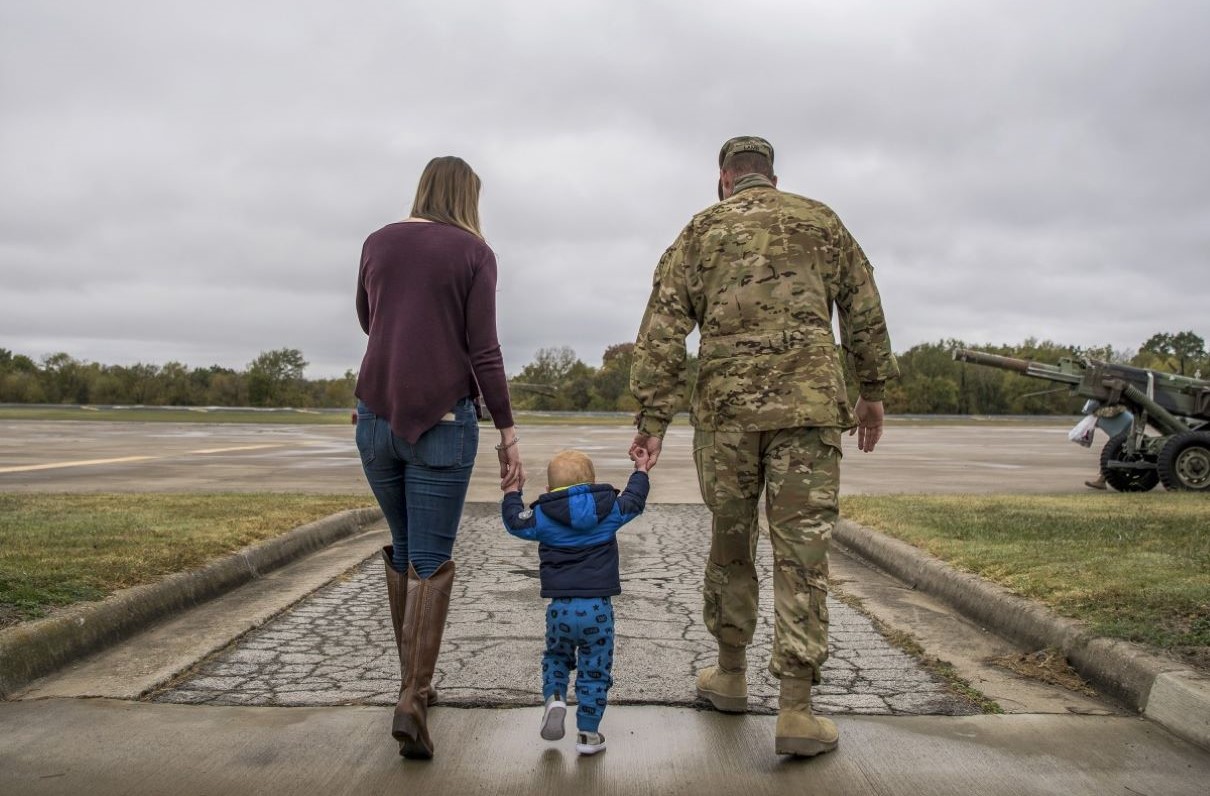
The 2024 Active Duty Spouse Survey (ADSS), recently released by DoD, offers a detailed snapshot of the realities faced by military families. While some metrics reflect resilience and adaptation, others raise concerns about the well-being and retention of the all-volunteer force.
Here’s a look at six major findings from the survey:
1. More Working Spouses: In 2024, 69% of civilian spouses reported being in the labor force, up from 64% in 2021. This uptick may reflect a growing need or desire for dual-income households amid economic pressures.
2. No Shift in Un/Underemployment Figures: Despite the increase in labor force participation, there was “no statistically significant change” in the spouse unemployment rate, which moved from 21% in the 2021 survey to 20% in 2024. The survey’s average underemployment score also stayed the same over that three-year span. This stagnation underscores the persistent challenges military spouses face in finding stable, career-advancing employment that accommodates frequent relocations, inconsistent child care options, and the unpredictable demands of military life.
[ACT NOW: Urge Lawmakers to Pass the Military Spouse Hiring Act]
3. An Uncomfortable Trend: Perhaps most concerning is the decline in financial comfort. Only 6 in 10 spouses said their financial situation is "comfortable," representing a 10-percentage-point drop from 2019. Rising housing costs, inflation, child care expenses, and employment instability likely contributed to this erosion of financial security within the community.
It’s important to mention the ADSS was fielded prior to a significant junior enlisted pay raise included in the FY 2025 National Defense Authorization Act; MOAA remains hopeful the targeted increase will help alleviate financial burdens for these families.
4. Retention Concerns: The survey also revealed a significant increase in the number of spouses who favor leaving the military: 32% of respondents expressed a preference for their servicemember to do so, a marked increase (up from 27% in 2021) that signals growing dissatisfaction or fatigue with the military lifestyle. Spouse sentiment is a key predictor of retention, and this trend may pose challenges for military leadership working to sustain force readiness.
5. Child Care Challenges: Access to affordable and reliable child care remains a barrier for many military families. Among the respondents who require child care, 53% reported using civilian providers without access to military child care fee assistance. This gap highlights the need to improve communication and promotion of DoD-supported child care options. The budget reconciliation bill, recently passed by the House, includes $100 million for military child care fee assistance to ensure funds are available for all families who request this benefit.
[RELATED: What the Proposed $1 Trillion Defense Budget Means for Servicemembers, Families, and Retirees]
6. Ending a Stigma: Amid these challenges, military spouses are showing increased resourcefulness when it comes to mental health. The survey found spouses are actively utilizing counseling services, demonstrating awareness and willingness to seek support in navigating the unique stresses of military life. This is a promising sign of cultural shifts around mental health and the value of accessible, stigma-free counseling options.
The 2024 ADSS paints a complex picture of a spouse community striving to adapt and to support families but facing persistent challenges. Its findings underscore the importance of improving employment opportunities, financial stability, child care support, and family well-being to strengthen the future of the all-volunteer force.
Military and veteran families can help MOAA and all military and veterans service organizations by participating in surveys that provide a deeper look into the experiences of all members of our uniformed services community. Start today by taking Blue Star Families’ 2025 annual Military Family Lifestyle Survey.
Support Military Spouses
Donate to The MOAA Foundation and support MOAA’s efforts to help military spouses in their career journeys.