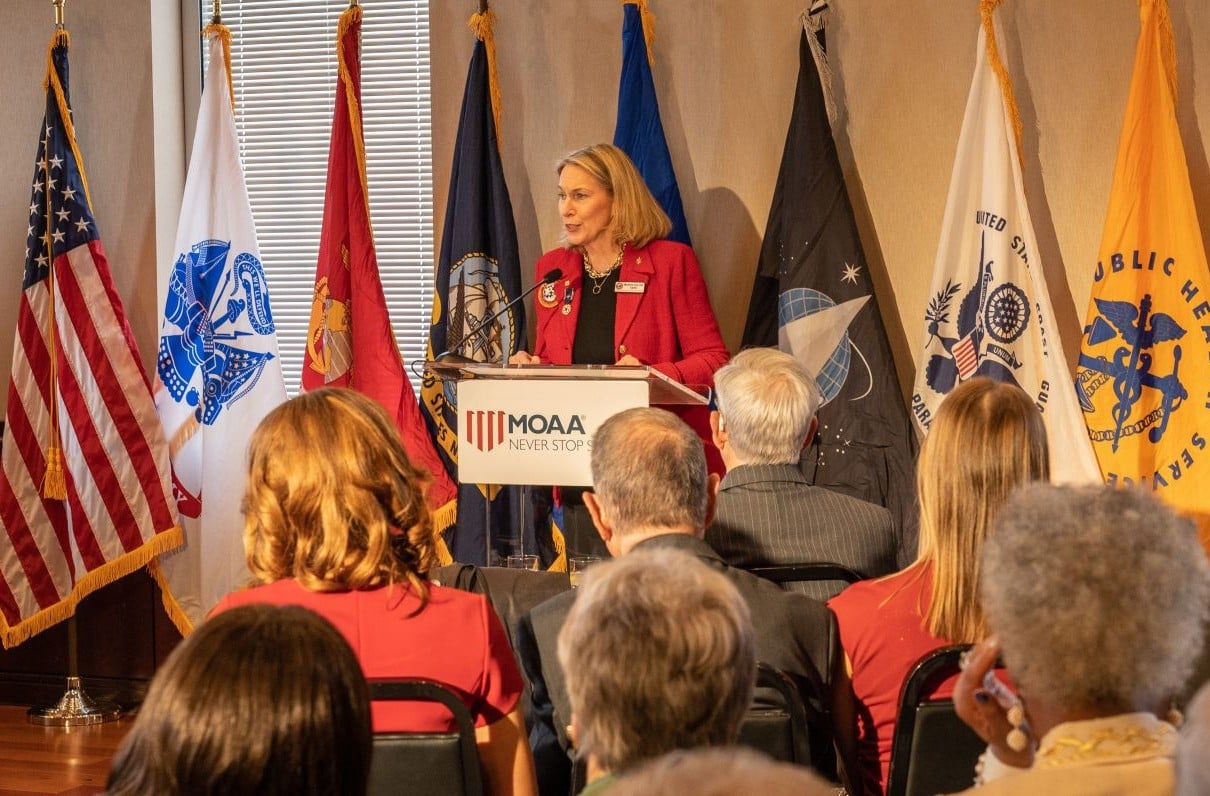

When a servicemember passes away, their surviving spouse is often left with limited benefits. One of the toughest rules is that if the surviving spouse remarries before age 55, they immediately lose all their benefits. This is an added burden for a group that’s already struggling.
The private sector views the same situation through a very different lens, and some advocates are pushing for new laws, such as the Love Lives On Act, to update the rules and make them more equitable. They believe that since military families make so many sacrifices, they shouldn’t have to make more, and that it’s just not right that surviving spouses must choose between getting remarried and losing their benefits or remaining unmarried to keep their benefits.
[TAKE ACTION: Ask Your Lawmakers to Support the Love Lives On Act]
For many surviving spouses, the decision to remarry carries financial consequences that can affect long-term security. These policies were written decades ago, based on assumptions that no longer reflect the realities of today’s military families.
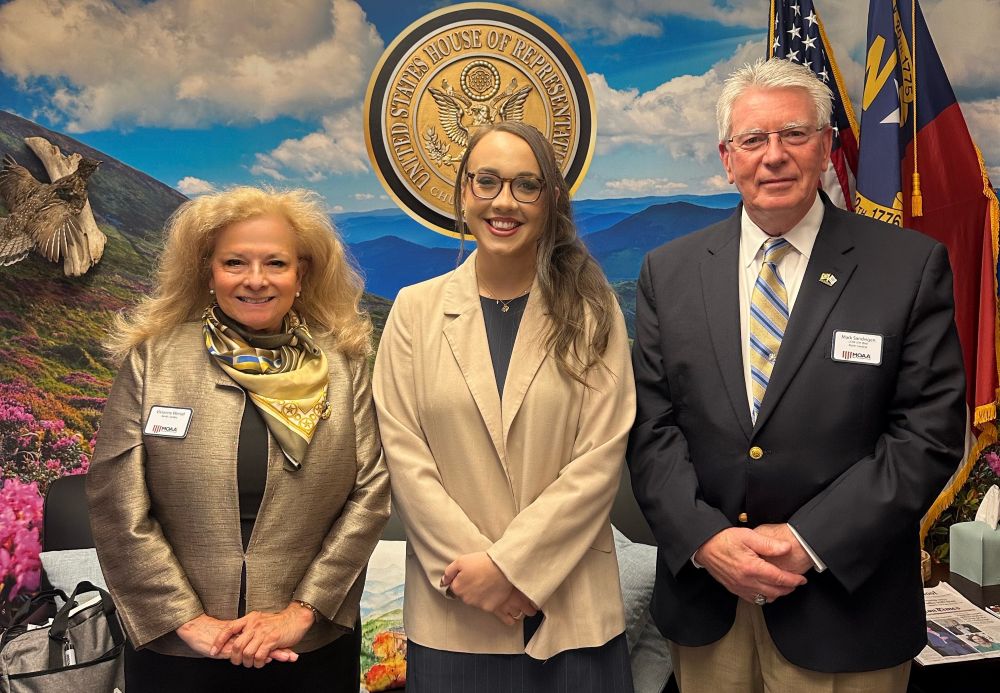
From left, MOAA Surviving Spouse Advisory Council member Dr. Vivianne Wersel, Legislative Director Monika Konrad of the office of Rep. Chuck Edwards (R-N.C.), and Lt. Cmdr. Mark Sandvigen, USN (Ret), secretary of MOAA’s Coastal Carolina Chapter, pose during MOAA’s Advocacy in Action event on Capitol Hill in Washington, D.C., on April 15. (Courtesy photo)
Several legislative proposals aim to fix these unfair issues and provide better support to survivors and caregivers. Various bills have been introduced to address these problems:
The Caring for Survivors Act of 2025 (H.R. 2055 | S. 611) would restore and improve survivor benefits affected by outdated eligibility rules, ensuring spouses are not penalized as they rebuild their lives. It would also strengthen Dependency and Indemnity Compensation for surviving military families by aligning it with other survivor programs. The legislation seeks to increase monthly survivor compensation and reduce the current 10-year disability requirement to five years, expanding eligibility for many surviving spouses.
The Love Lives On Act of 2025 (H.R. 1004 | S. 410) addresses one of the most significant concerns among surviving spouses: the loss of Dependency and Indemnity Compensation and the Survivor Benefit Plan upon remarriage before age 55. This legislation would allow surviving spouses to retain their benefits regardless of remarriage.
The Veteran Caregiver Reeducation, Reemployment, and Retirement Act (S. 879) focuses on caregivers who leave the workforce to support wounded, ill, or injured servicemembers, helping protect their long-term financial and retirement security.
[TAKE ACTION: Ask Your Lawmakers to Honor Veteran Caregivers]
The Sharri Briley and Eric Edmundson Veteran Benefits Expansion Act of 2026 (H.R. 6047) seeks to expand eligibility and access to benefits, addressing gaps that have left some families without adequate support.
Progress is being made with these bills. MOAA is still working hard with lawmakers to get people on board, build support, and get these proposals to the next level.
When someone serves in the military, it’s not just that person who sacrifices; their whole family does, too. Those left behind when a servicemember passes away should not have to choose between moving on with their lives and remarrying or staying “single” to retain their benefits. They deserve the opportunity to maintain the benefits they earned alongside their servicemember, since their loved ones gave so much to their country. We need to keep pushing for change to make a real difference. Working together, we can ensure that families who have served are treated fairly and with respect and receive the help they need.
[RELATED: Apply to Join MOAA’s Surviving Spouse Advisory Council]
Send Us Your Feedback
We’d love to hear from you. Please let us know if this article was helpful by sending an email to sscomm@moaa.org.