
This article by Patricia Kime originally appeared on Military Times, the nation's largest independent newsroom dedicated to covering the military and veteran community.
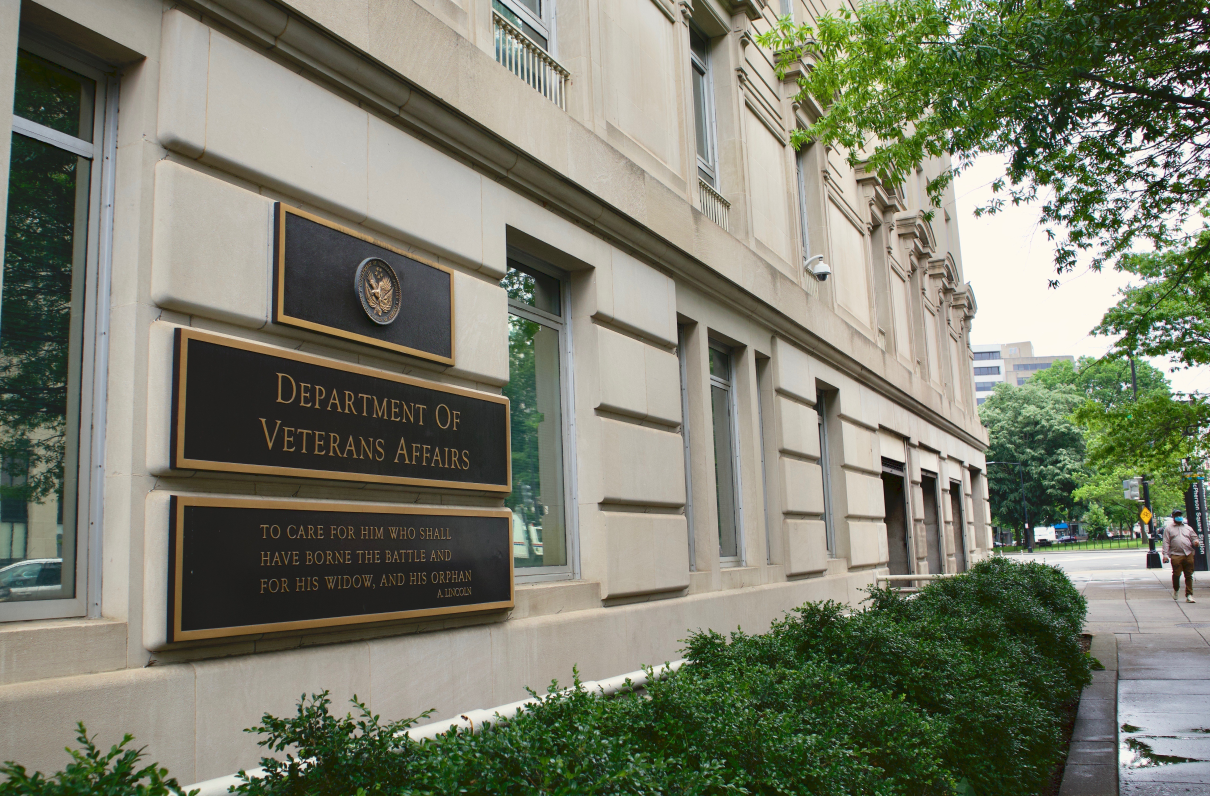
The Departments of Veterans Affairs and Health and Human Services signed an agreement Monday to increase coordination on research into psychedelic drugs for treating veterans’ mental health disorders.
Under the new memorandum of understanding, VA and HHS plan to increase clinical trial participation, train therapists, nurses and doctors to administer psychedelic medications if they receive federal approval and collect data and evidence to support patients, physicians and federal regulators in considering such treatments.
The agreement follows an executive order signed in April by President Donald Trump that directed the Food and Drug Administration to accelerate its review of several psychedelic treatments for mental illnesses.
The order largely addressed research for ibogaine, a hallucinogen derived from an African shrub, that some veterans have found helpful in ameliorating anxiety, PTSD and depression symptoms. It commits at least $50 million to increase research on ibogaine therapy.
[MORE ON IBOGAINE: The Medicine That Brought Him Home]
Studies on PTSD in the general population have shown that a third may be resistant to traditional treatments, with up to 50% not responsive to psychological therapy and 40% untreatable with common medications.
An estimated 4.8 million American veterans have used psychedelic drugs, according to a study released last month by the think tank RAND.
Included in Monday’s message was the announcement that the VA signed an agreement with the Food and Drug Administration to increase collaboration to support the development of therapies for treating serious mental health conditions.
“President Trump opened up a world of possibility for treating veterans and others with mental health conditions, and VA is proud to be part of this important work,” VA Secretary Doug Collins said in a statement. “Today’s MOU ensures effective cooperation with HHS as we try to turn research into life-changing treatment.”
[RELATED: Some Disabled Veterans Qualify for Free TSA PreCheck]
VA researchers are involved in more than 20 research trials on the use of psychedelics like MDMA and psilocybin for treating severe post-traumatic stress disorder, depression, substance abuse and other mental health conditions.
Studies also are underway in the Defense Department: a $4.9 million research study is ongoing at Walter Reed National Military Medical Center in Bethesda, Maryland, on the effectiveness of MDMA — known commonly as Molly or Ecstasy — for the treatment of mild to moderate PTSD.
According to RAND, the most common hallucinogens used by veterans across their lifetimes were LSD, with 19.6% reporting its use, followed by psilocybin, or magic mushrooms at 18.6%, MDMA and mescaline, both at 7.7%.
Fewer than 2.9% reported using another type of hallucinogenic drug such as ibogaine, ketamine or ayahuasca.
The study also found that veterans were more likely to support the legal use of psilocybin mushrooms and LSD — 23% for mushrooms and 11% for LSD — but support for MDMA, at 9%, was about the same as the rest of the country.
[RELATED: MOAA Stresses Need for Clear Veterans Strategy in Senate Testimony]
Ron Adkins, an Army Reserve intelligence analyst and veterans advocate who deployed twice to Afghanistan, was on hand Monday for the MOU signing. He said the significance of the agreement lies in exploring new approaches to “the complexity of mental illness.”
“The cognitive space is a very complex environment. We are all very different people, so the treatments that might work very well for one person could be wholly ineffective for another,” Adkins said in an interview with Military.com. “I’m hoping we get better answers on what is effective for [veterans] trying to figure this out.”
U.S. veterans have traveled to Israel, Mexico and elsewhere in the past decade to receive psychedelic treatment for mental health disorders, often paying thousands of dollars out of pocket for the promise of relief.
Adkins said that should not happen.
“We need to continue to innovate as we as a nation does,” Adkins said.
[SERVICE AND ADDICTION: Understanding Pathways to Recovery]
In 2024, the FDA rejected a request that MDMA be approved for treating PTSD in adults, saying more research was needed to determine its safety and efficacy. The VA is conducting such a study in Providence, Rhode Island, with 80 veterans, comparing MDMA-assisted therapy for PTSD and substance use with a placebo.
VA officials say while the department is studying treatments that use Schedule I drugs prohibited in the U.S. under federal law, veterans are discouraged from self-medicating with these substances or replacing their medical treatment with unprescribed substances.
“Proven, evidence-based treatments, are currently available at VA facilities to treat veterans with mental health conditions. Veterans should always consult their health care providers before making any treatment decisions,” officials said in a press release.
Other articles by Military Times:
Sea drones strike Iranian port in combat first for US
Retired Army officer tapped to lead military commissary system
B-21 Raider to fly with two-pilot configuration
Get Help Navigating VA Benefits
Questions about VA benefits? Start here. PREMIUM and LIFE Members have direct access to our webinar archive with to-the-point information on everything from claims and appeals to concurrent receipt to home loans and more.