
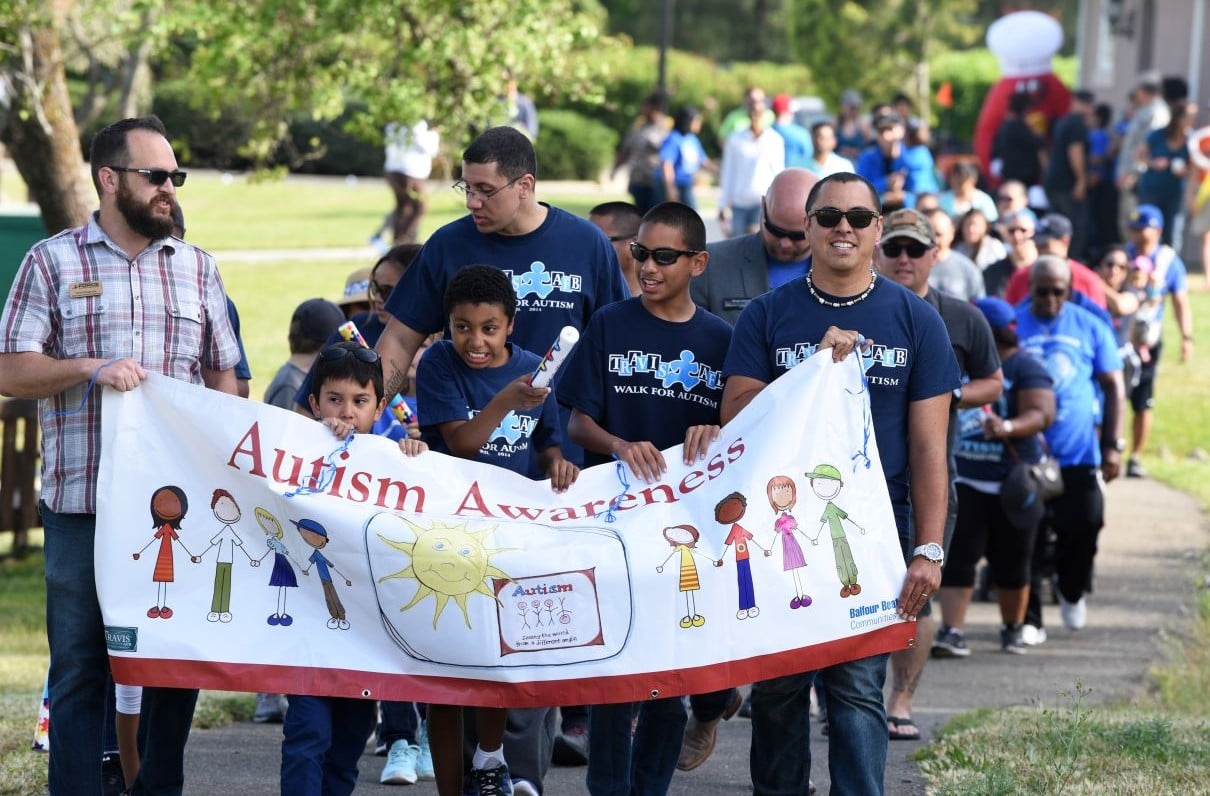
Momentum is building on Capitol Hill to improve TRICARE’s coverage of autism care.
“Our military families, especially those with autistic children or children with other developmental disabilities, are entitled to receive the best possible care,” Sens. Kirsten Gillibrand (D-N.Y.) and Eric Schmitt (R-Mo.) wrote in a recent letter to Pentagon leaders, calling on them to provide comprehensive applied behavior analysis (ABA) services to TRICARE beneficiaries diagnosed with autism.
ABA is an evidence-based behavioral therapeutic approach that has become a standard of care for many autistic individuals.
[TAKE ACTION: Ask Your Lawmakers to Improve TRICARE Coverage of Autism Care]
“By refusing to provide ABA therapy as a basic medical benefit, TRICARE is failing our service members and forcing overwhelmed families to navigate a frustrating bureaucratic maze just to secure limited life-changing care,” Gillibrand said in a press release announcing the letter. “The Defense Health Agency must dismantle these restrictive barriers immediately and permanently authorize full ABA therapy as a basic TRICARE benefit and adopt all of the NASEM recommendations to ensure autistic children of service members receive the full care they need.”
The letter cites an independent analysis by the National Academies of Sciences, Engineering, and Medicine (NASEM) which assessed TRICARE’s Autism Care Demonstration (ACD). The MOAA-supported report recommends authorizing ABA as a TRICARE basic benefit, among numerous other improvements to autism care.
Challenges with TRICARE’s coverage of ABA were also highlighted in a recent NBC News report on a military family’s fight to secure coverage for their young son’s autism care.
“Since 2021, military families have struggled to access critical care for their children with autism, and by removing ABA therapy as a basic medical benefit under TRICARE, DHA has put undue burdens on service families,” Schmitt said in the release. “Implementing the NASEM recommendations will help better serve our military families and ensure they have options for care for their children with autism.”
[RELATED: NDAA Draft Would Reverse Planned Cuts, Closures at 41 Military Hospitals and Clinics]
The FY 2027 National Defense Authorization Act may also address ACD concerns. The House Armed Services Committee’s version of the annual bill includes a provision with Pentagon report requirements detailing progress on implementing NASEM recommendations. Increased congressional oversight is key to ensuring TRICARE follows through on ACD reforms.
While these developments represent meaningful progress, lasting change will require sustained attention from Congress and TRICARE leadership. Please join MOAA in urging elected officials to support the committee’s provision as the NDAA process moves forward. Enhanced reporting and oversight are essential to achieving full implementation of the NASEM recommendations and improved access to autism care for military families.
When MOAA Speaks, Congress Listens
Learn more about MOAA’s key advocacy issues, and contact your elected officials using our messaging platform.