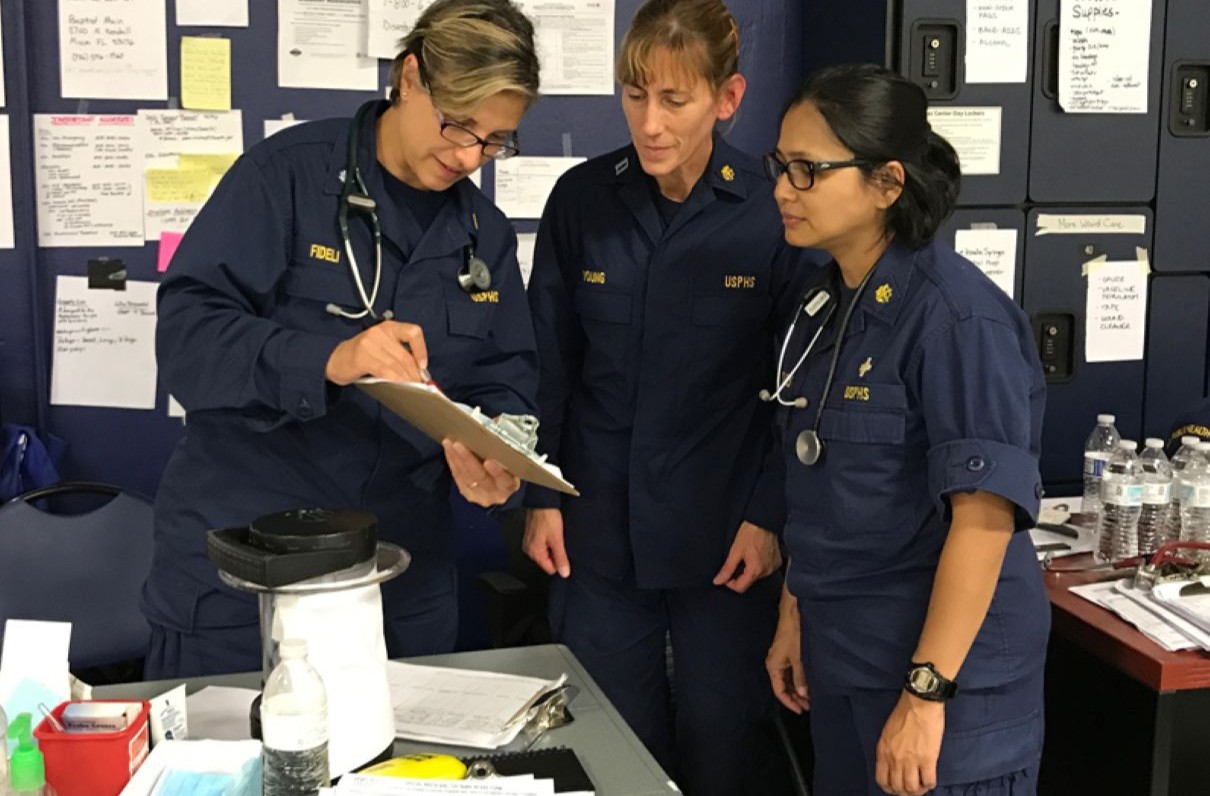
Retirement pay and survivor benefits earned through a career in uniform should arrive on time, regardless of federal funding lapses. While armed services retirees and survivors have such protections, MOAA is leading an effort to ensure Congress expands them to the U.S. Public Health Service Commissioned Corps and the NOAA Commissioned Officer Corps.
MOAA led a Nov. 3 letter signed by 19 organizations urging leaders on both the House and Senate Armed Services committees to retain the Pensions for Retired Uniformed Servicemembers Act provision in the final FY 2027 National Defense Authorization Act (NDAA). The provision, incorporating H.R. 8732 and adopted as Amendment 46 in the House-passed NDAA, would move USPHS and NOAA retirement obligations into the Military Retirement Fund (MRF).
[READ THE LETTER | CONTACT YOUR LAWMAKERS]
“The legislation does not create a new benefit, increase retired pay, or expand eligibility,” the letter states. “It ensures consistent, uninterrupted payment of an existing obligation, and would do so without increasing federal spending.”
The coalition’s appeal reinforces an Oct. 20 bipartisan, bicameral congressional letter making the same request. Signers included Sens. Ben Ray Lujan (D-N.M.) and Thom Tillis (R-N.C.), along with Reps. Jamie Raskin (D-Md.) Don Bacon (R-Neb.), Maxine Dexter (D-Ore.), and August Pfluger (R-Texas).
“No retired member of the uniformed services should have to wonder whether a government funding lapse will delay the retirement pay they earned through decades of service,” the lawmakers wrote to the committee leaders.
Together, the letters deliver a clear message: Congress should close the gap in retirement pay protection across the eight uniformed services.
Parity for All Retirees and Survivors
USPHS and NOAA officers serve the nation through public health emergencies, disaster response, and other critical missions. Yet their earned retired pay is vulnerable to interruption during a government shutdown.
The difference lies in the funding source. USPHS and NOAA retirement payments depend on annual appropriations to the departments of Health and Human Services (HHS) and Commerce. Armed forces retirement benefits, including those earned by Coast Guard retirees, are paid through the MRF, which remains available during funding lapses.
That distinction had real consequences during the 2025 government shutdown. As the coalition letter explains, USPHS and NOAA retirees and eligible Survivor Benefit Plan beneficiaries experienced delays in two scheduled payments. They eventually received the full amounts owed, but back pay could not erase the uncertainty faced by these families.
Mortgage payments, grocery bills, and other financial obligations do not pause when government funding expires. Retirees and survivors across all eight uniformed services deserve the same assurance that earned benefits will arrive when expected.
[RELATED: What Does the Dec. 11 Budget Deadline Mean for Military Pay?]
Established Precedent
Lawmakers have addressed this issue before. The FY 2021 NDAA moved Coast Guard retirement obligations into the MRF, with the change taking effect at the beginning of FY 2023. That reform brought Coast Guard retirement funding into alignment with the other armed services.
The NDAA amendment would extend that established approach to USPHS and NOAA retirees and survivors. Under the approach outlined in the coalition letter, HHS and Commerce would make actuarial contributions to the MRF to fund retirement obligations for USPHS and NOAA officers.
Finish the Job in this Year’s NDAA
Passage as part of the House NDAA was an important step, but the provision must remain in the final negotiated FY 2027 NDAA to become law.
MOAA and its fellow signatories are urging congressional leaders to preserve this practical fix and complete the work Congress began with Coast Guard retirees. Protecting earned retirement benefits from funding lapses should be a shared commitment to everyone who has served a career in uniform.
MOAA members can reinforce that message by contacting their lawmakers and urging them to retain the Pensions for Retired Uniformed Servicemembers Act provision in the final FY 2027 NDAA.
When MOAA Speaks, Congress Listens
Learn more about MOAA’s key advocacy issues, and contact your elected officials using our messaging platform.