
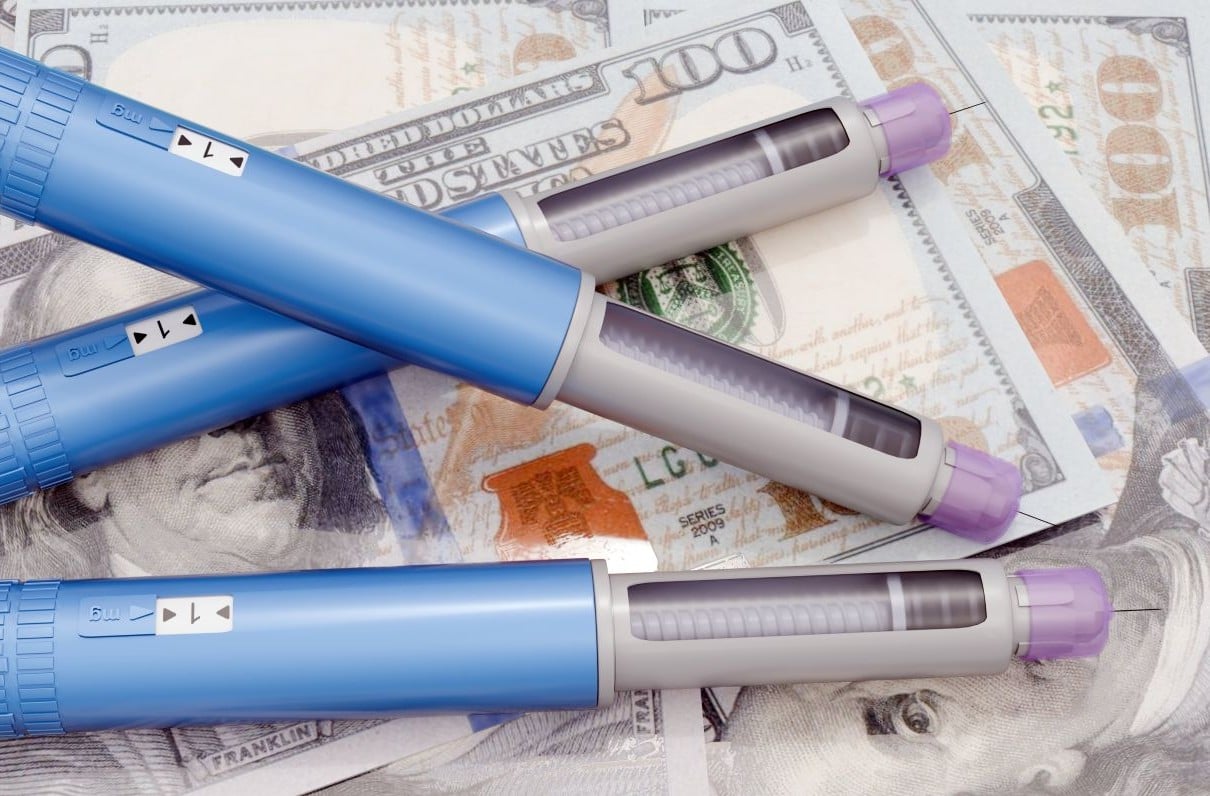
MOAA President and CEO Lt. Gen. Brian T. Kelly, USAF (Ret), and members of MOAA’s Government Relations team met with senior military health system (MHS) leaders last month and urged them to reconsider the decision to revoke TRICARE For Life (TFL) coverage of some GLP-1 drugs.
MOAA requested the meeting after the White House announced agreements with pharmaceutical manufacturers Eli Lilly and Co. and Novo Nordisk to dramatically reduce the prices of GLP-1 drugs that help adults struggling with diabetes, heart disease, obesity, and other medical conditions.
TRICARE will benefit from the administration’s newly negotiated lower prices for GLP-1 medications, Pentagon officials said. They indicated analyses are underway to determine how these reduced prices may affect the Defense Health Program budget and TFL coverage policy moving forward.
Kelly emphasized the extraordinary levels of engagement and outreach from both impacted patients who have lost GLP-1 coverage and other beneficiaries who fear future cuts to the retiree health care benefit. More than 600 TRICARE beneficiaries have contacted MOAA to share their feedback on the MHS decision to revoke coverage of certain GLP-1 drugs from TFL beneficiaries.
Share Your Story
MOAA’s advocacy relies on the testimony and experiences of servicemembers and families impacted by changes to TRICARE policy. Have you, or someone you know, been affected by this change in TRICARE For Life coverage? Please share your story through Legislative Action Center at the link below.
Under the administration’s new pricing framework, Medicare costs for Ozempic, Wegovy, Mounjaro, and Zepbound will be $245, less than half the previous cost. State Medicaid programs also will have access to these medications at these prices. Lower negotiated prices for Medicare and Medicaid patients may prompt expanded access through pilot programs as early as this spring.
For Medicare patients, pilot program coverage of GLP-1 medications will be under Medicare Part D prescription drug plans.
[RELATED: Medicare, TRICARE Price Increases and Tax Changes for 2026]
Before the Aug. 31, 2025, policy change that revoked GLP-1 coverage for TFL, beneficiaries who met stringent prior-authorization criteria — including documented comorbid conditions such as hypertension, sleep apnea, or metabolic dysfunction — could be approved for GLP-1 medications. TRICARE Prime and Select users retain this coverage with prior authorization, and all beneficiaries still receive GLP-1 coverage when the drug is prescribed for Type 2 diabetes.
MOAA continues to be a steadfast advocate for restoring GLP-1 coverage under TFL. Creating separate pharmacy tiers for TRICARE and TFL beneficiaries sets a troubling precedent that could weaken the promise of lifelong earned benefits and is inconsistent with congressional intent for TFL and the TRICARE pharmacy program.
As MOAA continues its advocacy, we encourage affected beneficiaries and their families to share their stories and engage through MOAA’s Legislative Action Center to support efforts to restore full GLP-1 coverage for TFL beneficiaries.
Have More Questions About Your Health Care Benefit?
MOAA's TRICARE Guide answers some commonly asked questions.