
Servicemembers volunteer to wear the uniform fully aware that their duty may one day require the ultimate sacrifice. They accept this risk believing and trusting that if that day comes, their families will be financially protected and supported after they are gone.
Our government reinforces this commitment through the benefits provided to surviving spouses immediately following a loss, signaling that the nation stands behind those left to carry on. This promise allows those in uniform to focus on the mission, confident that their spouse and family will be financially protected even if they are no longer physically present.
Unfortunately, what few active duty servicemembers and their families realize is that if the ultimate sacrifice is required, the earned benefits servicemembers left their family are conditional – the surviving spouse may not remarry before age 55 without losing significant financial benefits.
[TAKE ACTION: Ask Your Lawmaker to Support Surviving Spouses]
This policy seriously harms surviving spouses, especially those with young children. It forces them to make an impossible decision – do they give up the financial benefits their deceased servicemember earned for their family and reestablish the family unit, or do they remain single and keep that financial security for their kids?
Transforming a strong family unit into a single parent household overnight, then financially incentivizing the surviving spouse to remain single, is NOT indemnity. Indemnity does not have an age restriction: It is intended to “compensat[e] a person for damages or losses they have incurred due to a specified accident, incident, or event.” This payment is owed by the government to the surviving family because of its liability in the loss of the servicemember’s life.
The Love Lives On Act of 2025 would ensure the government takes ownership of its long-term financial obligations to surviving families when it makes the decision to send servicemembers into high-risk situations that cause them to lose their life. A surviving family is never the same after the loss of a servicemember, and the surviving spouse’s marital decisions should never be factored into the debt owed by the government for placing that servicemember in harm’s way.
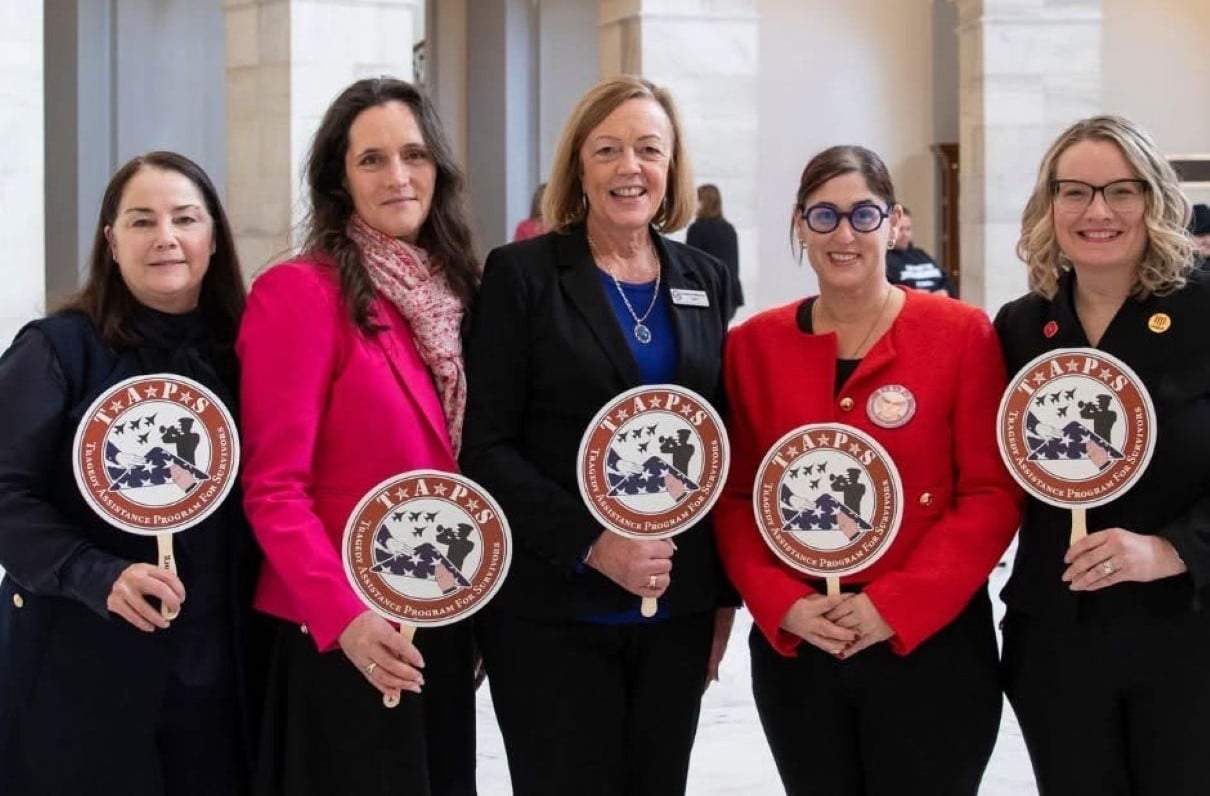
MOAA stands with the Tragedy Assistance Program for Survivors (TAPS) and surviving spouses across the nation to advocate for the passage of the Love Lives on Act of 2025 (H.R. 1004 | S. 410), which ends this remarriage penalty. Please join us in asking your lawmakers to support this long-overdue bill.
Surviving Spouse Resources From MOAA
Legislative updates. Ways to connect with other surviving spouses. Information about your benefits. Bookmark this page today.