
A mother of two boys and wife of an Army aviator, Crystal DeVoss Mahany’s oldest son was diagnosed with a rare speech disorder and autism in 2014. Two years later, her youngest was diagnosed with the same speech disorder.
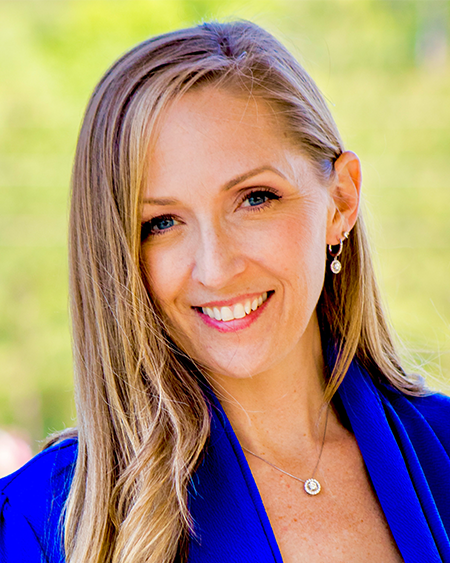 Now, in her role at the nonprofit Partners in PROMISE, she is pushing to advance education policy and disability rights.
“We know military families have a strong sense of duty and service. The ability to dutifully serve the United States is best done with the strength of their family, who might have some unique needs that require specialized supports,” she told MOAA. “Partners in PROMISE aims to support the specialized needs of those families, which ultimately improves their ability to serve.”
She sat down for an interview ahead of TotalForce+, MOAA’s inaugural, people-focused conference taking place Oct. 28-29, where she will speak about advocacy efforts on behalf of individuals with disabilities. This interview was edited for length and clarity.
Q. For families in the military community with children who have special needs, what challenges need to be addressed?
A. The kinds of challenges military families with children with disabilities experience are quite vast. One family’s needs vary greatly from another.
Families need increased collaborative support from services provided by the Pentagon. Some of the difficulty lies in fully understanding the needs based on their experiences. The way to get that information is through increased research, which then informs policy.
My advice to families is to stay vigilant and organized. We all get bogged down with the stressors of life, but investing up front and keeping your medical and educational records organized can go a long way. Instead of delaying that task, just commit the time to do it.
[RELATED: Take the Partners in PROMISE Special Education Survey]
Secondly, engage in the processes that are designed to help the experience. If something isn’t working, be part of the solution. If there’s a barrier, identify it so the stakeholders can fix it. Engage in improving the systems, like participating in Partners in PROMISE studies and surveys that are aimed to improve those systems and services.
[RELATED: Here’s How State-Level Support Improves Quality of Life for Military Families]
Q. How can others support the special education community?
A. One of the most effective ways that educators and community leaders outside of the military can help support military families is to ask us what we need. Just invite us to the table.
Q. What’s the next big project Partners in PROMISE has planned?
A. We are fielding our 2025 survey, which is extremely exciting. We dive into the military-connected families’ experience for those who have children with disabilities: How are things going? What is working? What has and hasn’t helped families with PCS transitions? What is the family’s experience with the Exceptional Family Member Program?
[Due to how individual states track students], the military, the Pentagon, even nonprofit organizations that survey military families like Partners in PROMISE — we cannot track educational progress [for military children]. So we have to do these periodic surveys to capture that data.
We will also dive into twice-exceptional children — children with a disability who are also gifted. We haven’t explored that community before.
We’re going to dive into [homeschooling] again in our 2025 survey. We want to know what is helpful about this track, how it is beneficial to the family and helps meet the children’s educational needs.
Partners in PROMISE aims to help identify the barriers and the needs of this specialized population and ensure they are included when stakeholders and policymakers are having discussions about the whole military population.
Resources for Currently Serving Officers
MOAA can help you succeed in your military career and beyond.