 You’re human — you’re busy, and that impacts your performance.
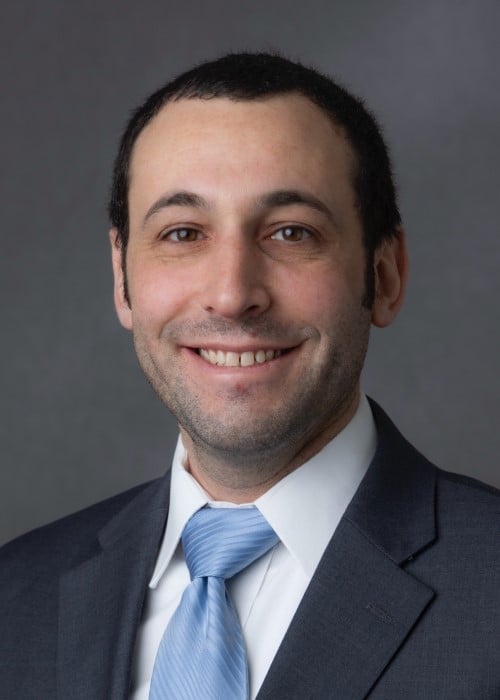
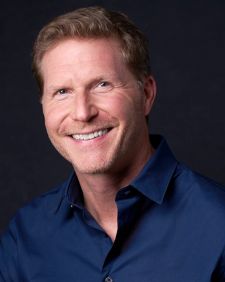
Enter Impact Human Performance, where Dr. Kevin Kachin helps people like you be their very best by intentionally taking the time to recover throughout each hectic day. As the company’s chief strategy officer, he indirectly supports training programs across the Pentagon that focus on stress and recovery as well as leadership development.
Kachin is speaking at MOAA’s upcoming TotalForce+ conference, which will take place Oct. 28-29 in National Harbor, Md. During the panel, he’ll offer practical tools to help individuals manage energy, sharpen focus, and build resilience in high-pressure environments.
He recently spoke with MOAA about the importance of having the military and veteran communities join with government and industry stakeholders to find opportunities to support current and former servicemembers.
This interview was edited for length and clarity.
Q. What piqued your interest about TotalForce+?
A. It was our work with the Pentagon. We've worked with the Air Force, Space Force, Marines Corps, and multiple agencies, as well as with individual servicemembers, civilian leaders, and their spouses. Seeing how leaving the military impacts not only the individual but also family members motivates us to help them work through the stress and implement recovery. We want to help people understand there are practical, easy-to-implement strategies they can use while on active duty, in coordination with their families, and when transitioning to civilian life. TotalForce+ is going to bring all those groups together and get them talking.
At TotalForce+, I’ll focus on three key things:
- Everybody gets stressed, but they're not following up with intentional recovery. We're going to focus on, first, helping people clarify who they are at their best.
- Second, we're going to develop a common language around the concept of emotional regulation.
- Third, and probably the most important, is understanding the concept of intentional recovery. People often view recovery as something they're going to do in the future when they get a good night's sleep, a weekend, or a vacation. Those are forms of recovery, but there are many practical things folks can do; we teach them how to take “micro-breaks” for recovery during the course of their busy day when they have little to no time. It's about understanding you can perform intentional recovery in as little as 10 seconds in addition to longer time frames.
[SPEAKER SPOTLIGHT: Why Troops Should Be ‘Treating Food Like a Weapon System’]
Q. What's the importance of servicemembers having a sense of purpose? How might that impact readiness?
A. We don’t view “purpose” as just a high-level thing you need to find and then lean into as often as possible. We find people often struggle with doing that, and then it becomes a source of stress or anxiety.
We view “purpose” as a process of how you find more meaning and joy in your day-to-day life. Whether it involves interactions with family or mission-critical decisions at work, ask yourself: How am I starting to find more meaning and joy in doing those things each day? By doing that, people connect more to their daily activities, no matter how intense or how mundane. In getting more connected to your day-to-day routine, you find more readiness and more energy for the mission-critical stuff that matters.
[MOAA ONLINE EVENT SERIES: Dare to Dream]
Q. What advice do you have for those wanting to transition from uniformed service into the public or private sector?
A. What we've seen during transitions is people get overwhelmed because of uncertainty. The first step is to be clear about who you are at your peak performance and what are the situations or experiences where you are naturally at your best. Understand your strengths and interests. Then align all of that with opportunities.
Step two is using opportunities like TotalForce+ to network and seek an informal civilian mentor — not necessarily a military leader, but someone who has made that transition. Who do you look up to? Who could be a good source for information so you're more prepared and there’s less uncertainty?
[RELATED: American Corporate Partners Veteran Mentoring Program for MOAA Members]
Q. Impact Human Performance touts science-backed strategies to help clients. What’s the importance of using science to improve the well-being and readiness of America’s all-volunteer force?
A. Using science takes the guesswork out of things. You have techniques that have been validated. We have to start from the science first. Then it's a matter of personalizing training and giving the individual an experience around strategy or technique. So science gets us in the door, but our job is to introduce the strategies, help folks experience them, and then work with them to see how they can practically implement strategies into their daily routines.
Resources for Currently Serving Officers
MOAA can help you succeed in your military career and beyond.