
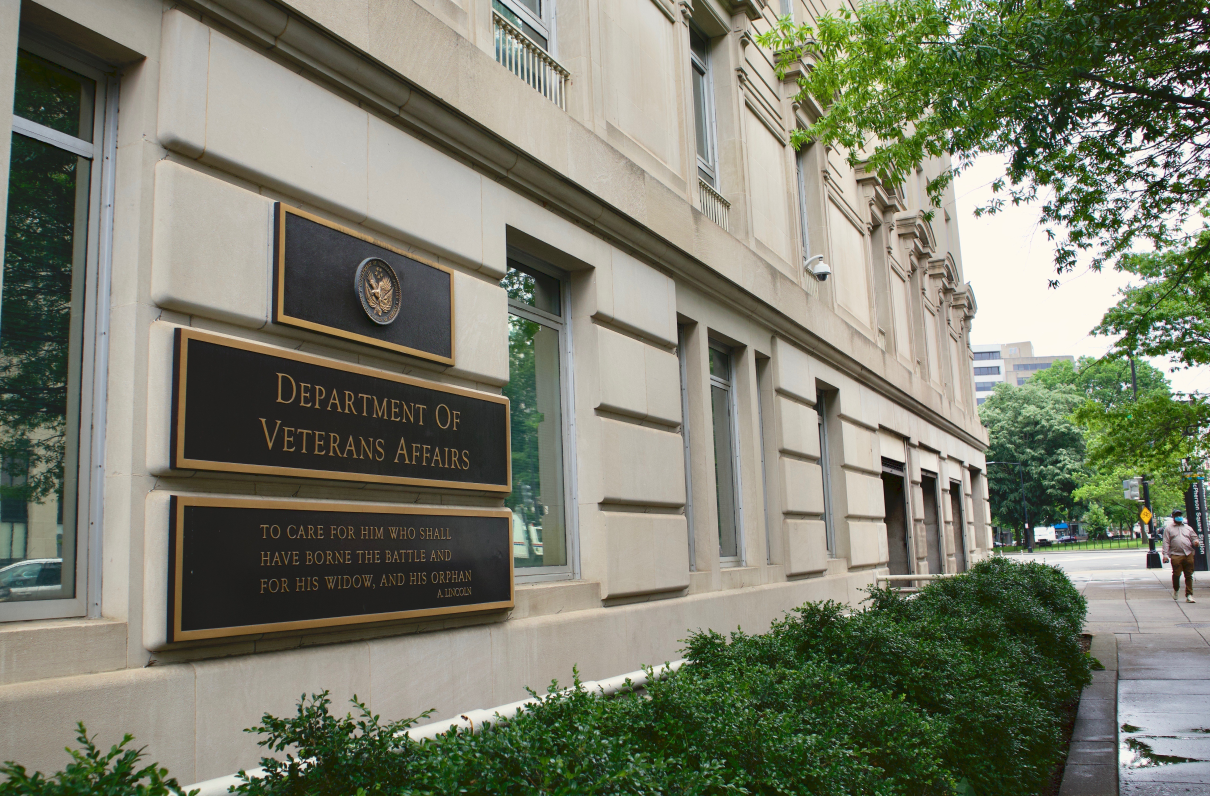
Editor's note: MOAA sent the below message to The Washington Post on Oct. 10, during the news outlet's publication of a multipart series investigating fraud within the VA disability system. The message came alongside similar condemnations by fellow veterans service organizations such as Iraq and Afghanistan Veterans of America, Disabled American Veterans, Veterans of Foreign Wars, The American Legion, and others.
To the editors of The Washington Post:
The Military Officers Association of America is proud to join the resounding chorus of fellow military and veterans advocacy organizations in condemning your newspaper’s recent pieces regarding the “exploitation” of VA benefits programs.
Fraud in all forms, especially involving service-earned benefits, is unacceptable. Isolated incidents of abuse should be ferreted out by a robust VA claims system, and scammers should be held to account. Your coverage sensationalizes these extreme cases … then proceeds to paint the rest of the veteran community as fellow con artists, eager to file for phantom illnesses and capitalize on an overly generous system. It is an offensive approach to those who answered their nation’s call and earned their benefits through personal and many times family sacrifices. By portraying veterans as opportunists exploiting the system, your reporting feeds a false and dangerous narrative that undermines the integrity of those who served and the trust that binds our nation to its defenders.
Share Your Story: The Real Cost of Service
How has military service affected your life as you have aged? How has disability compensation made a difference? Your stories can reveal what headlines miss ... and they are critical to our work in countering any threats to the VA disability system. Reach out today.
Let’s be clear: Veterans do not decide what qualifies for disability compensation. They submit their service and medical records. The Department of Veterans Affairs — not the veteran — reviews that evidence, applies the law, and decides what is or isn’t service-connected. The notion that veterans are widely “gaming” the system is not only wrong, it is insulting to the millions of men and women who have already sacrificed enough. Your report casts doubt on the “exponential” rise in VA claims since the turn of the century – claims that stem from decades of war, multiple deployments, and significant advancements in medical care leading to a better understanding of the long-term harm inflicted by everything from roadside bomb blasts to open-air burn pits. It diminishes veterans’ claims for so-called “minor afflictions” which can lead to a lifetime of pain and treatment. It confuses “disability” with “service-connected disability” and with “inability to work,” a framework originally established post-World War II that has evolved, then points toward the notion of the VA “getting to yes” on these claims as an avenue toward waste and misuse.
As advocates for those who serve and have served, we tirelessly work for our veterans. Men and women who stepped up when their nation needed them. We’ve helped expand VA access and treatment options, add “presumptive” conditions to the VA rolls to ensure veterans receive the care they need, and improve claims and records processing to speed veterans’ paths through a complicated system. For every instance of fraud highlighted in your reporting, there are countless deserving veterans who have earned their benefits and many others awaiting action on appeals or unsure where to turn for the benefits they’ve earned in defense of our nation.
Such sensational pieces only serve to widen the civilian-military divide by painting veterans as untrustworthy recipients of government handouts, rather than men and women who’ve volunteered to serve and, in many cases, carry visible and invisible wounds requiring a lifetime of care and support. Despite their wounds, they would likely make the same decisions and serve again provided they would receive the care and gratitude they earned for their service. This kind of sensational headline reporting doesn’t hold the VA accountable — it damages our all-volunteer force. It sends a message to future generations that if you serve your country and come home with scars, you’ll be treated with suspicion, not gratitude. That message is not only unjust — it’s dangerous for our national security. As a nation, we promised them support in return for their service and we owe them that support, and at MOAA, we will keep their needs front and center as part of our work on behalf of the total force.
When MOAA Speaks, Congress Listens
Learn more about MOAA’s key advocacy issues, and contact your elected officials using our messaging platform.