
By MOAA Staff
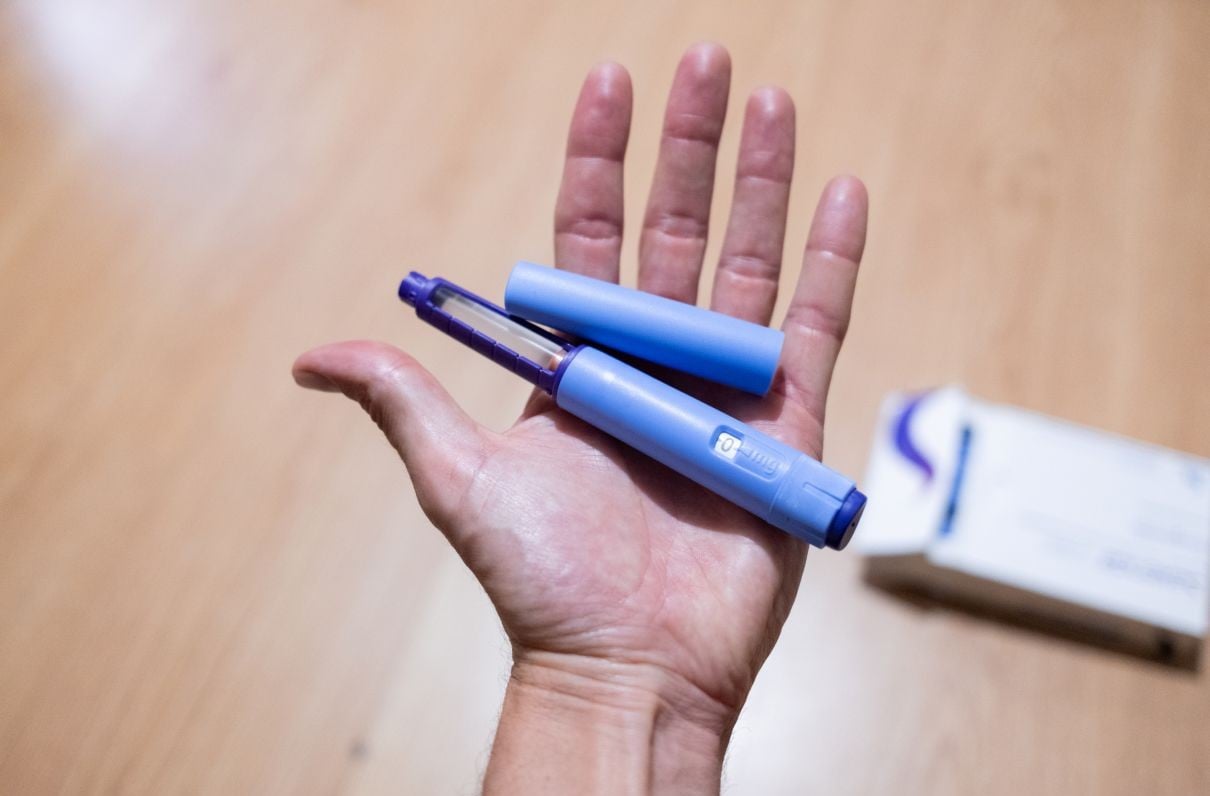
Coverage for certain GLP-1 drugs under TRICARE For Life ended Aug. 31 thanks to a Defense Health Agency (DHA) decision that threatens both the health of those taking these medications and the overall health of the TRICARE For Life (TFL) benefit.
Before the change, TFL beneficiaries who completed a rigorous prior-authorization process to validate obesity-related comorbid medical conditions could secure coverage for GLP-1 drugs approved for weight loss by the Food and Drug Administration (FDA). TRICARE did not cover these drugs for weight loss alone, but rather to improve medical conditions associated with obesity.
TRICARE Prime and Select users retain coverage for these medications under these conditions, while all beneficiaries are still covered for GLP-1 medications to treat Type 2 diabetes.
As MOAA works with DHA officials, lawmakers and their staffs, beneficiaries, and fellow advocacy groups to address this issue, we’ve requested feedback from those who’ve lost drug coverage because of the change. Hundreds have answered the call so far, but the more stories we can share, the stronger our voice becomes.
Share Your Story
MOAA’s advocacy relies on the testimony and experiences of servicemembers and families impacted by changes to TRICARE policy. Have you, or someone you know, been affected by this change in TRICARE For Life coverage? Please share your story through Legislative Action Center at the link below.
One MOAA member made his case in a commentary at Military Times, where he shared his personal story while detailing the questionable path DHA officials took to reach their decision.
“In 2001, Congress ended decades of second-class treatment for older retirees with the creation of the Senior Pharmacy Program, guaranteeing Medicare-eligible retirees the same pharmacy coverage as younger beneficiaries,” wrote Col. Derence V. Fivehouse, USAF (Ret). “For more than 20 years, that promise held. When I turned 65, nothing changed: same formulary, same co-pays, same access. Until now…This is not an abstract dispute. It is a matter of health and dignity for older veterans.”
He was far from the only TFL beneficiary to raise concerns about the future of TFL and the betrayal of losing an earned benefit:
“I just don’t understand why a person that served 21 years and deployed in wartime is suddenly being treated like a second-class citizen and any differently from those on TRICARE Prime,” wrote one.
“My biggest concern is that more drugs will be added to the list that TFL won't cover. Although I am a military veteran, I identify as a spouse primarily. I am thankful for all that Tricare has done for my family throughout the years, but we were promised health care coverage for life. If they can start cutting meds from our plan, what is to stop them from cutting the program down the road,” wrote another.
“Am I no longer entitled to equal benefits because I served for over 20 years and now, I’m just too costly to pay for? I am trying to prevent diabetes and maintain a healthy lifestyle. Please fix this egregious error and restore my right to receive equal benefits,” wrote a third.
Have Your Say
These messages – and the hundreds more like them – help MOAA put a face on what some policymakers may see as a purely financial issue. If you’ve been affected by this coverage change, send us your story today.
Keep up with the latest on this issue and others by visiting MOAA’s news page, and register at our Legislative Action Center.
Have More Questions About Your Health Care Benefit?
MOAA's TRICARE Guide answers some commonly asked questions.