
By MOAA Staff
A MOAA-supported law requiring a VA study on cancers affecting former fixed-wing aircrew members marks a step forward in the treatment of toxic-exposed veterans, “but as a nation we can’t stop there.”
That’s the message in a commentary from MOAA President and CEO Lt. Gen. Brian T. Kelly, USAF (Ret), and DAV (Disabled American Veterans) Washington Headquarters Executive Director Randy Reese published Sept. 15 by Stars and Stripes.
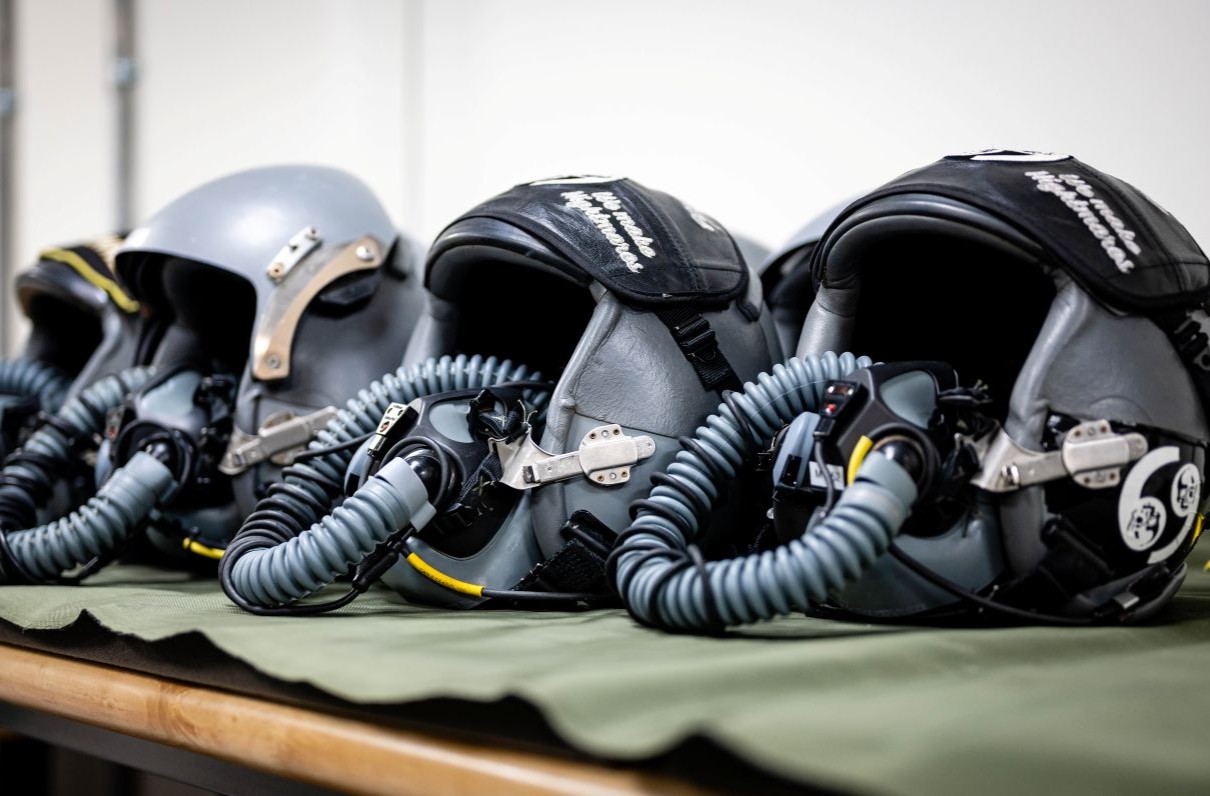
Under the Aviation Cancer Examination Study (ACES) Act, signed by the president into law Aug. 14, the National Academies of Science, Engineering, and Medicine (NASEM) will conduct a study for the VA identifying potential unhealthy exposures faced by aircrews and how those exposures could associate with higher cancer rates, more cancer-related deaths, and rates of specific cancers such as brain, lung, pancreatic, and thyroid, among others.
[RELATED: DoD Report Shows Higher Cancer Rates for Aviators, Ground Crew Members]
The commentary highlights work by MOAA and DAV on behalf of these veterans, from those exposed to Agent Orange during the Vietnam War to younger veterans sickened by burn pits in Iraq and Afghanistan.
The heart of that work: Ending the Wait for Toxic-Exposed Veterans, a report released last year outlining more than a century of such exposure, the VA’s often-delayed response to these incidents (34.1 years, on average, from exposure to full benefit access), and a series of recommendations to create a faster, fairer process for all toxic-exposed veterans – past, present, and future.
[FROM VA.GOV: The PACT Act and Your VA Benefits]
Among the recommendations, which were laid out in the commentary:
- Congressional hearings “to evaluate the successes and shortcomings” of the Sergeant First Class Heath Robinson Honoring our Promise to Address Comprehensive Toxics (PACT) Act, a series of generational benefits reforms which became law in 2022.
- The establishment of a permanent Office of Toxic Exposures and Military Hazards “to focus critical attention and resources on strengthening VA health care and benefits programs for toxic-exposed veterans.”
- The creation of a Toxic Exposure Stakeholder Advisory Committee designed to “provide veterans with a stronger voice in setting VA’s priorities and policies” for toxic-exposed veterans, their families, and their survivors.
Read the full piece, and keep up with ongoing MOAA advocacy efforts on this issue and others by registering at our Legislative Action Center.
When MOAA Speaks, Congress Listens
Learn more about MOAA’s key advocacy issues, and contact your elected officials using our messaging platform.