
This content is sponsored by MOAA Insurance Plans.
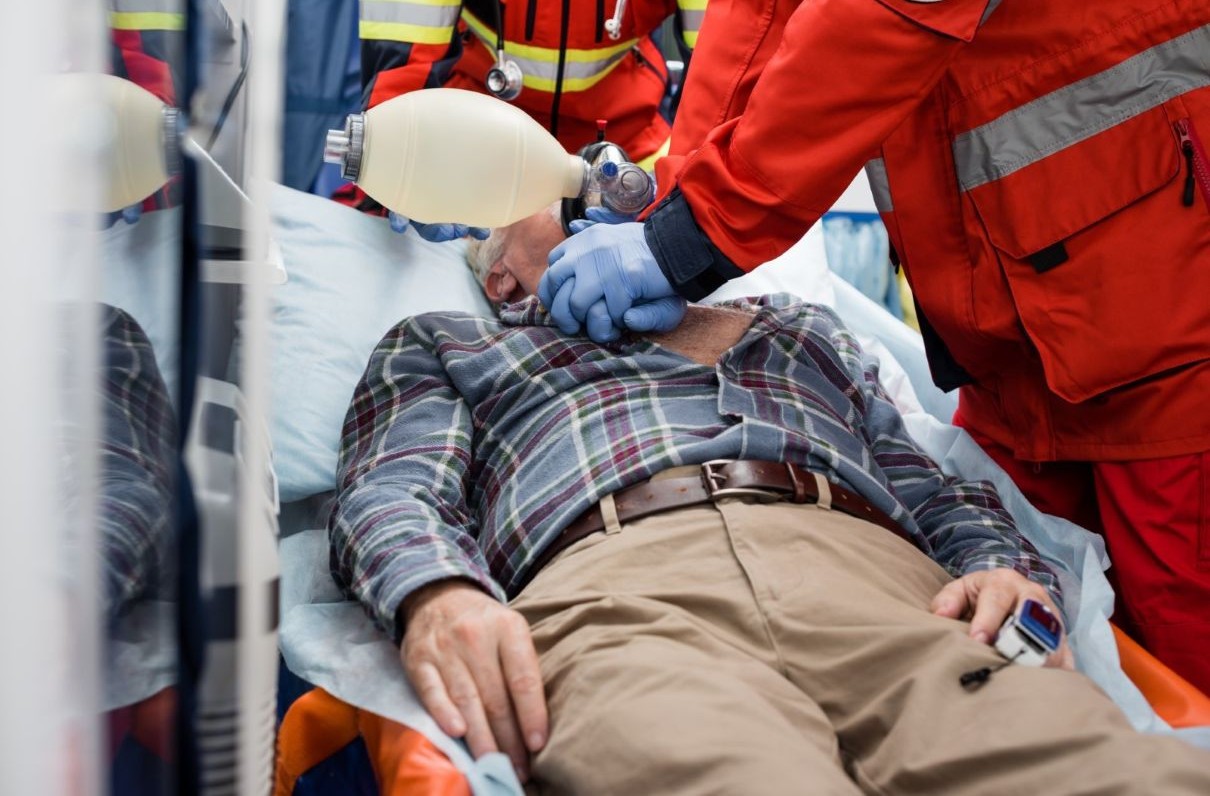
When an emergency strikes, few things matter more than getting the help you need — fast. But the moment that ambulance or airlift is called, another question starts to loom large: Who’s paying for this?
If you're relying on Medicare, you might assume everything is covered. But the truth is more complicated—and it could cost you thousands if you're not prepared.
What Medicare Does Cover for Emergency Transport
Medicare Part B provides some coverage for emergency ground ambulance transportation, but only under specific conditions: the transport must be medically necessary, and it must take you to the nearest appropriate medical facility. Air ambulance services may also be covered, but only if ground transportation can’t meet your needs and specific documentation is provided¹.
The Real Cost of Medical Transport — And the Risks of Assuming You're Covered
The price tag for emergency medical transportation can be shockingly high:
- The average cost for a ground ambulance ride in the U.S. ranges from about $1,100 to more than $3,100, with variations depending on location and services provided².
- Air ambulance services often range from $18,000 to $55,000, depending on distance and medical needs³.
- A 2022 study found that 59.4% of ground ambulance rides were out-of-network, potentially leading to surprise bills⁴.
- A 2024 YouGov survey revealed that 1 in 4 Americans have avoided calling 911 due to concerns about cost⁵.
- 88% of injuries occur within just 10 miles of home, meaning this risk isn’t limited to vacationers or long-distance travelers. It could happen right in your neighborhood⁶.
As a military retiree, you've dedicated your life to protecting others. But with rising health care costs and shrinking access to care, it's getting harder to protect yourself.
Nearly 200 rural hospitals have closed over the past two decades, and over 700 more are at risk of closing in the near future—many of which serve older and retired populations⁷. That means longer ambulance rides, fewer specialists nearby, and higher transport bills in the event of an emergency.
Meanwhile, the Medicare Hospital Insurance Trust Fund is projected to run out by 2031, raising questions about what might be cut or shifted in the coming years⁸.
A Smarter Option: MOAA + MASA Emergency Medical Transportation Coverage
More and more retirees are turning to emergency transportation protection like the coverage offered through MOAA and MASA. MASA membership helps protect against the high out-of-pocket costs traditional insurance or Medicare may not fully address.
MASA offers:
- Emergency ground and air ambulance transport
- Hospital-to-hospital transfers
- Repatriation to a hospital closer to home
- No deductibles, no claim forms, and no dollar limits for covered emergency transport services
Through MOAA, you can also access exclusive discounted rates to MASA.
Why Members Are Acting Now
Since 2012, emergency transport costs have risen significantly, with ground ambulance prices increasing by 33% and air ambulance costs by 75% to 84%, depending on the type of service⁹.
As costs rise and Medicare coverage becomes increasingly complex, many military retirees are taking action — before an emergency forces their hand.
Don’t Wait to Learn What Isn’t Covered
Medicare may help—but it doesn't guarantee full protection. If you’re a military retiree or dependent, understanding your exposure is critical. Waiting to find out what’s not covered until you’re staring down a bill is a risk no one should have to take. Learn how to protect yourself with emergency transportation coverage through MOAA Insurance:
To learn more about extended care options like short-term and long-term care insurance call MOAA’s partner, AMBA, at 1-888-698-0955. You can speak with a licensed agent who will review plan options free of charge and without obligation to purchase anything.
¹ Medicare.gov – Ambulance services coverage
² CareCredit – How Much Does an Ambulance Ride Cost?
³ Air Ambulance One – How Much Does an Air Ambulance Cost?
⁴ FAIR Health – Nearly 60 Percent of Ground Ambulance Rides Were Out of Network in 2022
⁵ YouGov Survey cited by MASA
⁶ PubMed – Close to Home: Location of Residence and Injury Risk
⁷ Center for Healthcare Quality and Payment Reform – Saving Rural Hospitals
⁸ 2024 Medicare Trustees Report
⁹ Health Care Cost Institute – Ambulance Trends over 10 Years