
Advocacy
In Their Own Words: Military Spouses on the Need to Change the Hiring Equation
An expanded tax credit would help talented professionals thrive. Here’s how.
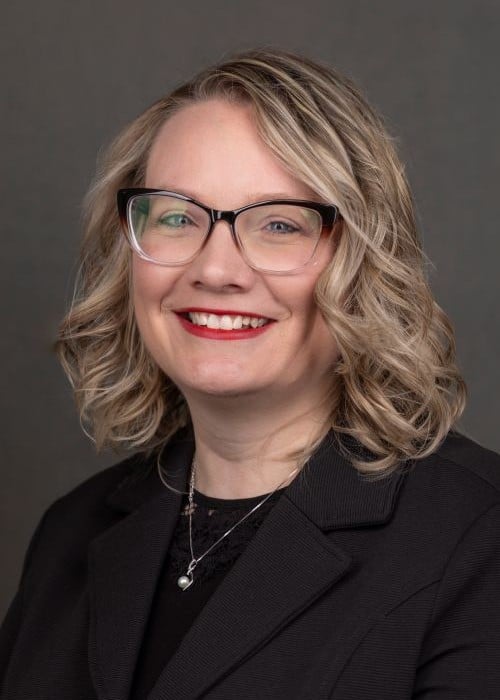
Stephanie Rose serves as MOAA's Director of Government Relations for Military Family and Survivor Policy. She leads advocacy efforts and policy development to support military families, caregivers, and survivors. With a deep commitment to improving the quality of life for those who serve and their loved ones, Stephanie works closely with stakeholders in and out of government to advance legislation and initiatives that address the unique challenges faced by military communities. Stephanie also advises MOAA’s Currently Serving Spouse Advisory Council, where she previously served from 2019 to 2021.
Stephanie previously volunteered with MOAA for six years, contributing to advocacy campaigns and serving as surviving spouse liaison for the MOAA Judge Advocate Virtual Chapter.
With eight years of experience as a data analyst, Stephanie has consistently integrated her military expertise into data-driven strategies at both USAA and Navy Federal Credit Union, enhancing processes, products, and delivering actionable insights to better serve military families. Stephanie hopes that bringing a data-driven lens into her new role will result in improved outcomes for military families.
An expanded tax credit would help talented professionals thrive. Here’s how.
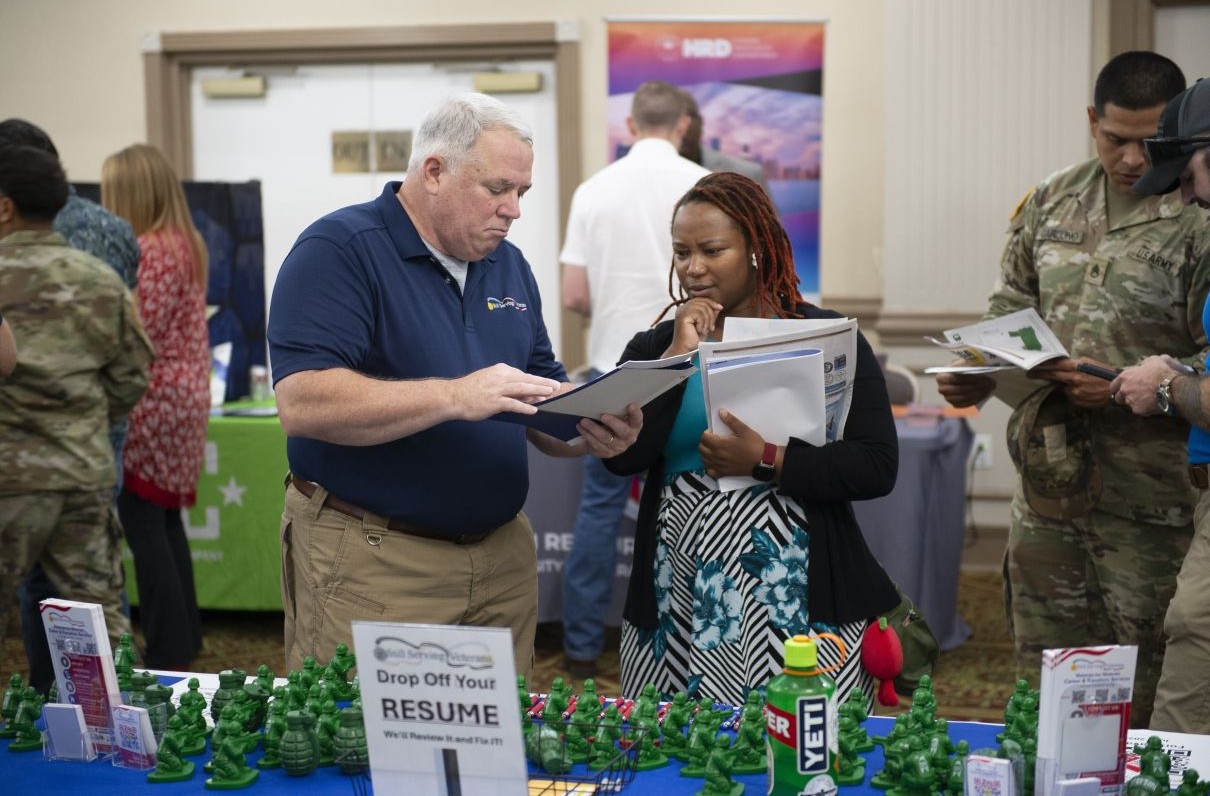
Providing tax credits to businesses that hire military spouses means working outside normal congressional channels.
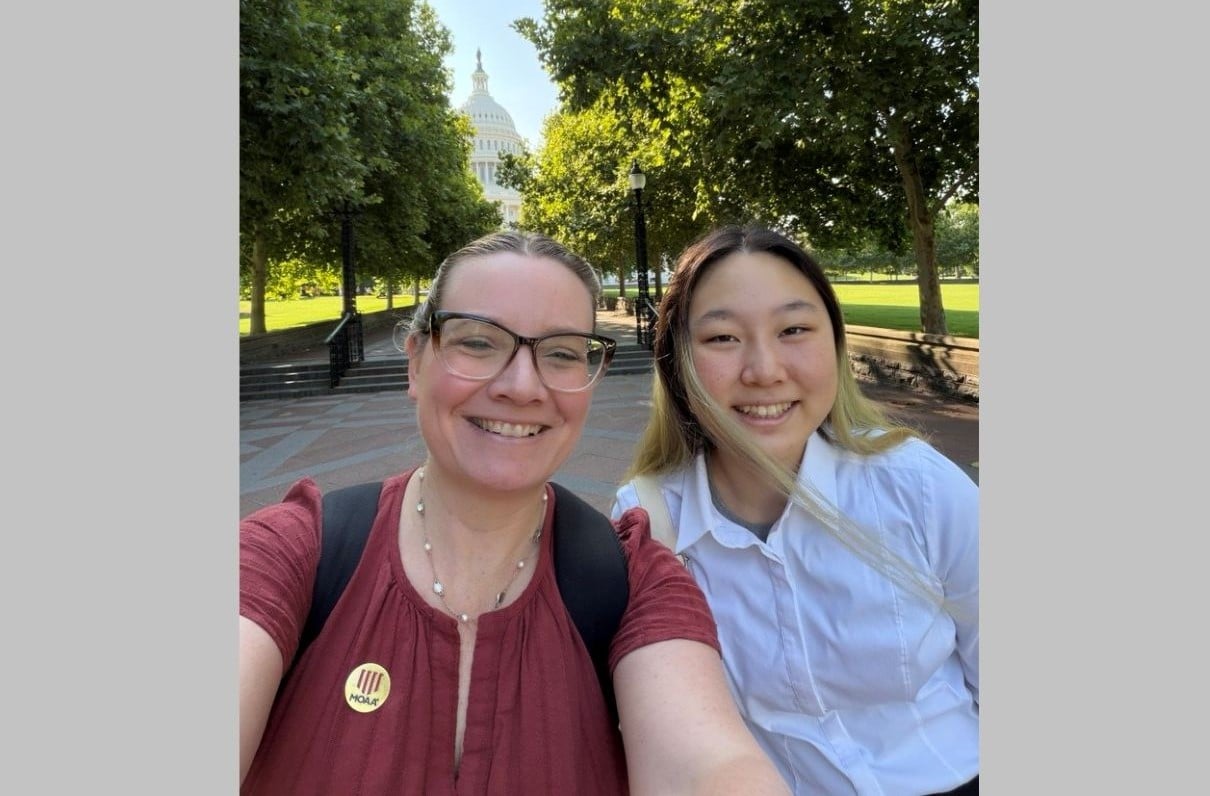
Elsa Yoon, daughter of a MOAA member, researched bipartisan legislation that could limit PCS moves.
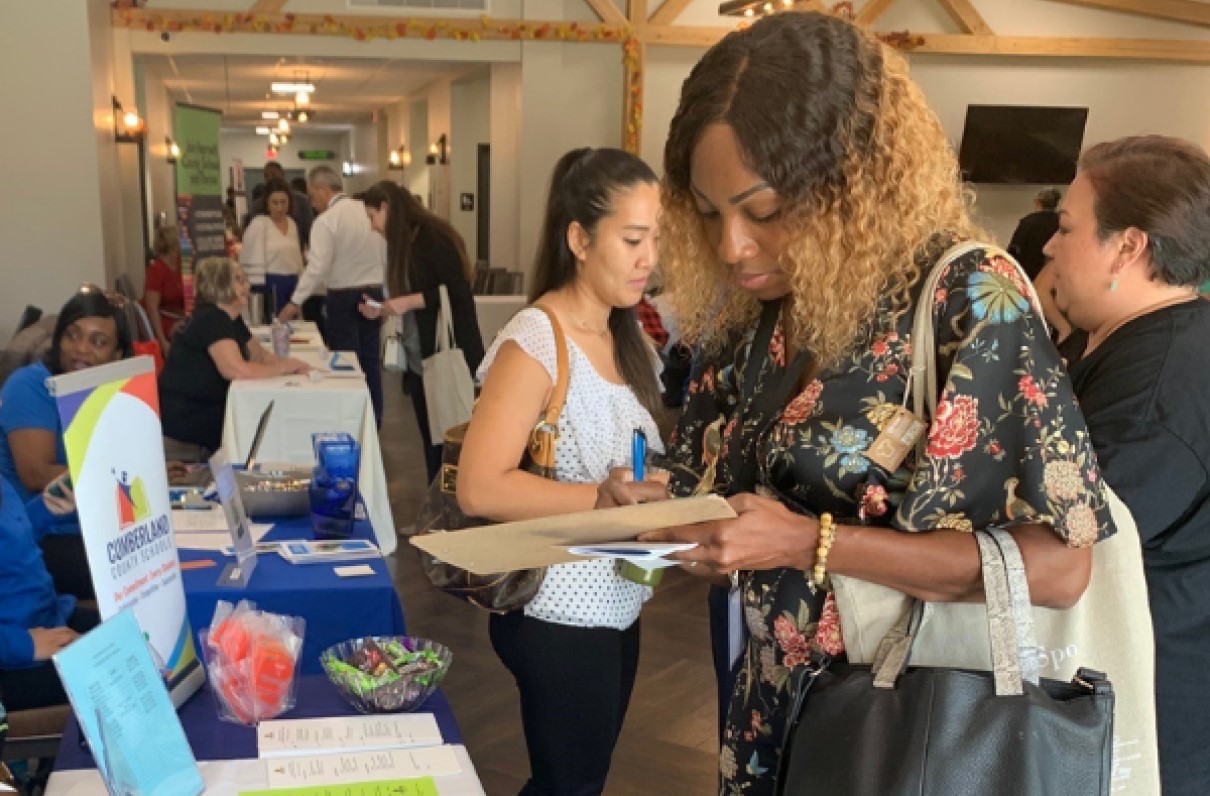
Join the fight to add military spouses to the Work Opportunity Tax Credit.

Learn why MOAA supports the GRACE for Military Survivors Act.

Ask your legislators to back a bipartisan bill to restart (and improve) the Work Opportunity Tax Credit.