
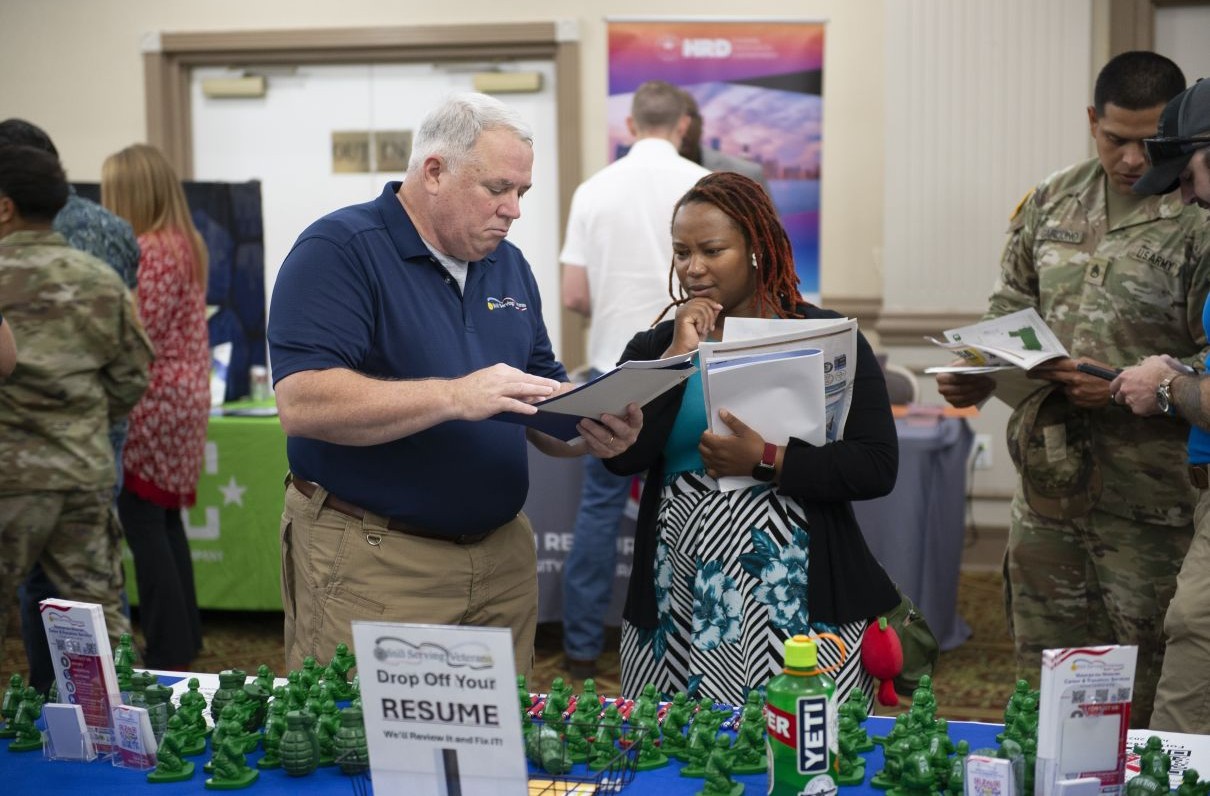
 Many MOAA-backed pieces of legislation designed to improve quality of life for military families have become law through the annual National Defense Authorization Act (NDAA). But that path isn’t available for our work to create a new line of support for military spouse employment.
Many people are surprised to learn that adding military spouses to the Work Opportunity Tax Credit (WOTC) cannot be accomplished through the NDAA. Instead, the change must be achieved through tax legislation, which is under the jurisdiction of the House Committee on Ways and Means and the Senate Committee on Finance.
[TAKE ACTION: Ask Your Lawmakers to Support the Improve and Enhance the Work Opportunity Tax Credit Act]
WOTC is a tax credit, and any legislation that creates, modifies, or reauthorizes a tax credit is considered tax legislation. This includes:
- The Military Spouse Hiring Act (H.R.2033 | S.1027), which would add military spouses as an eligible group under the WOTC.
- The Improve and Enhance the Work Opportunity Tax Credit Act (H.R. 6231 | S. 3265), which would reauthorize the now-expired WOTC (a move that would benefit veterans, who are already a WOTC group), increase the amount of the tax credit, and add military spouses as an eligible group.
The NDAA falls under the jurisdiction of the House and Senate Armed Services committees. While these committees are responsible for many military personnel and family issues, they do not have authority over tax policy. Consequently, adding military spouses to the WOTC cannot be accomplished through the NDAA.
Instead, this reauthorization and modification to the tax credit must be included in what is called a “tax title” package. These packages arise infrequently, and they must originate in the House.
Why Does This Matter?
The lawmakers MOAA typically works with on military quality-of-life issues are not necessarily the same ones deciding whether to reauthorize the WOTC or amend it to include military spouses.
There are also fewer legislative opportunities to advance WOTC-related bills. The last tax title-related legislation that became law was part of the One Big Beautiful Bill Act, which passed in July 2025.
[SUMMER AIA 2026: Ask Congress to Use This Proven Employment Tool to Help Military Families]
This is why continued education and advocacy are vital to MOAA’s mission on the Hill. Members of Congress who serve on tax-writing committees need to understand how unemployment affects veterans, military spouses, and currently serving families. When the next tax package starts to take shape, we need to ensure WOTC and the needs of military families are a part of the conversation from the very beginning.
How You Can Help
Personal stories are one of the most effective advocacy tools available.
If you are a veteran, military spouse, or member of a currently serving family negatively impacted by unemployment because of military service, share your story with your lawmakers by personalizing this message. Explain how employment barriers have impacted your family and ask them to support the Improve and Enhance the Work Opportunity Tax Credit Act.
By sharing real-world experiences, you can help policymakers better understand why reauthorizing WOTC and expanding eligibility to military spouses is so critical.
Take action and personalize your message today.
When MOAA Speaks, Congress Listens
Learn more about MOAA’s key advocacy issues, and contact your elected officials using our messaging platform.