
This content is sponsored by Sierra Hotel Financial.
I grew up in a lower-middle-class family with seven siblings. My earliest financial education was mostly practical survival: make enough to get by, be grateful for food and shelter, use credit when necessary, and always make at least the minimum payment. Those lessons helped a large family make ends meet, but they were not a path to building wealth.
When I entered the Marine Corps in the early 1990s, there was very little education to fill that gap. Financial resources for service members are better today, but in my view, they still fall short of providing the kind of financial literacy and planning young service members need.
Some of the first financial guidance I remember receiving was simply to open a bank account with a military service affiliated bank. There was nothing wrong with that advice or the institution. The larger problem was that much of the financial education available to us seemed connected to a financial product or institution rather than beginning with basic financial principles.
That pattern continued throughout my career.
At various points, private financial companies were brought in to provide what appeared to be financial education. Often, education eventually led back to a product: a bank account, an investment, or an insurance policy. I remember being encouraged to buy life insurance while I was young because it was inexpensive, rather than because anyone had first determined whether I actually had an insurable need.
One particularly vivid example involved a mutual insurance company with strong ties to the Navy and Marine Corps. Newly commissioned officers could obtain an interest-free $3,000 loan to help purchase uniforms if they started a term life insurance policy. The loan was then repaid automatically through a payroll allotment. As a young officer needing uniforms, that was an attractive proposition. In hindsight, however, the financial product and the incentive were driving the decision before any meaningful financial planning had taken place.
Retirement planning was not much different. At the time, the government provided no matching contribution to the Thrift Savings Plan. There was little incentive and, in my experience, little encouragement to contribute meaningfully. Eventually, some of the best financial advice I received came not from the financial industry, but from another service member who encouraged me to open 529 plans for my children and a Roth IRA for retirement.
That advice helped. I began investing and made progress, but I was still nowhere near consistently saving the percentage of income that I now understand is necessary for long-term wealth building.
Later, I believed I was finally getting more comprehensive help when I met with someone presented to me as a financial advisor. A financial plan was prepared, but much of the discussion again was centered on products. One recommendation was to move investments I held in a Roth IRA into a variable annuity.
For my circumstances, that recommendation made little sense. The Roth IRA already provided tax-free qualified growth, while the variable annuity added another layer of cost and complexity and generated compensation for the person selling it. I ultimately came to believe I would have been better served by never receiving that recommendation in the first place.
For 30 years in the Marine Corps, my attention was where most service members’ attention is: accomplishing the mission, taking care of my Marines, and spending time with my family when I could. I did not expect to become an expert in every area of personal finance. I did expect that when I sought financial advice, it would begin with my circumstances, my family, my military benefits, and my best interests.
Too often, that was not my experience.
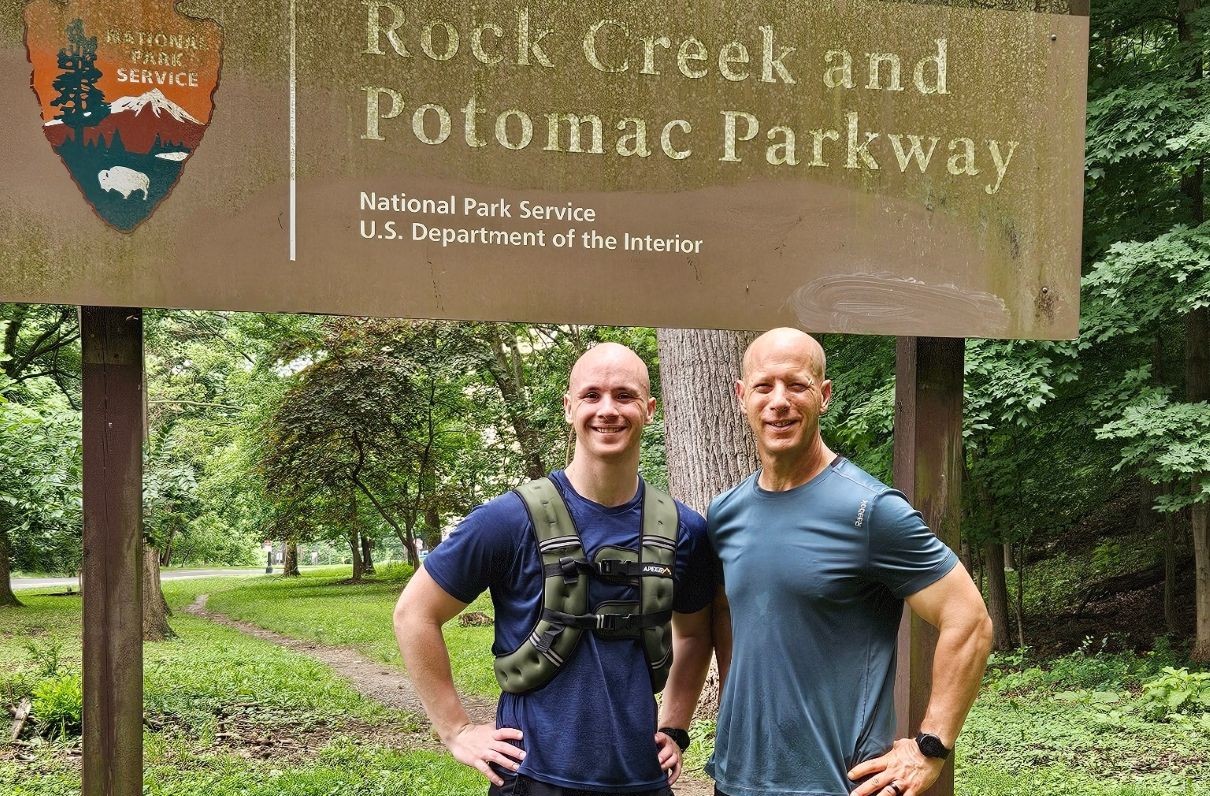
After my military career, I had a passion, forged by a life-long experience of product-driven advice, to instead help military members and veterans with sound financial advice. I joined a large financial organization where my son was building his career as a financial planner. I entered the profession with a simple objective, to provide military members and veterans with the kind of financial advice I had expected throughout my own career, which was competent advice, delivered with integrity, by someone who understood military life and was obligated to put the client first.
It did not take long for my son and me to recognize a familiar conflict. The business model depended heavily on the sale of commission-based financial products.
Again, the products themselves were not the problem. Insurance, investments and other financial products are important tools. The problem occurs when the product begins to drive the advice rather than the client’s financial needs driving the selection of the product.
Ultimately, the answer became fairly straightforward. If we wanted to provide financial advice the way we believed it should be provided, we would have to build the firm ourselves.
Together, we founded Sierra Hotel Financial, an independent, fee-only fiduciary financial planning firm. Our goal was to build a firm that addressed some of the problems we had seen in the industry while also addressing the specific financial circumstances of military members, veterans and their families.
One of those issues was how advisors were compensated. When an advisor is limited to a finite number of products and compensation depends on selling those products, it can create an unnecessary conflict between providing advice and earning a living. We wanted to remove that conflict. We compensate our advisors for focusing on sound planning, competent investment management and the client’s best interest, not on selling a particular financial product.
We also wanted to address another problem we saw in the industry: advisor turnover. Financial planning is a relationship business, and it takes time for an advisor to understand a family, their history, their goals and the financial decisions they will face over a lifetime. Yet Cerulli Associates estimates that nearly 71% of rookie advisors leave the industry within their first five years.
Our objective is to provide our advisors with the training, standards, and career path necessary to build a career here. Our goal is to train and retain advisors who have lived the military experience, believe in the mission, and want to spend their careers building long-term relationships with military and veteran families.
Lastly, we are building tools, procedures and research specifically around military and veteran finances. Military retirement, the TSP, VA benefits, survivor benefits, military health care, frequent moves and transitions between military and civilian employment can create financial circumstances that are not typical of the general population. Our advisors should not have to learn those issues for the first time when a veteran walks through the door. Understanding them is part of the job.
These are the things I wish had been part of the financial guidance I received during my own military career, and they are the principles we are building Sierra Hotel Financial around today.
So, if you’re looking for financial guidance from a fellow veteran, built around you, not around a product, learn more about Sierra Hotel Financial and start a conversation with us.
EMAIL: JoeTurkal@SierraHotelFinancial.com
WEBSITE: SierraHotelFinancial.com