
(Sponsored by PC Matic)
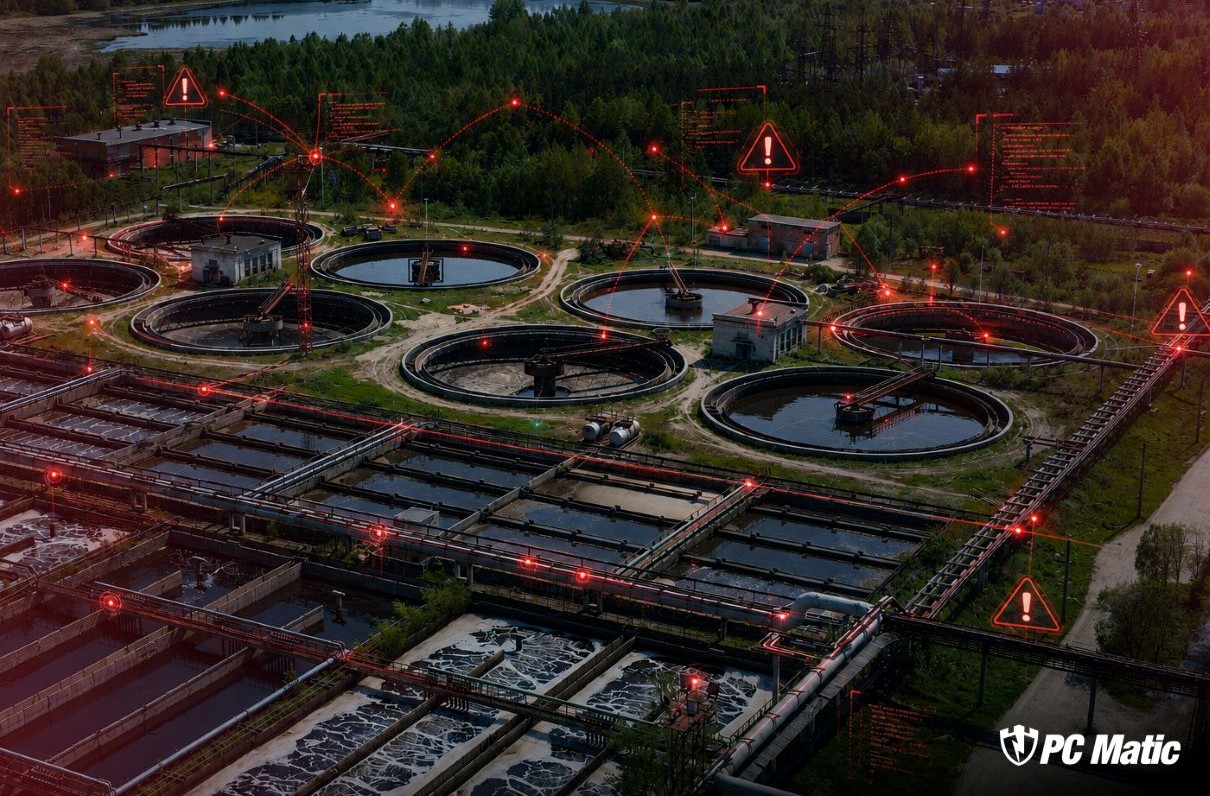
Recent cyberattacks against more than 30 municipal water treatment facilities in Minnesota are bringing light to the basic security holes cyber criminals are exploiting to attack the critical infrastructures on American soil. U.S. intelligence agencies suspect Iranian state-sponsored threat actors carried out the coordinated operation.
For military officers, this incident is a stark reminder that critical domestic infrastructure is actively targeted by foreign adversaries. Understanding how these attacks happen and why is vital for operational readiness and homeland defense.
How the Attack Occurred
The threat actors targeted industrial control devices known as Programmable Logic Controllers (PLCs). PLCs act as digital switches that automatically control water pumps, open valves, and monitor tank pressure.
The attackers did not need advanced cyber weapons to gain access. Instead, they exploited simple, high-visibility vulnerabilities such as internet exposure, weak credentials, and poor network control.
Once inside, the hackers disrupted remote monitoring systems. Public works staff had to react quickly to isolate the compromised hardware and manage local water supplies manually.
Strategic Implications for Military Leadership
This attack was not designed to cause massive physical destruction. Instead, it was an asymmetric campaign aimed at psychological impact. Foreign adversaries like Iran utilize these low-cost operations to achieve three primary military goals:
- Public Anxiety: Disrupting basic municipal services creates fear and lowers public confidence in government stability.
- Resource Diversion: Domestic cyber threats force state and federal agencies to focus resources on local defense rather than forward-deployed missions.
- Defense Probing: Small-scale intrusions allow enemies to test how fast military, state, and federal teams respond to infrastructure events.
Operational Takeaways
Cybersecurity is no longer just an IT responsibility; it is a core element of force protection. To defend defense-critical infrastructure and military installations, leaders must enforce key operational habits:
- Isolate Control Systems: Keep operational technology (OT) completely disconnected from the public internet.
- Enforce Cyber Hygiene: Require multifactor authentication, remove default passwords, patch known security vulnerabilities, and use proactive cyber protection.
- Maintain Manual Resilience: Technology can fail or be compromised. Units and facility managers must regularly practice manual overrides to keep essential operations running without digital automation.
Securing the home front requires treating critical civil utilities with the same tactical discipline used on the battlefield.
Stay safe out there.
– The PC Matic Team