
This article by Riley Ceder originally appeared on Military Times, the nation's largest independent newsroom dedicated to covering the military and veteran community. It contains discussion of suicide: If you or someone you know is in crisis, contact the Veterans Crisis Line at 988 (press 1) or via www.veteranscrisisline.net.
House lawmakers released key findings Tuesday from an investigation into the Navy’s response to aviators dealing with flight-related brain injuries.
The House Committee on Oversight and Government Reform said the Navy has not done enough to research and mitigate potential neurological damage for Navy pilots despite being aware of documented mental health concerns and suicides within the F/A-18 community.
“The result is a system that is well-equipped to treat injuries once they are diagnosed, but poorly structured to understand or prevent risks developing over time,” the investigation said. “In effect, despite internal warnings and external reporting, the Navy has not taken the steps necessary to determine whether it is systematically exposing its aviators to long-term brain injury.”
The investigation, which began Feb. 6, 2025, was sparked by a New York Times report about a confidential Navy program studying whether Navy pilots were experiencing debilitating brain injuries from flying.
[RELATED: Senators Question Whether Military Pharmacy Program Is the Best Deal for Beneficiaries]
The program, called Project Odin’s Eye, studied pilots who flew the F/A-18 Super Hornet, according to the report.
Several of those aviators died by suicide between June 2023 and December 2024, when the article was published.
The investigation found that some aviators reportedly experienced memory loss, depression and anxiety, which the committee said may be associated with their time as naval aviators.
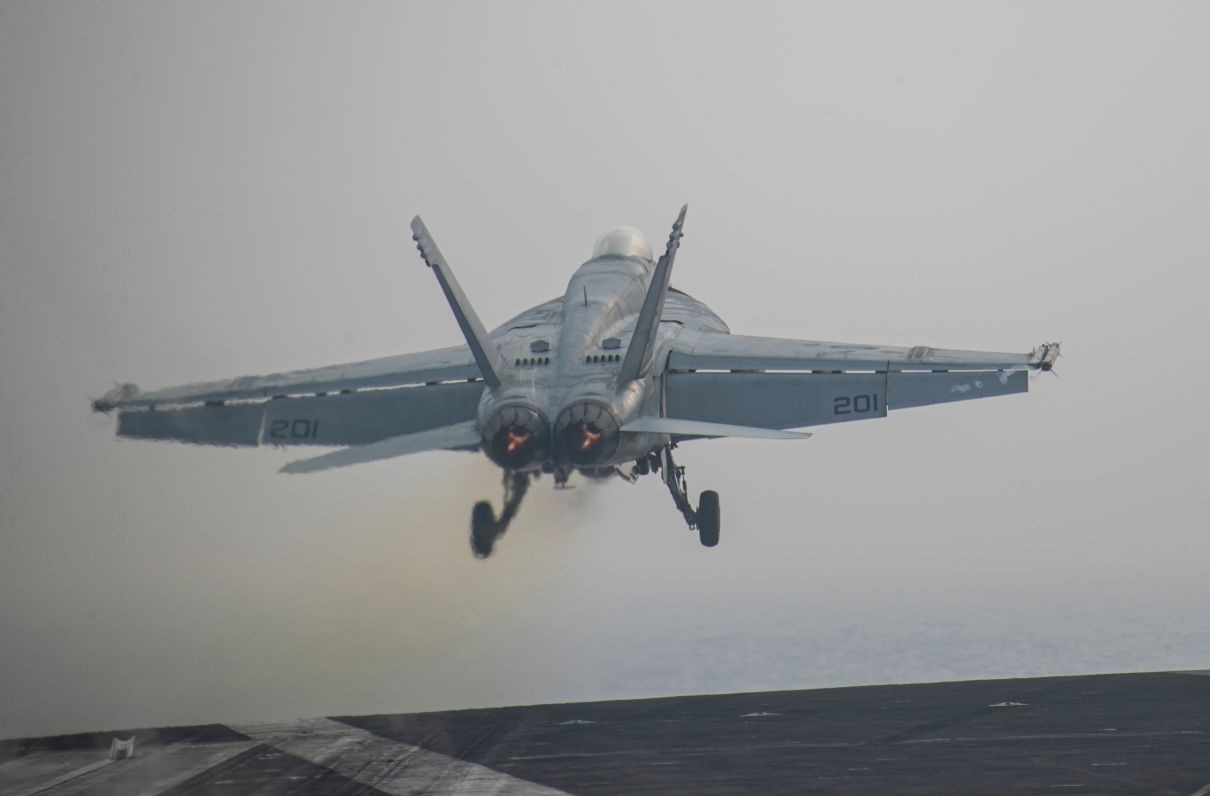
Lawmakers said that brain injuries may be the result of extreme gravitational forces that occur during carrier catapult launches or during aerial maneuvers.
The investigation also found that the Navy was aware of issues with its pilots, including suicides, but had not launched a formal investigation into whether underlying neurological causes could be contributing factors.
[RELATED: Omnibus Legislation May Offer a Lifeline for Some Veterans]
The Navy had also not identified a way to properly research on the long-term effects of potential brain injuries in its pilots.
“Programs like ‘Project Odin’s Eye,’ focus on screening and performance optimization in select communities but are not structured as formal research studies and do not generate population wide, cumulative exposure,” the report said.
The Navy itself described the program, lawmakers said, as an effort to optimize performance for individuals working in maritime special operations that was not created for long-term research into brain injuries or to assess risks.
According to the investigation, naval aviators were not the program’s primary focus.
[RELATED: 4 Priorities for a Stronger TRICARE Pharmacy Program]
The effort was also conducted without the awareness of top Navy officials, the report said.
Leaders in the Naval aviation community did not appear to know the program existed before the New York Times inquired about it for its December 2024 article.
Current policies allow flight surgeons and neurocognitive testing to diagnose head trauma and provide pilots with a network of mental health providers to help address psychological issues.
These resources are adept at assessing identifiable acute injuries but not at tracking long-term brain damage, lawmakers found.
[RELATED: Policy Change Means More Guard, Reserve Members Can Access Transitional Health Care]
The culture within the Navy aviation community is not conducive to addressing concerns over long-term mental health either.
The investigation said that pilots are less inclined to seek mental health counseling or medical assistance because they feel doing so may jeopardize their careers or flight status.
In April 2026, the Navy released its own findings of a cohort study that researched the neurological effects of flying among 8,500 active-duty aviators. The study found no statistically significant increase in diagnosed neurological conditions among tactical aviators exposed to high-G forces compared with their peers.
But the House Committee found that the study had limitations because it focused on a relatively young, active-duty population and did not account for conditions that could emerge later in life or after service.
The service still doesn’t have the framework in place, the report said, to analyze long-term risks of neurological degradation among pilots.
To address this, lawmakers recommended that Congress institute a longitudinal study looking into cumulative neurological damage in Naval aviators.
Lawmakers also recommended that the Defense Department create a specific brain health program that focuses solely on naval aviators and on shifting the culture so that aviators feel more emboldened to seek help without fear of losing their jobs or ruining their careers.
Other articles by Military Times:
Coasties’ photos used on stamps honoring Coast Guard Academy’s 150th
Tanker fleet modernization will continue for decades, US Air Force officials say
Study finds ‘forever chemicals’ levels higher in younger vets than general population

Resources for Currently Serving Officers
MOAA can help you succeed in your military career and beyond.