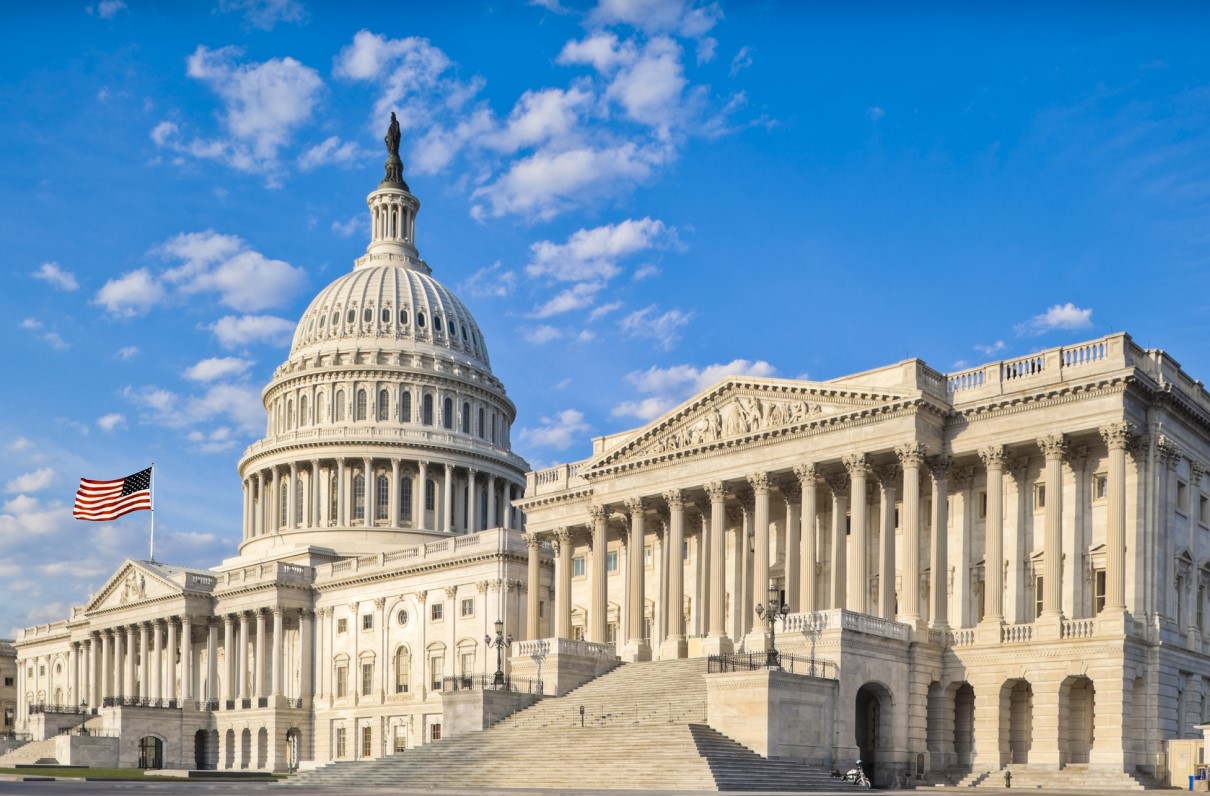
Along with new and returning faces, the 120th Congress will bring several key changes when it convenes on Jan. 3, 2027:
- Party control of both chambers will change hands. Democrats had claimed 254 House seats in the new session as of Nov. 10, per The Associated Press, with Republicans holding 165 and 16 races yet to be called. In the Senate, Democrats hold 54 seats (including two independents who caucus with them) to the Republicans’ 44, with races pending in Alaska and Mississippi.
- The number of veterans in Congress continues to decline. Military Times anticipates at least 57 veterans will serve in the 120th Congress, with many races involving veterans too close to call. The nonprofit group With Honor says at least 79 veterans will serve on the Hill in the new session. Even if veterans win all their undecided races, they would make up no more than 15% of Congress, down from about 19% in the 119th session and the lowest percentage since the decline began in the 1970s.
- Key lawmakers will not return. Several members of Congress who have been active on issues affecting service-earned pay and benefits, many of whom have been MOAA champions, are leaving through retirement or defeat at the ballot box.
[RELATED: What Does the Dec. 11 Budget Deadline Mean for Military Pay?]
With the 119th Congress drawing to a close, what else lies ahead as 2027 arrives?
The Start of a New Congress: Why It Matters
The 120th Congress will bring more than new faces. Just as significant, the legislative slate will be wiped clean: Any bill not enacted before the 119th Congress ends will need to be reintroduced in the new session.
One of MOAA’s first priorities will be to identify champions to introduce and carry its legislative goals forward. With some of its longest-standing champions not returning for the 120th, deepening existing relationships with returning lawmakers and building new ones will be vital to the early stages of MOAA’s advocacy strategy.
Finding new champions starts with veterans in Congress. Elected officials who have served share a direct connection with the uniformed services and veteran communities MOAA represents, which makes them a natural first stop in that search. This is one reason a shrinking number of veterans in Congress carries so much weight: Having fewer lawmakers who have worn the uniform can make it more challenging to build support across both parties and both chambers. That matters because MOAA most often sees success when its priorities have broad support from both sides of the aisle.
[RELATED: House and Senate NDAA Versions Differ on Your 2027 Raise]
What’s Next
Little time remains before the 119th Congress is scheduled to adjourn for the final time. The House plans to wrap up Dec. 17 and the Senate on Dec. 18, and both calendars are packed:
- Government funding. Lawmakers still need to pass appropriations for the 2027 fiscal year. The continuing resolution keeping the government running will expire Dec. 11, so Congress must act to avoid a shutdown during the holiday season – one that could bring furloughs, hiring freezes, and missed paychecks.
- The annual defense policy bill. The National Defense Authorization Act, one of MOAA’s main legislative vehicles for currently serving- and family-related priorities, still awaits final passage.
- Major veterans legislation. Unfinished business includes the Take Care of America’s Veterans Act (H.R. 9237/S. 4744) and the discharge petition for the Major Richard Star Act (H.R. 2102).
MOAA will continue its advocacy until the final moments of the 119th, working to advance its top legislative priorities while laying the groundwork for the next Congress.
The opening days of the 120th will be no less busy, bringing a rush of activity as lawmakers and their staff set up their offices. Amid that activity, MOAA’s national advocacy team will engage with those offices to establish relationships, gauge legislative interest in MOAA’s top priorities, and identify potential champions for those issues.
Stay tuned for updates as MOAA’s advocacy agenda for the 120th Congress takes shape.
When MOAA Speaks, Congress Listens
Learn more about MOAA’s key advocacy issues, and contact your elected officials using our messaging platform.