
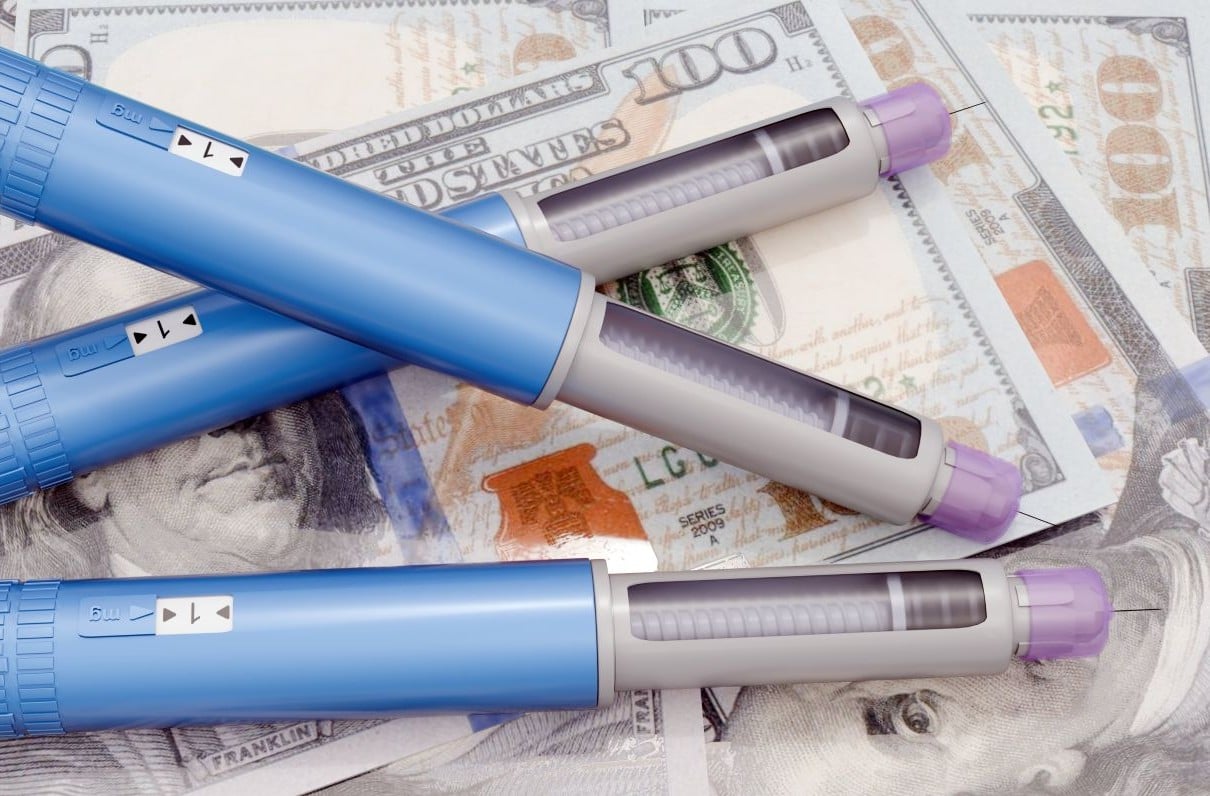
A nationwide Medicare program designed to expand access to GLP-1 medications will make the drugs available at a steep discount to eligible beneficiaries – which will not include the vast majority of TRICARE For Life (TFL) users.
The Medicare GLP-1 Bridge Program is set to launch July 1 and run through the end of 2027. Participants will have a $50 copay for covered GLP-1 medications, but only those with Medicare Part D (pharmacy) coverage are eligible to participate. Most TFL participants get their drug coverage via the TRICARE Pharmacy program rather than a Part D plan, so they will not be eligible.
[RELATED: Medicare Report Estimates Future Part B Premiums]
TFL beneficiaries have been understandably frustrated about being left out of efforts to improve access to GLP-1s and the health of Medicare-eligible patients. This move comes less than a year after an Aug. 31, 2025, decision to revoke GLP-1 coverage for TFL beneficiaries except for those who meet pre-authorization criteria for GLP-1s approved to control Type 2 diabetes. TRICARE Prime and Select beneficiaries remain eligible for GLP-1 coverage for weight-related medical conditions.
Protecting Your Coverage
Even before the August decision took effect, MOAA began its efforts to restore this coverage – not only to allow these beneficiaries to continue their effective, doctor-prescribed treatment plans without unexpected costs, but to ensure the TRICARE pharmacy program does not become a two-tracked system, with separate formularies for TRICARE and TFL users.
[TAKE ACTION: Ask Your Lawmakers to Reinstate TRICARE for Life Coverage of GLP-1 Medications]
This coverage decision appears even more out of step when compared with the Medicare Bridge program and another upcoming Medicare initiative -- the BALANCE Model, which stands for Better Approaches to Lifestyle and Nutrition for Comprehensive hEalth, aims to increase access to select GLP-1 medications and healthy lifestyle interventions to help people with Medicare and Medicaid improve their health.
Under BALANCE, the Centers for Medicare and Medicaid Services (CMS) will negotiate directly with GLP-1 manufacturers on behalf of state Medicaid agencies and Medicare Part D plans to lower the cost of these drugs, making them more accessible to people with Medicare and Medicaid. Participation in BALANCE is voluntary for manufacturers, state Medicaid agencies, and Part D plans. As CMS is still working to implement the BALANCE program, it is unclear whether any TFL participants would be eligible based on Part D requirements or other factors.
Stay Involved With MOAA
Protecting the value of the uniformed services health care benefit remains a keystone of MOAA’s advocacy mission. Expect more news in the coming weeks on this issue. In the meantime:
- Share Your Story: Hundreds of beneficiaries have reached out to MOAA with their GLP-1 coverage challenges. These messages make a difference in our work on Capitol Hill.
- Add Your Voice: Ask your lawmakers to reverse the 2025 coverage change and restore the full TRICARE pharmacy benefit to TFL users.
- Stay Informed: Bookmark MOAA’s advocacy news page for the latest on this issue and others, and be sure you’ve registered at our Legislative Action Center so you can receive updates from our advocacy team.
When MOAA Speaks, Congress Listens
Learn more about MOAA’s key advocacy issues, and contact your elected officials using our messaging platform.